Tornadoes, Sugar Beets and Small-Town History at the Belmond Historical Museum
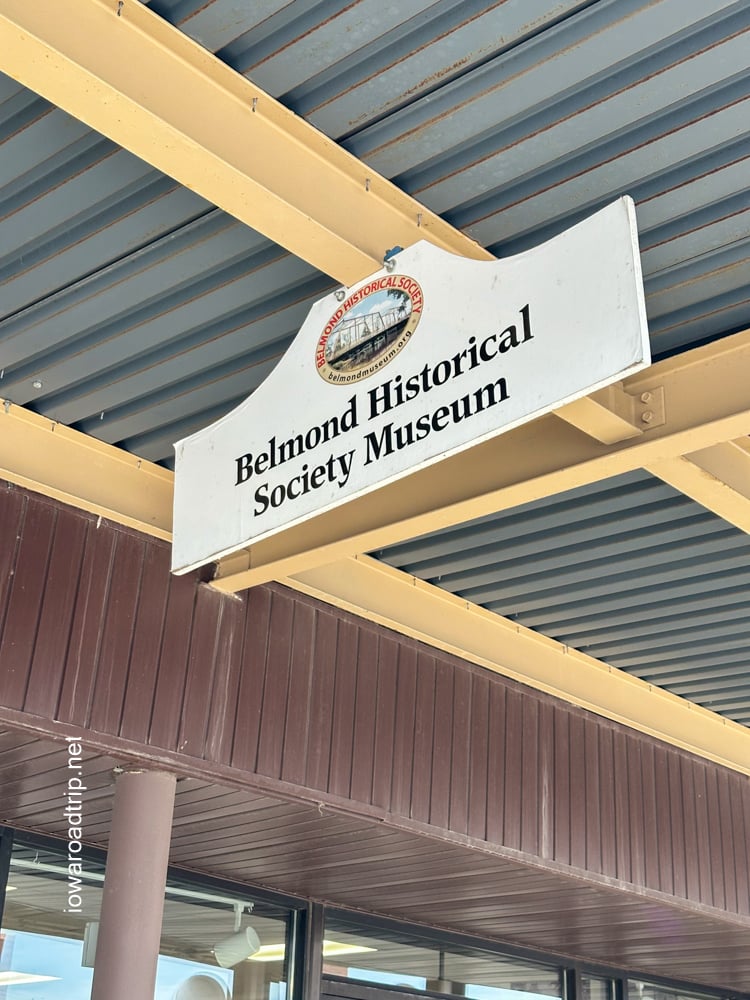
The Belmond Historical Museum tells the story of this north-central Iowa community through the industries, businesses and events that shaped it.
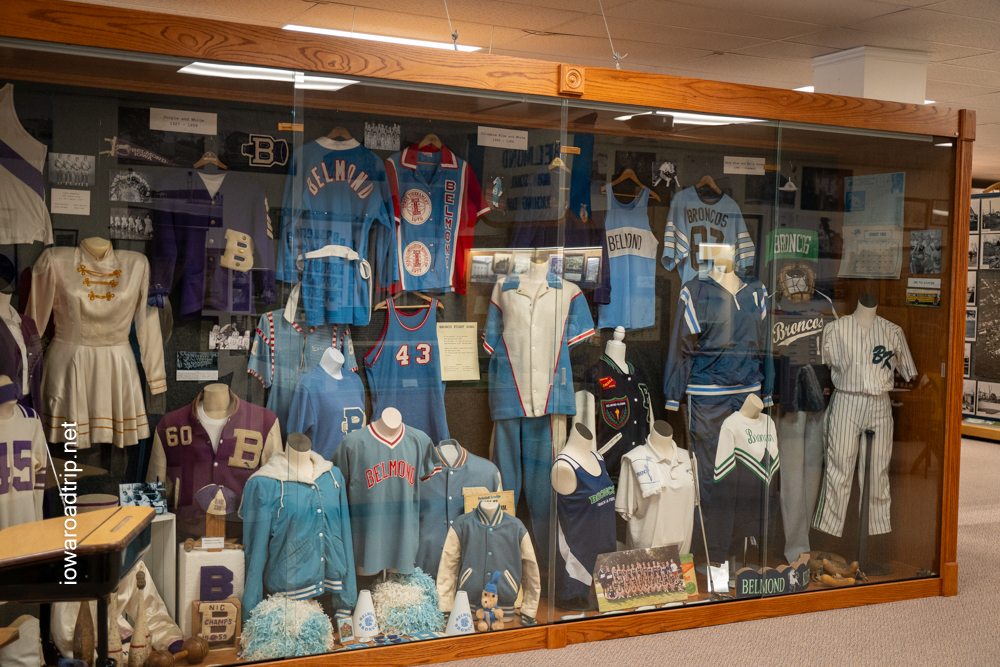
Its exhibits cover local schools, agriculture, household life, medicine, military service and the businesses that once lined Main Street. Some of the museum’s most distinctive stories focus on Belmond’s former sugar beet industry, the railroad and the devastating 1966 tornado.
Thousands of historic photographs, digitized newspapers and family records also make the museum a useful stop for anyone researching Belmond family history.
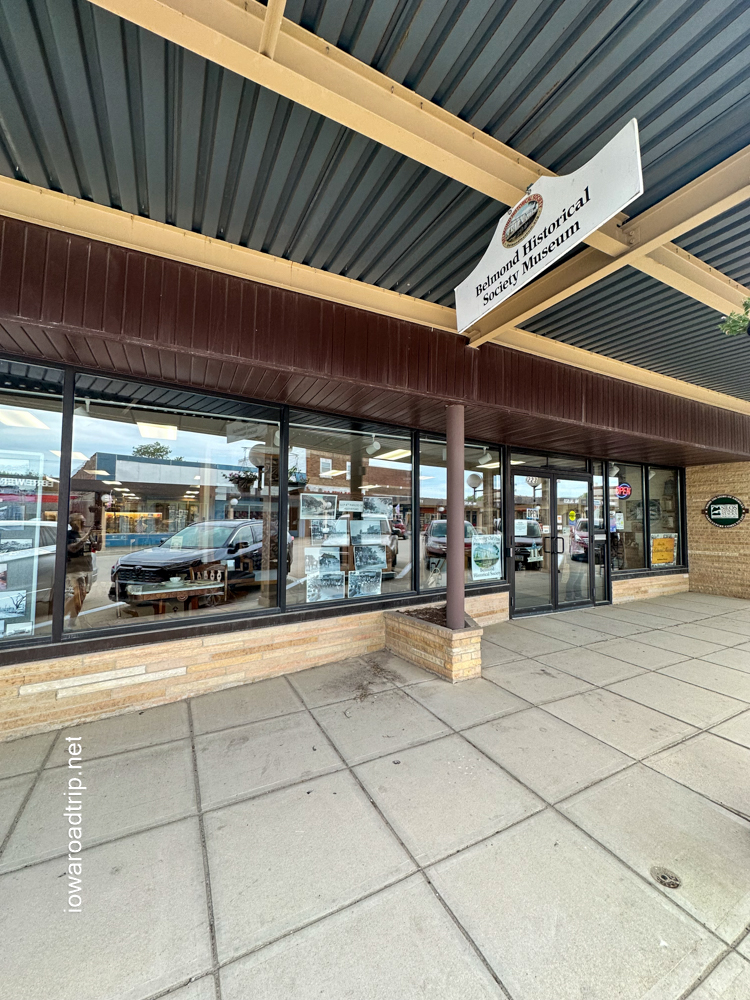
Belmond Historical Museum Visitor Information
Address: 223 E. Main Street, Belmond, Iowa
Phone: 515-571-3264
Admission: Free; donations are accepted
Hours: Monday, Wednesday and Friday from 9 a.m. to noon
Weekend visits: Available by appointment
Best for: Small-town history, tornado history, agriculture, railroads and genealogy
Allow: About one hour
Accessibility: The museum is listed as accessible
Restrooms: Available inside
Public hours are limited, so call ahead if you’re traveling from a distance or hoping to visit on a weekend.
Explore Belmond’s Main Street
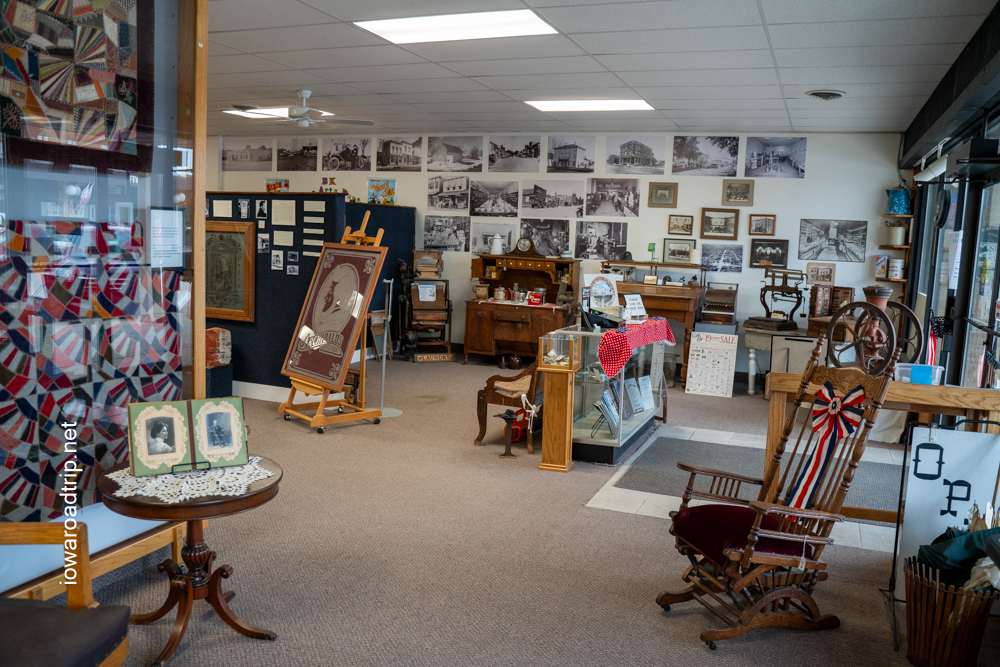
Historic photographs and artifacts show the businesses, buildings and people that once filled downtown Belmond.
Some businesses remained local landmarks for decades, while others changed names, moved or disappeared.
Look for familiar storefronts, signs and buildings that may still be standing today. The displays are a good starting point before walking downtown and comparing old photographs with the modern streetscape.
Revisit the 1966 Belmond Tornado
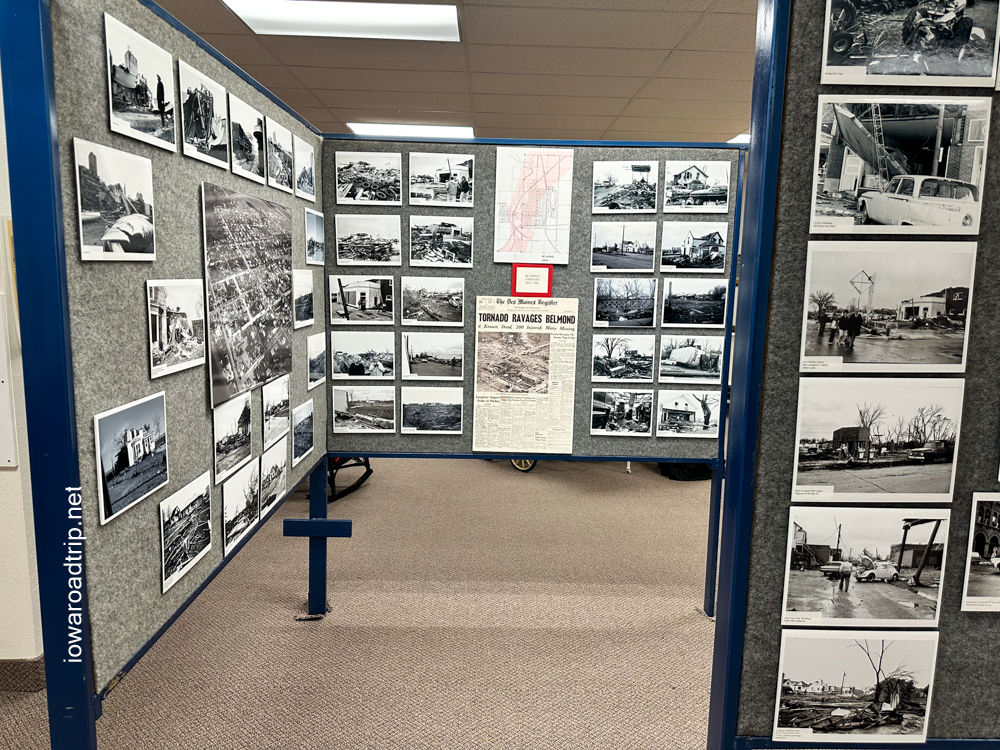
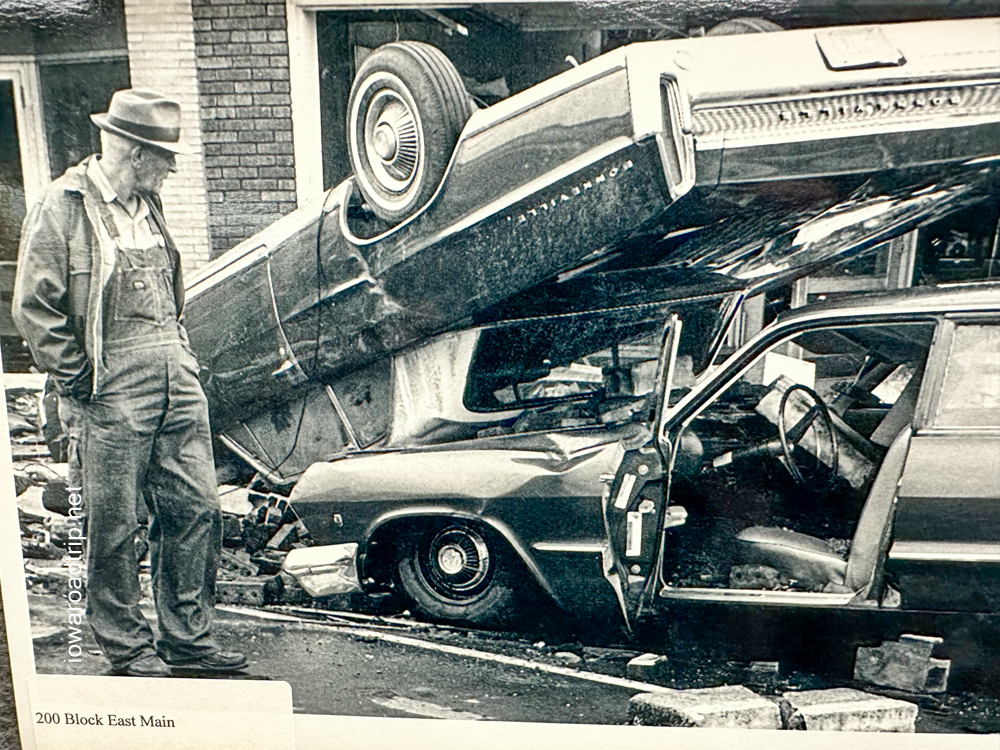
One of the museum’s most important exhibits documents the F5 tornado that struck Belmond on October 14, 1966.
The tornado moved northeast from near Clarion and reached Belmond during homecoming activities. People gathered for the parade had already begun leaving after noticing the threatening sky.
Six people were killed and 172 were injured. The storm destroyed 109 homes, damaged another 468 and affected about 75 of Belmond’s 112 businesses. Twenty-seven farms were also hit between Clarion and Belmond.
Photographs, documents and personal accounts show both the destruction and the recovery that followed.
The exhibit covers debris removal, temporary housing and the rebuilding of homes, schools and businesses. For many Belmond families, the tornado remains a personal part of the community’s history.
Discover Belmond’s Sugar Beet Industry
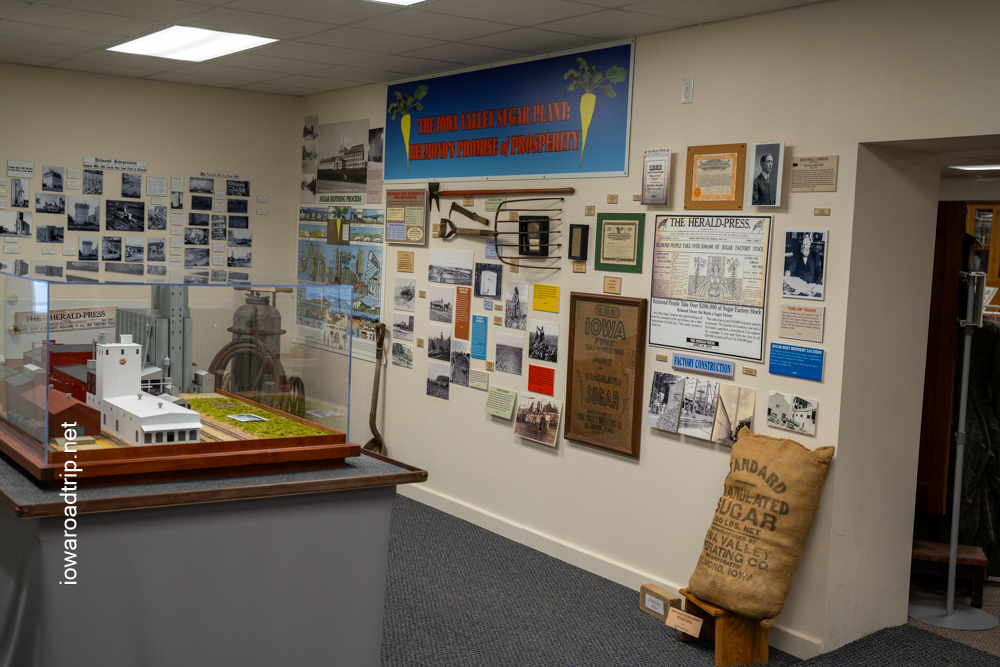
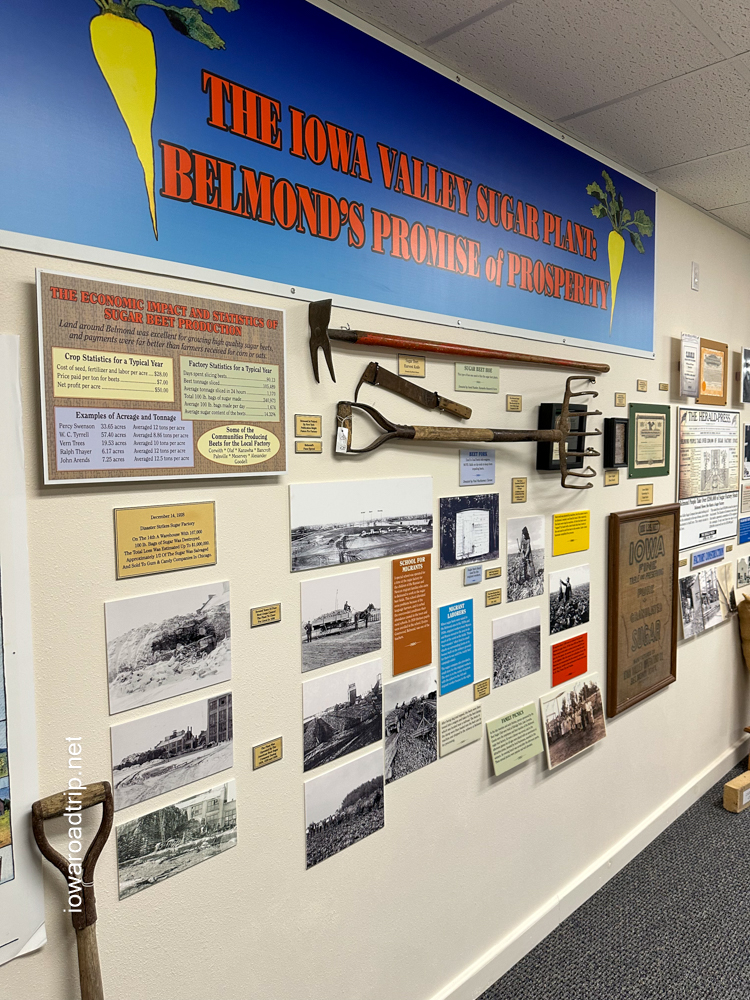
Sugar beets aren’t a crop most people immediately associate with Iowa, but they once played an important role in Belmond.
The museum preserves photographs, equipment and information about how the crop was grown, harvested and processed roughly a century ago.
The industry created jobs on farms and in processing facilities while also supporting transportation and other local businesses.
It’s one of the exhibits that gives the museum a story closely tied to Belmond itself.
Follow the Railroad Into Town
The railroad reached Belmond in 1881 and changed how people and products moved through the community.
Farm products could be shipped to larger markets, while manufactured goods and passengers moved more easily in and out of town.
The collection includes railroad photographs, artifacts and a 1948 toy train set.
Together with the Main Street displays, the railroad exhibit helps show how transportation shaped Belmond’s businesses and growth.
See How People Lived and Worked
Many of the museum’s smaller displays focus on everyday life.
Agricultural tools and equipment show how farms supported Belmond and the surrounding countryside. Antique hand tools reflect an era when more repairs and construction work were done without electric equipment.
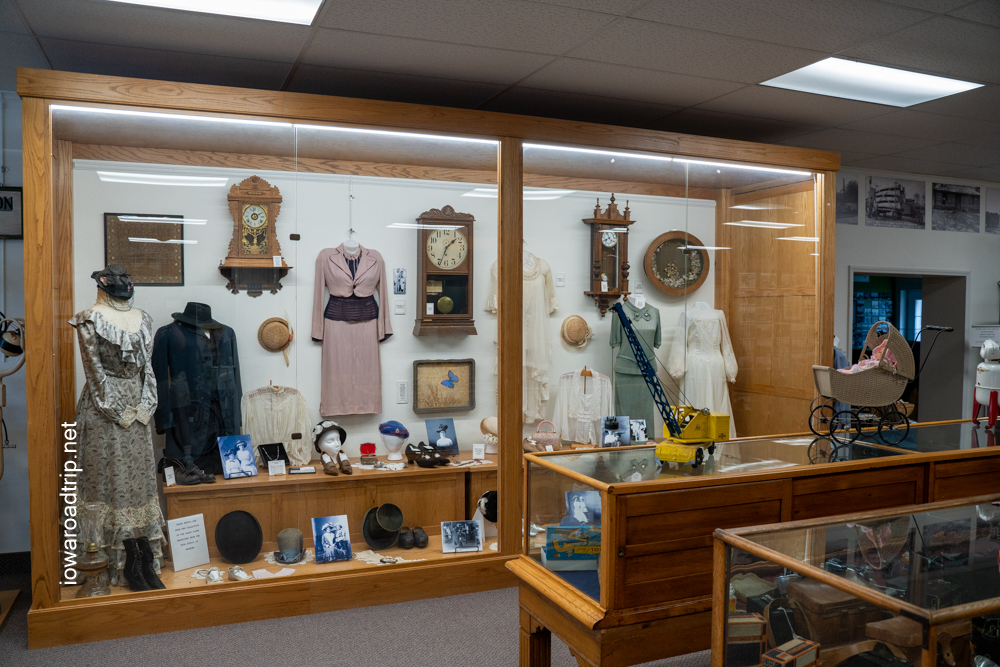
Household items and vintage clothing show how people cooked, cleaned and managed their homes before modern appliances became common.
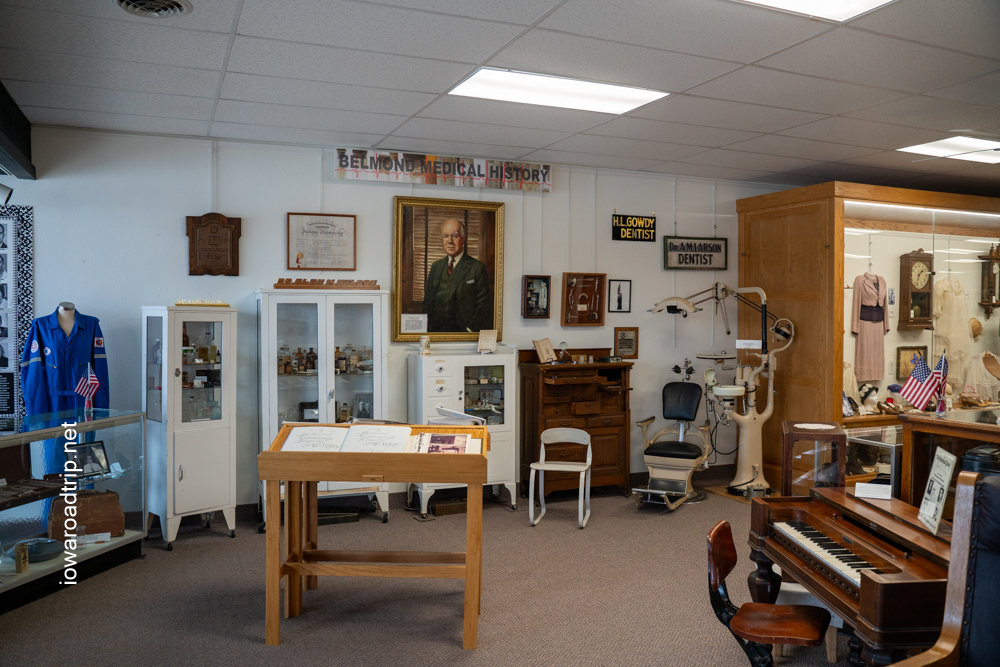
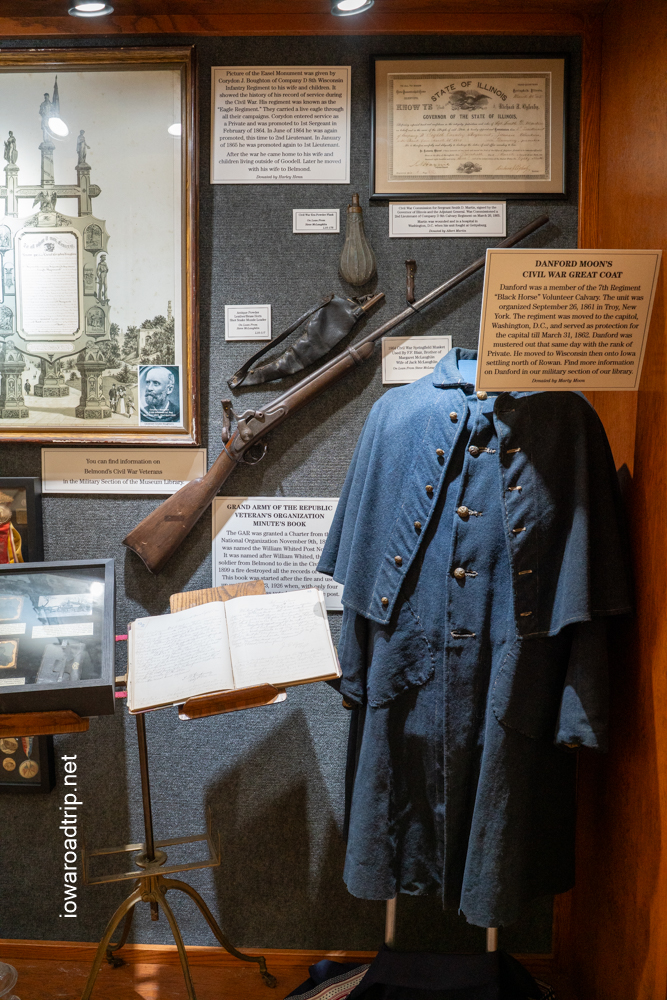
The museum also has displays related to doctors, schools and military service.
Medical instruments show changes in health care, while school photographs, yearbooks and an 1885 school bell preserve memories of Belmond classrooms. Military uniforms, photographs and personal items connect local residents with larger national events.
Browse Thousands of Historic Photographs
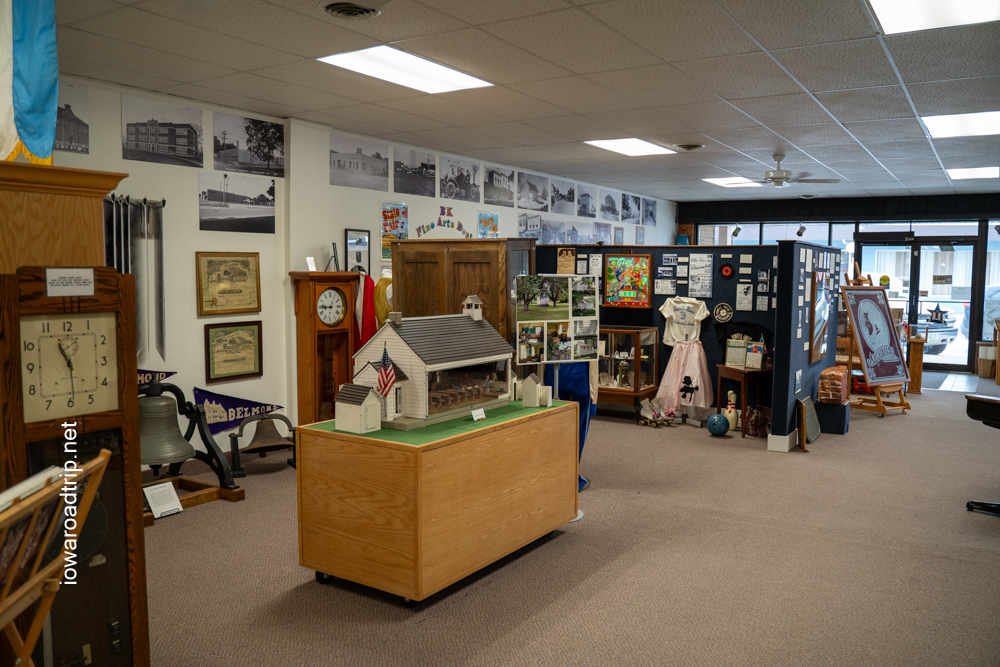
The museum maintains a digital collection of approximately 7,000 photographs.
Many were scanned from glass-plate negatives created by Belmond’s Martin Thoe Studio in the early 1900s. The images include portraits, homes, businesses, street scenes and community events.
Another important collection comes from Bob Foss, who organized decades of newspaper photographs after retiring from The Belmond Independent.
His collection fills three large volumes with more than 800 pages of school events, business openings, sports teams, celebrations and everyday life.
Visitors can search the photographs at the museum and ask about purchasing copies.
Research Newspapers and Family History
Digitized Belmond newspapers cover most years from 1876 through 1974.
They include obituaries, wedding announcements, advertisements, school news, property sales and other community information.
The genealogy collection also includes family trees, early-settler records and materials related to Belmond and nearby townships.
If you’re planning a research visit, bring names, approximate dates and any known family connections. Calling ahead may also give volunteers time to locate useful records before you arrive.
How Much Time Should You Allow?
Allow about one hour for a general visit.
Plan for 90 minutes or longer if you want to spend more time with the photograph collections, talk with volunteers or look through family records.
Genealogy and newspaper research may require considerably more time.
Make It Part of a Belmond Road Trip
The museum’s Main Street location makes it easy to combine with a walk through downtown Belmond.
After looking through historic photographs inside, head outside and see which buildings and street features you can still recognize.
Other possible stops include the Jenison-Meacham Memorial Art Center and Farmstead, local parks, downtown businesses, public art and other Wright County attractions.