Walking Through Iowa History at Fort Atkinson State Preserve
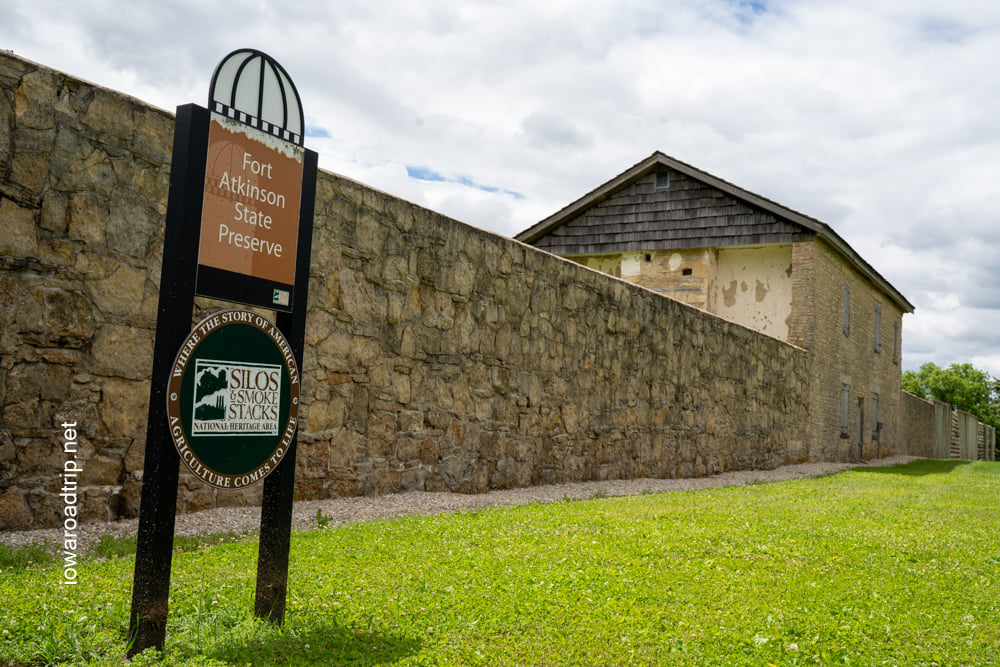
Fort Atkinson looks, from the road, like little more than a scatter of stone walls above a small northeast Iowa town. Past the wooden gate is one of the state’s more historically loaded sites — and a quick one to see, at 30 to 45 minutes for most visitors.
Visitor information
Address: 303 2nd Street, Fort Atkinson, Iowa
County: Winneshiek County
Admission: Free
Grounds: Open year-round, daily, 4:30 a.m.–10:30 p.m.
Barracks museum: By appointment only
Phone: 563-425-4161
Best for: Iowa history, military history, archaeology, historic architecture, a short self-guided stop
The outdoor grounds are open for casual visits, but the North Barracks museum only opens by appointment — call ahead if seeing inside it matters to your trip.
Arriving
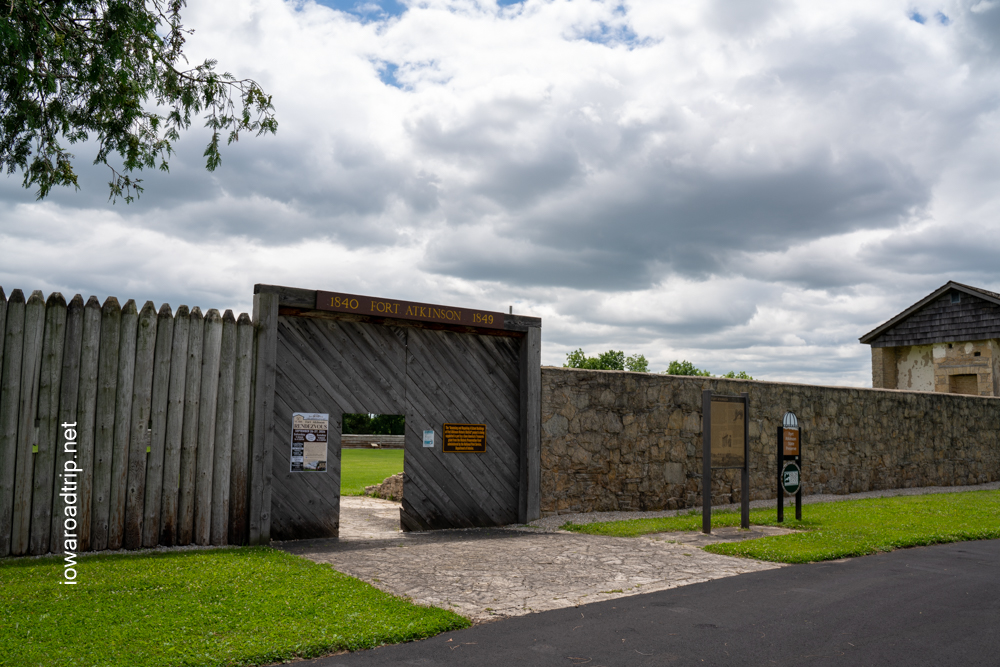
Parking is paved and sits right at the main gate. Past the gate, the ground is grass, and the courtyard is ringed by stone walls, rebuilt stockade sections, and the buildings that survive from the original post.
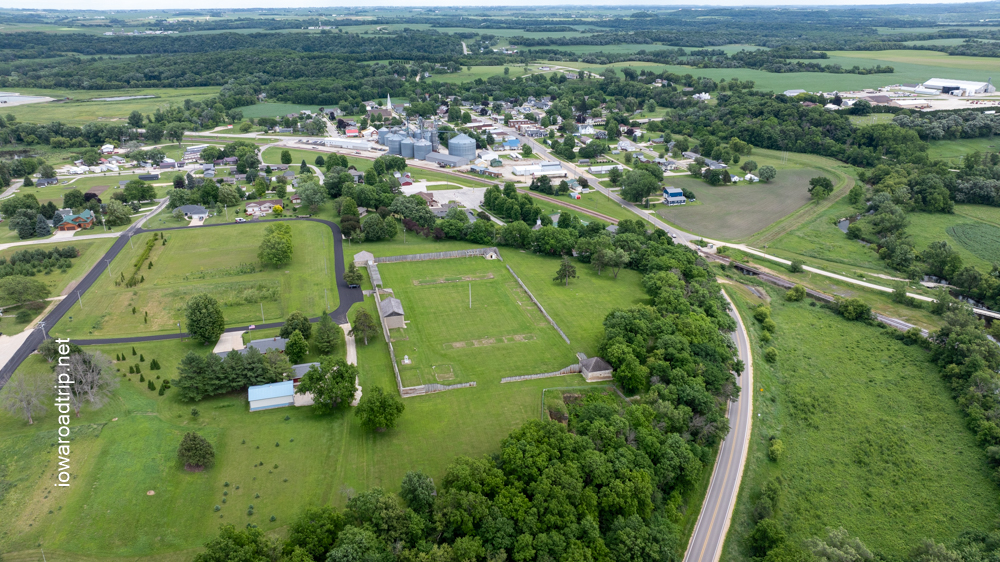
Signs throughout identify buildings, foundations, and other features, so the layout makes sense without a guide. I had an appointment with an Iowa DNR staff member during my visit, but most people will walk the grounds on their own.
This isn’t a reconstructed fort with daily demonstrations — it’s foundations, a handful of original buildings, and signage to help you picture the rest. There are no restrooms, water, vending machines, or benches on site, so plan ahead.
Why the fort was built
The Army began building Fort Atkinson on May 31, 1840, as the Ho-Chunk people were forced from their land in Wisconsin. The federal government relocated them to a stretch of northeast Iowa it called the Neutral Ground, and soldiers here monitored the displaced population and carried out federal removal policy — this wasn’t a fort built to defend a growing settlement. Older accounts sometimes flatten this into “keeping peace between tribes,” which omits the forced removal that brought the Ho-Chunk here in the first place.
The walls and buildings are as much evidence of federal Indian removal policy as they are a record of 1840s military life.
Through the main gate
The wooden gate opens onto the fort’s large central courtyard, with its surviving buildings arranged around the former parade ground. At its peak, the post held 24 buildings inside a nearly 12-foot stockade wall, plus 14 more outside it. Only a few of those buildings still stand, but low foundations mark where the rest once were, and signs explain the layout.
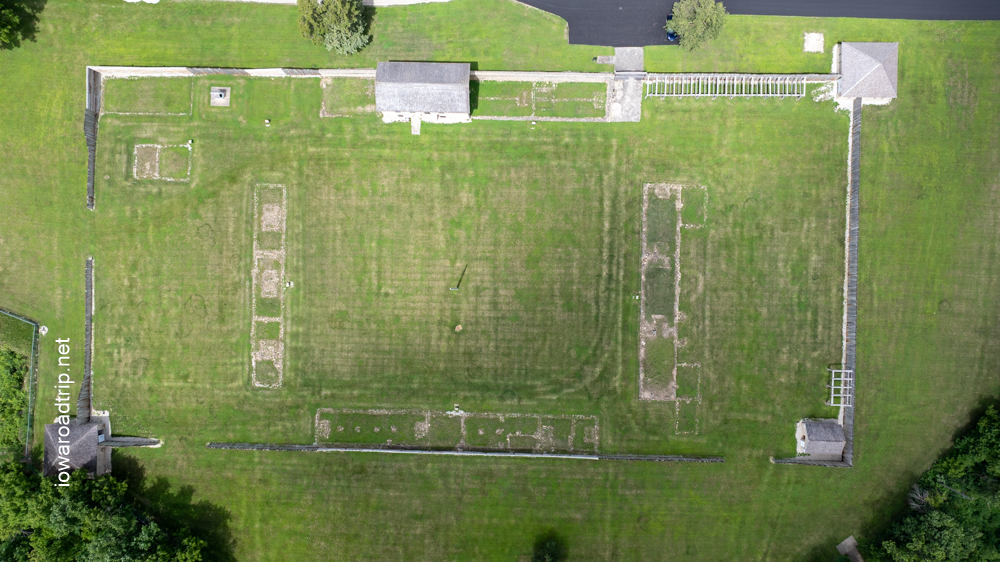
Most of the courtyard is level and easy to walk, but the ground near the old foundations is uneven and unfenced. Watch your footing, and don’t disturb the stones.
The North Barracks museum (by appointment)
The North Barracks is the largest building left standing and gives the clearest sense of the fort’s original scale. It once housed soldiers; today it holds a small two-floor museum, including a scale model of the fort as it looked when fully built — useful for making sense of the foundations outside.
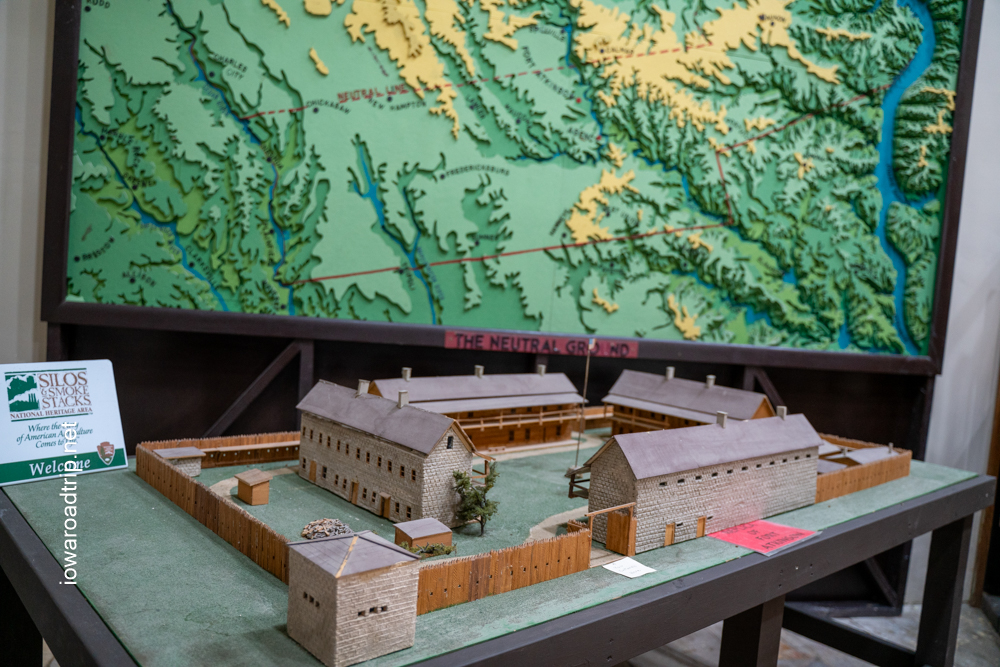
Life-size room displays recreate the barracks interior, and the museum holds original artifacts, documents, and guns with explanatory signage.
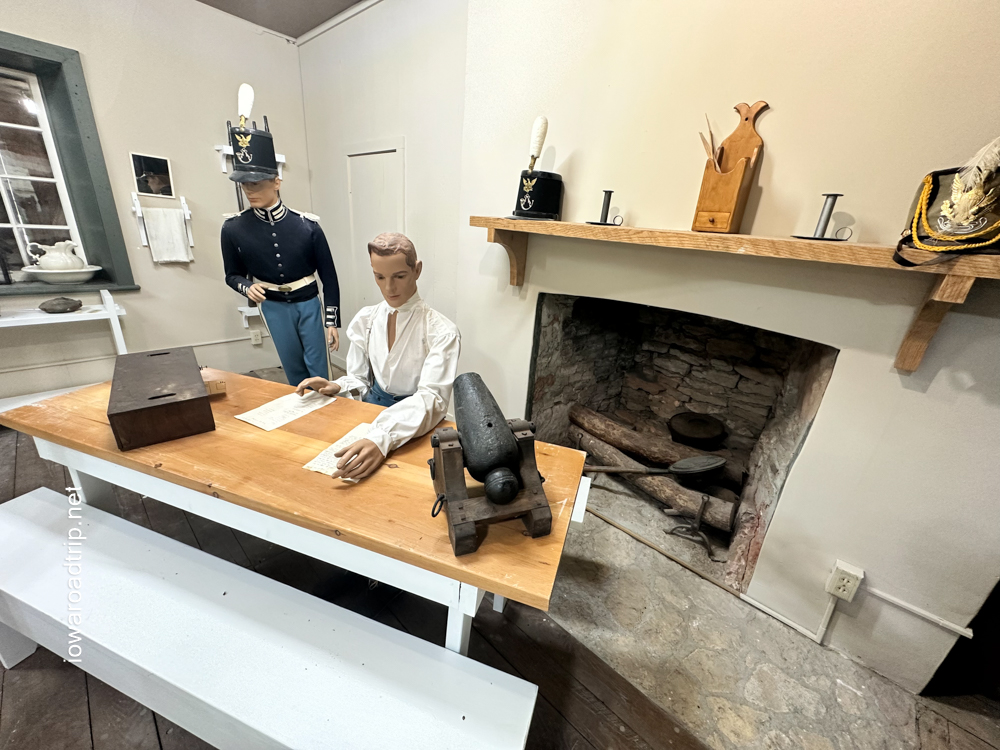
The building is small, and stairs are the only way to the second floor — it’s not an accessible space. Again: appointment only.
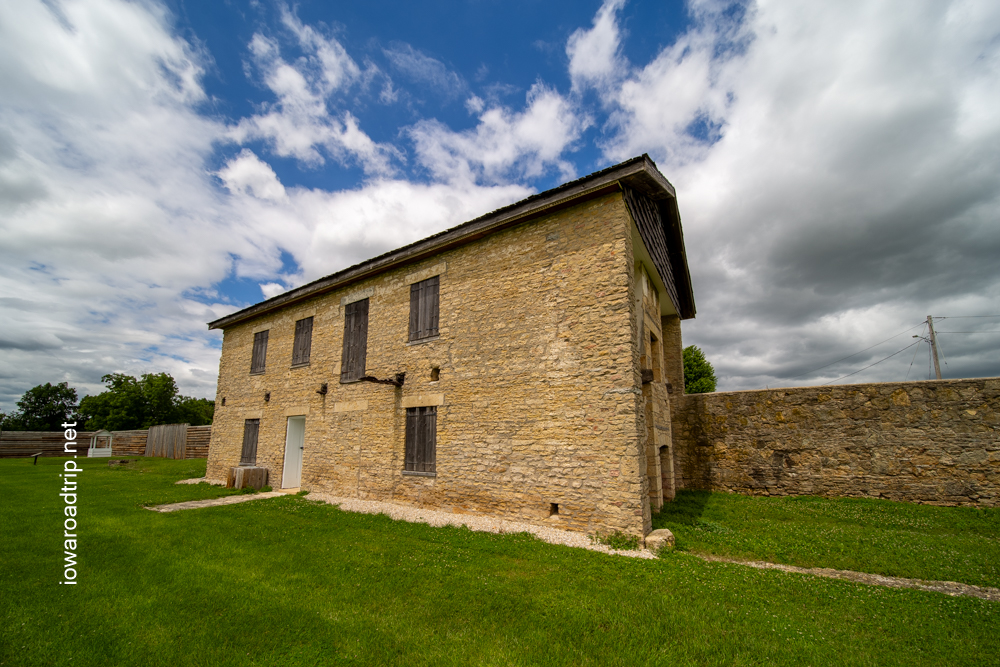
The outdoor preserve holds up fine without the museum, but the model and artifacts add real context if you can get an appointment.
The cannon blockhouses
Both blockhouses were open when I visited. Neither has exhibits, but the narrow gun slits cut into the stone walls make their purpose obvious at a glance — soldiers could fire out while staying protected inside.
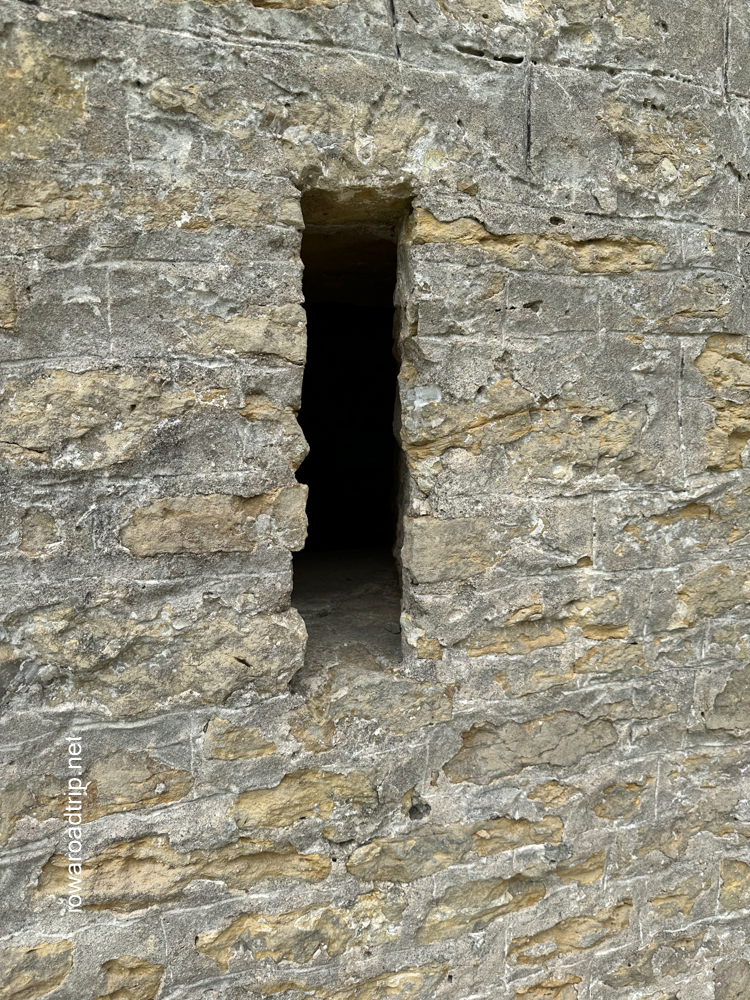
Kids tend to notice these openings right away and ask about them.
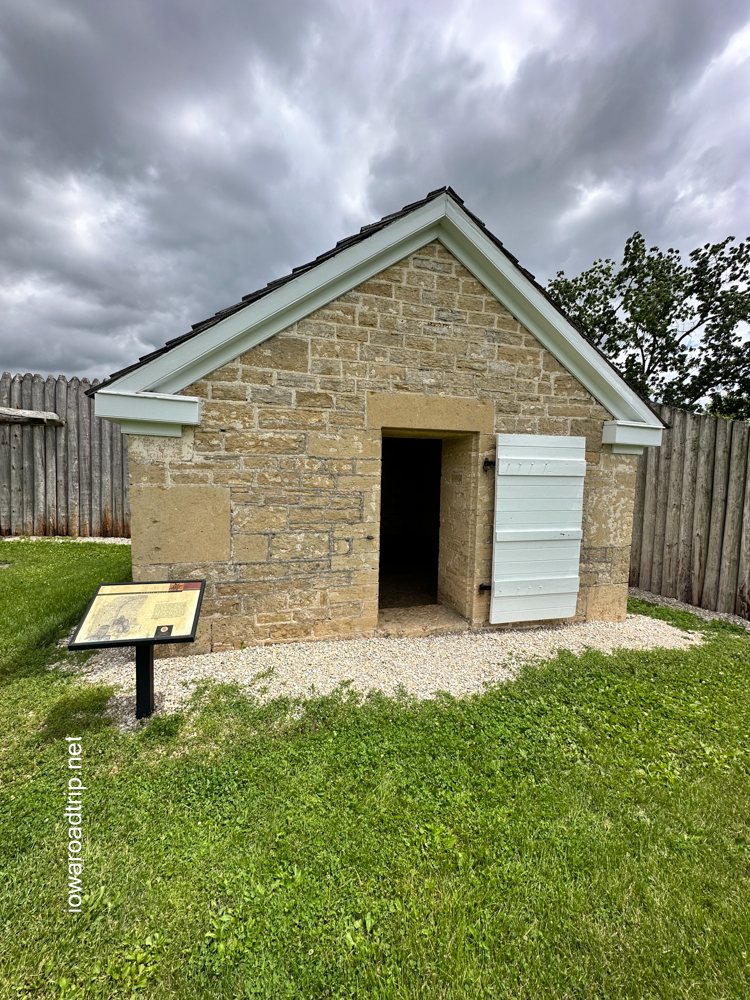
The Powder Magazine
Also open during my visit. This small stone building stored gunpowder and ammunition away from the fort’s living quarters — no artifacts inside, but signage explains its construction and purpose. The thick walls and limited openings tell most of the story on their own. It’s one of the fort’s most distinctive surviving structures.
Reading the foundations
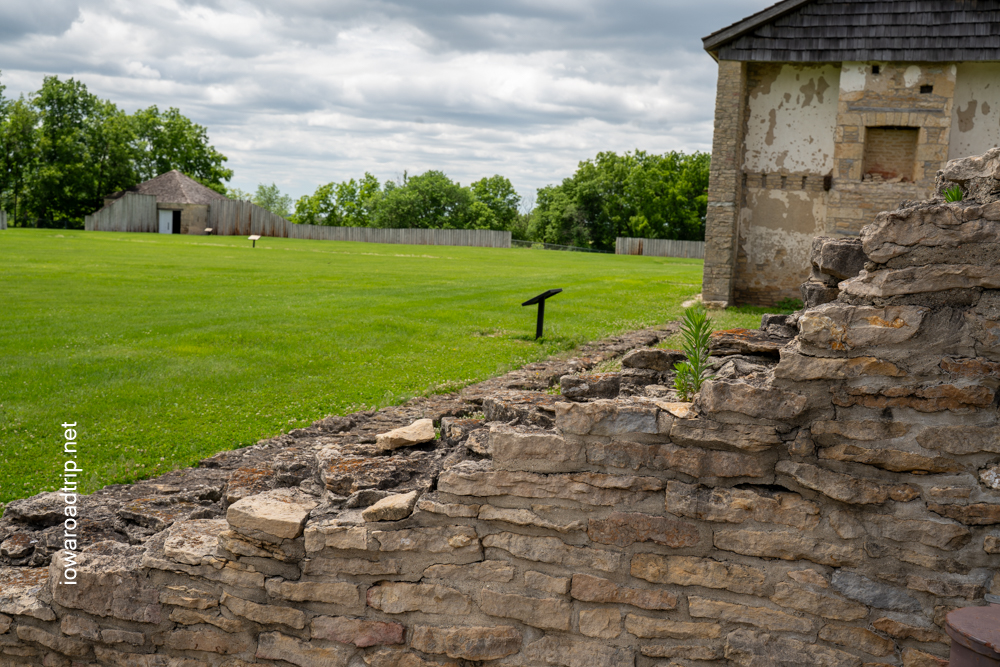
Most of the fort’s buildings are gone, leaving only low foundations and uneven ground. On their own, these could read as rectangles of stone — the posted signs are what make them legible. For more depth, the University of Iowa’s Office of the State Archaeologist has an online walking tour, though I relied on the signage and a DNR staffer’s explanations.
Archaeology and preservation
Digs at the site date back to at least 1939, and recovered foundations and artifacts have shaped what’s known about the fort’s layout and the people connected to it. The preserve reopened in 2024 after a major preservation project that carefully dismantled, documented, and rebuilt unstable stone walls, returning stones to their original positions. Treat the foundations as archaeological resources — don’t move stones or climb on the remains.
Good for kids?
It depends on age. I’d generally recommend it for kids 7 and up — there’s open space to explore and the blockhouses are a hit, but younger children may lose interest fast, since there’s little hands-on beyond reading signs or listening to an adult explain things. The history of forced removal deserves an age-appropriate explanation rather than being skipped.
Accessibility
Parking is close to the gate, but the ground inside is grass, and the foundations create uneven, unmarked spots to watch for. The North Barracks museum requires stairs to reach its second floor, and individual buildings may have thresholds or other obstacles typical of old structures. There’s no shade, no benches, and no restrooms — I visited on a cool June afternoon and it was comfortable, but bring water and sun protection on a hot day.
Time to allow
30 to 45 minutes covers the courtyard, the open blockhouses and Powder Magazine, and the exposed foundations. Add more time for a North Barracks appointment or the online audio tour.
The Fort Atkinson Rendezvous
Held the last full weekend of September, the Rendezvous is a different experience entirely — period crafts, reenactors, black-powder demonstrations, cannon drills. It started in 1977, and 2026 marks its 50th year, scheduled for September 26–27, with a Rendezvous Chicken Dinner on September 25. Admission and parking are free.
Check the current schedule if you’re planning around the event specifically — reenactors and demonstrations aren’t part of a normal day here.
Best time to visit
Spring and early summer keep the grounds green; fall brings cooler temperatures and Driftless-area foliage. September is the obvious pick if the Rendezvous is the draw. Long daily hours give photographers flexibility for morning or evening light, and since there’s no shade, cooler days or the edges of the day are more comfortable in summer.
Nearby
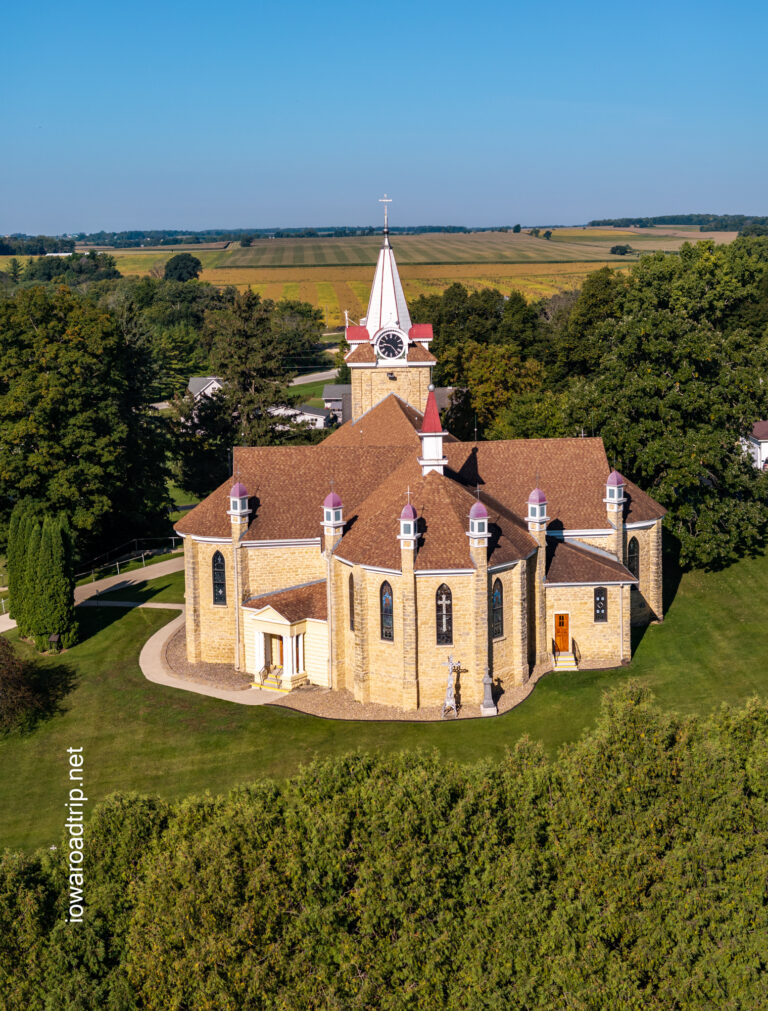
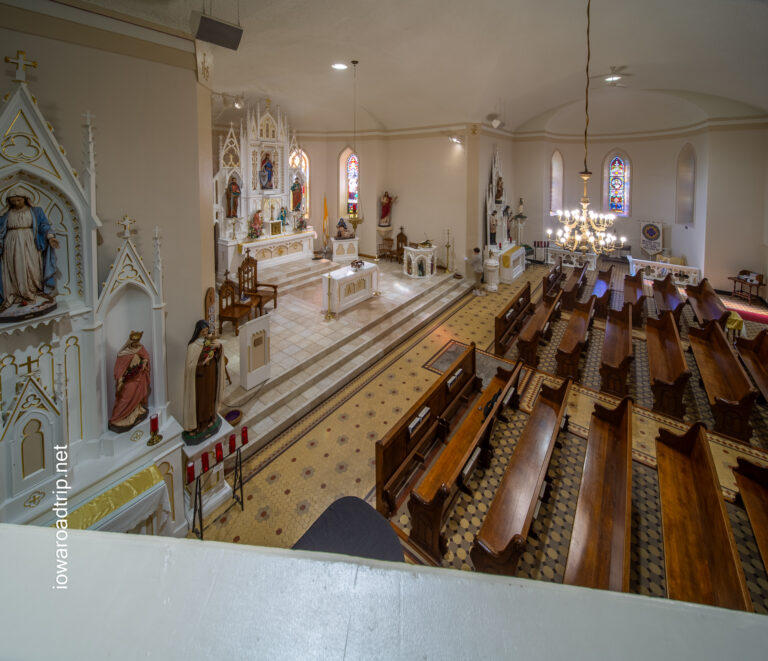
Fort Atkinson works better as a short stop than a destination. Pair it with the town of Fort Atkinson, Saint James Church, First Congregational Church, Spillville, Decorah, or a scenic drive through the Driftless Area.
Worth the stop?
For anyone into Iowa history, old stone buildings, or archaeology, yes — it’s quiet, self-directed, and rewards the time spent reading the signage and piecing together what stood here. What it isn’t is a fully reconstructed, staffed attraction: the barracks museum is rarely open, amenities are minimal, and most of the work of understanding the place is on you. That’s also what makes it worth the detour — a walk through the foundations and stone walls that trace both a military post and the forced removal of the Ho-Chunk people.