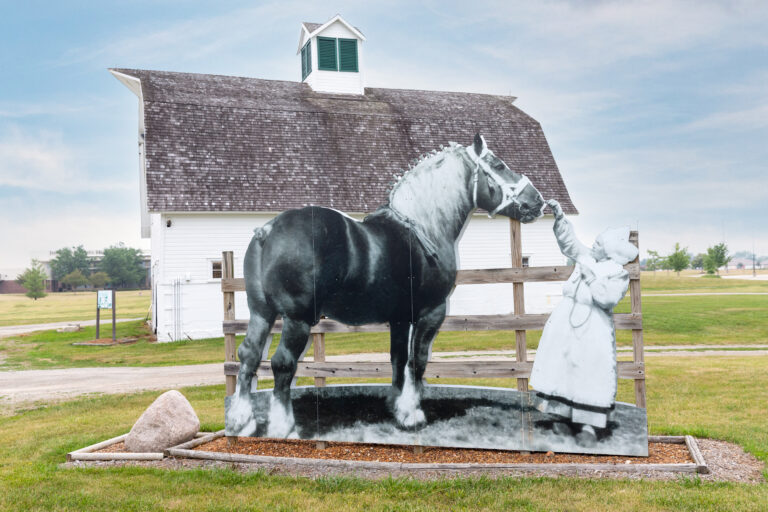
Explore Seed Savers Exchange: Gardens, Orchards and Heirloom Seeds Near Decorah
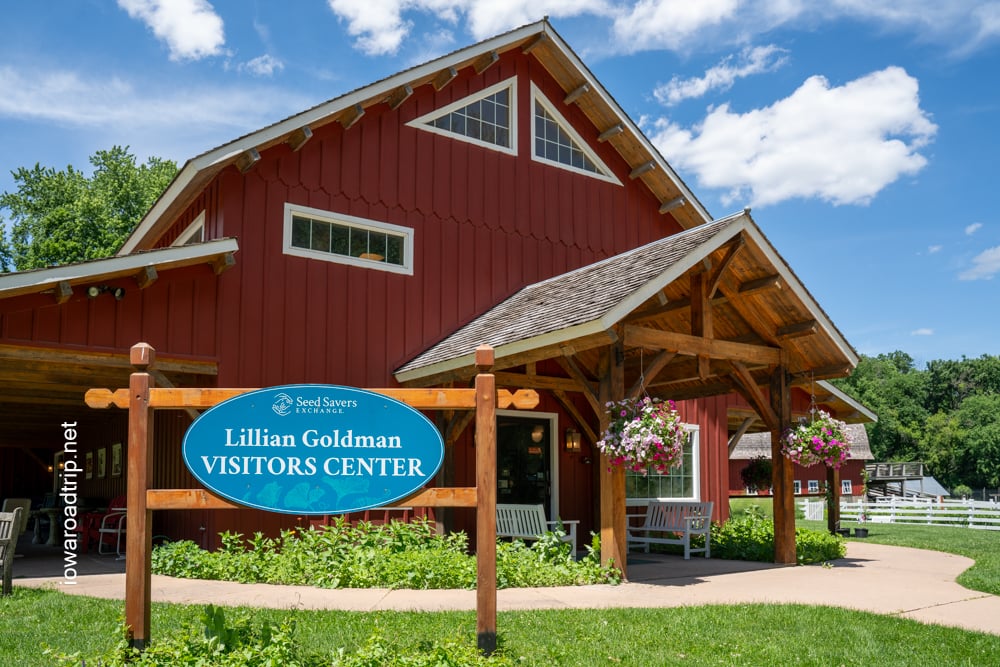
You may recognize Seed Savers Exchange from its seed catalogs or the colorful seed packets found in garden centers.
What you may not realize is that its headquarters near Decorah is also open to visitors.
Heritage Farm covers 890 acres of gardens, orchards, wooded hills, pastures and streams. You can browse heirloom seeds, walk through display gardens, photograph a century-old red barn, look for heritage livestock or head out on nearly 10 miles of trails.
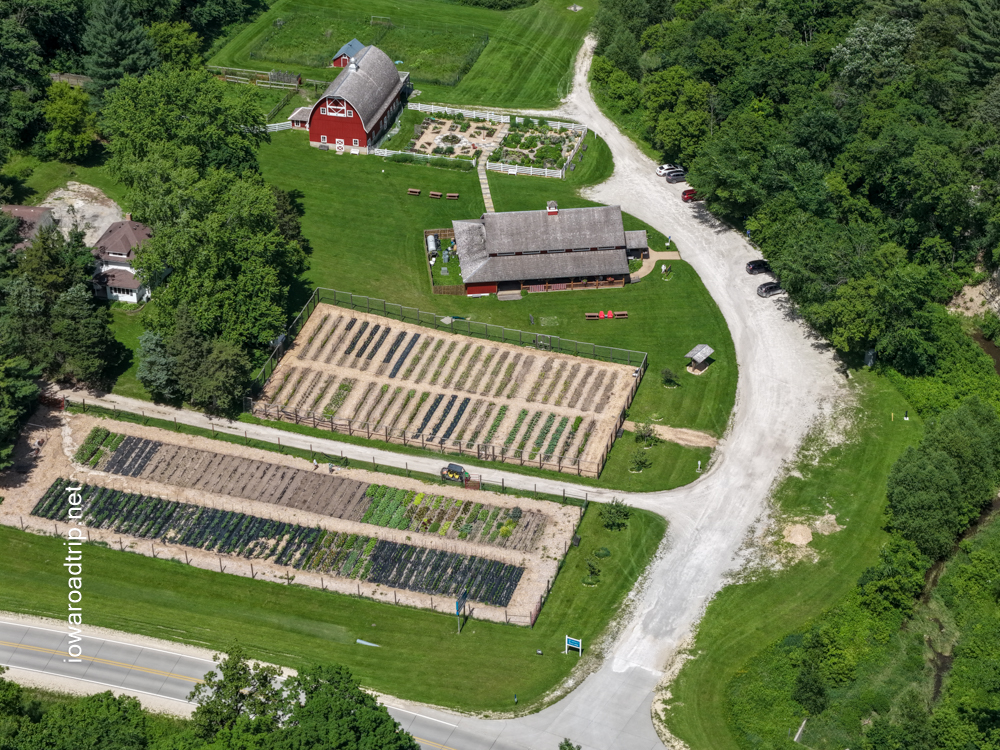
This is not simply a garden center surrounded by pretty scenery. It is a working preservation site where thousands of heirloom plant varieties are grown, studied, saved and shared.
Many of those plants come with stories—seeds carried across oceans, passed through families or kept alive in the same communities for generations.
You do not need to be an experienced gardener to enjoy the farm. The gardens, barn, trails and rolling northeast Iowa scenery make it an easy addition to a Decorah road trip.
Quick visitor information
Seed Savers Exchange at Heritage Farm
Visitor entrance: 3074 North Winn Road, Decorah, Iowa 52101
Phone: 563-382-6104
Official website: https://seedsavers.org/
Lillian Goldman Visitors Center hours:
March through October, daily from 10 a.m.–5 p.m.
2026 holiday closures:
- Easter Sunday
- Memorial Day
- Juneteenth
- July 4
- Labor Day
Gardens, trails and trout streams:
Open year-round from sunrise to sunset.
The visitor information does not list a general admission charge for a regular self-guided visit. Guided group tours require reservations and have separate fees.
How much time should you allow?
Plan on one to two hours if you mainly want to browse the store and walk through the gardens near the visitors center.
Allow several hours if you want to hike, visit the orchards, photograph the property or attend a program.
There is no required route through Heritage Farm. A visit can be a short stop during a day in Decorah or a half-day outdoor outing.
Begin at the visitors center
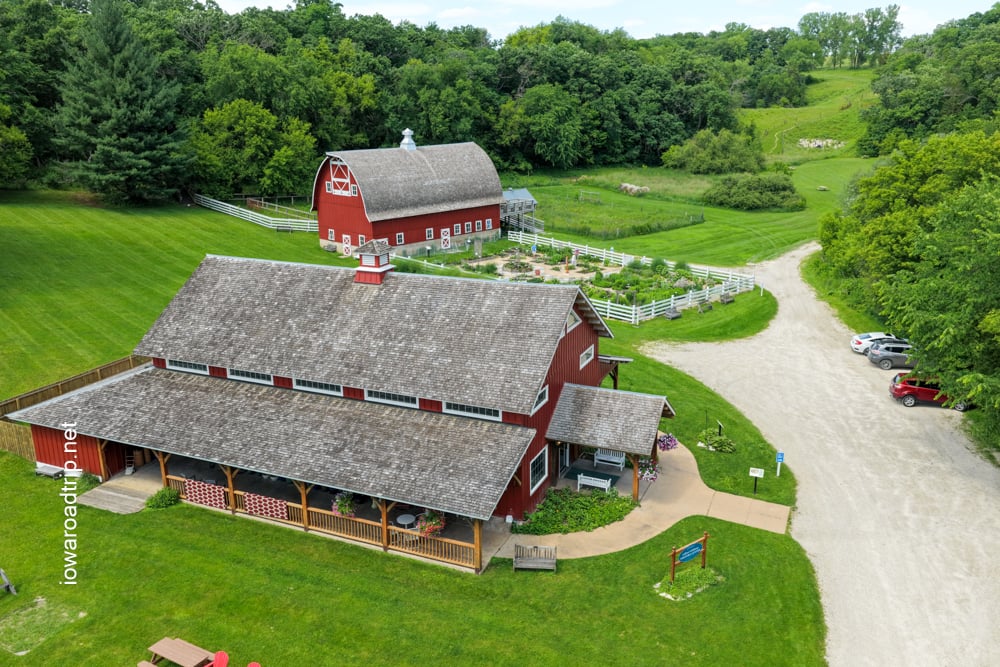
The Lillian Goldman Visitors Center is the best place to start.
Staff can help you understand the property layout and provide updates about trail conditions, orchard access, garden highlights and scheduled programs.
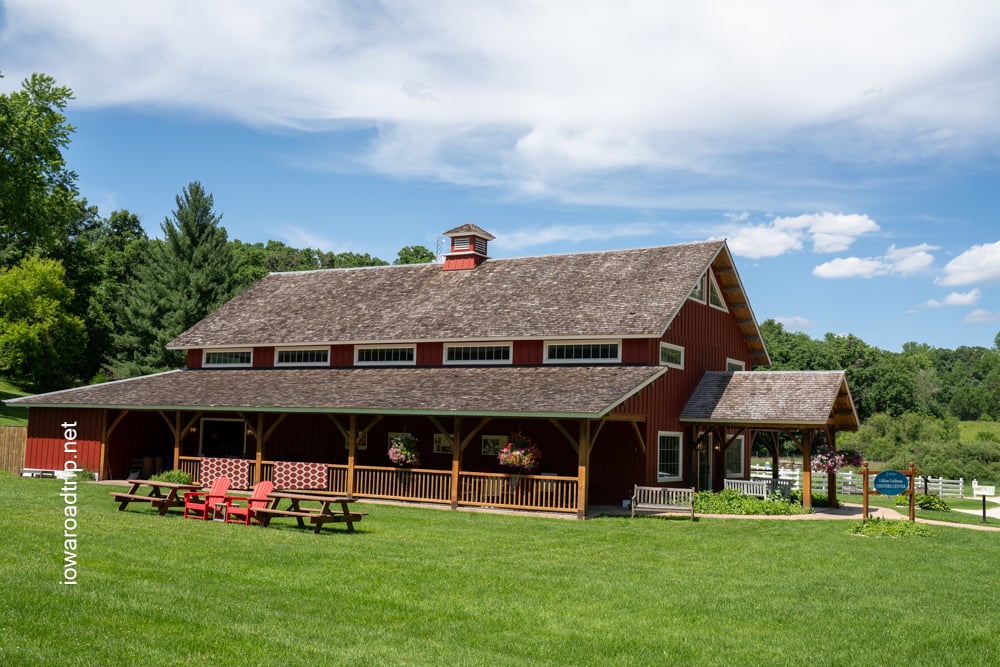
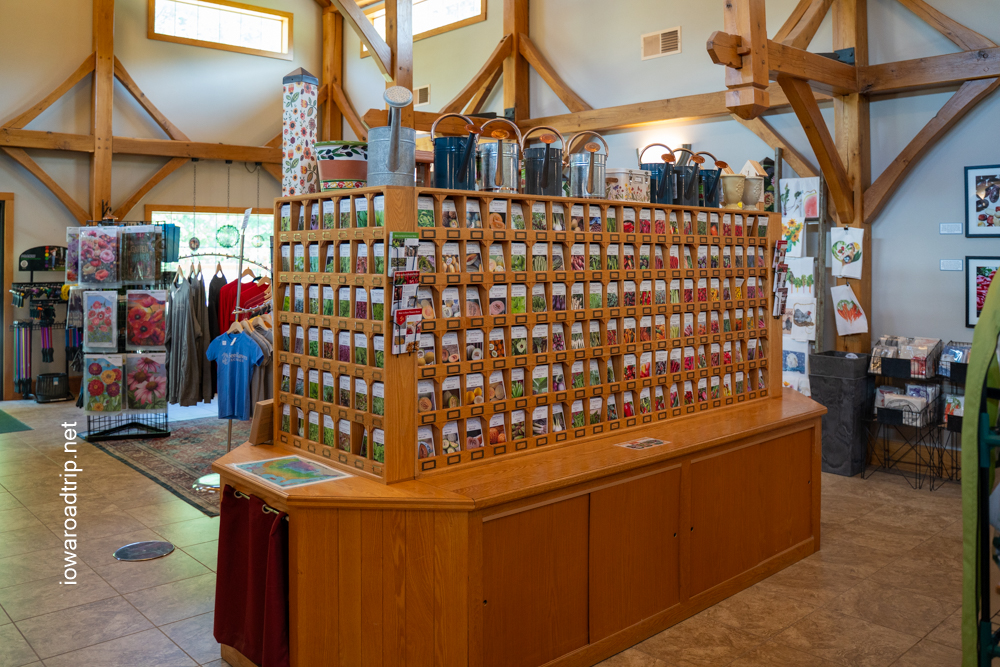
The building also contains the gift and garden store, where you will find:
- Heirloom seeds
- Garden tools and supplies
- Books
- Garden-themed gifts
- Local artwork
- Food products
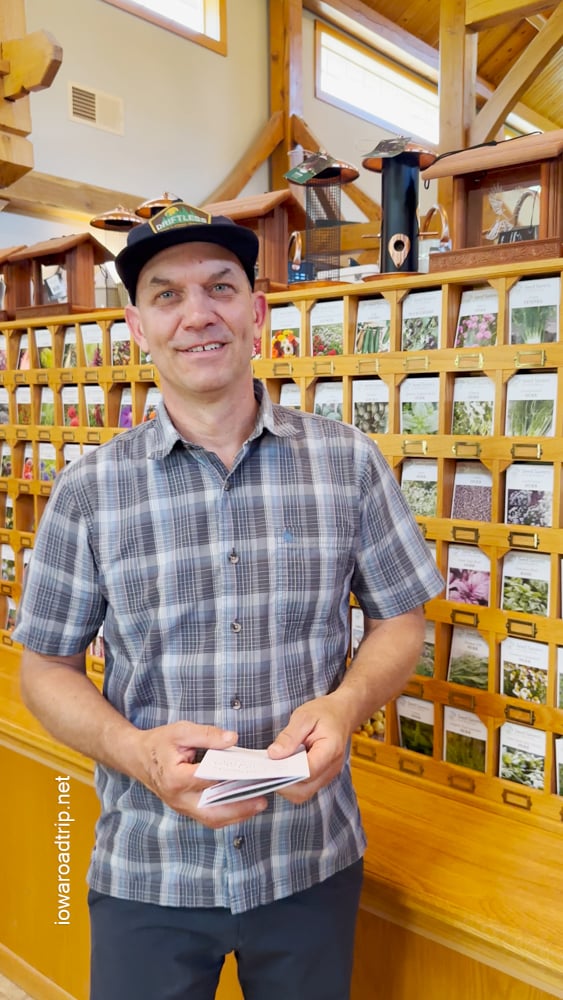
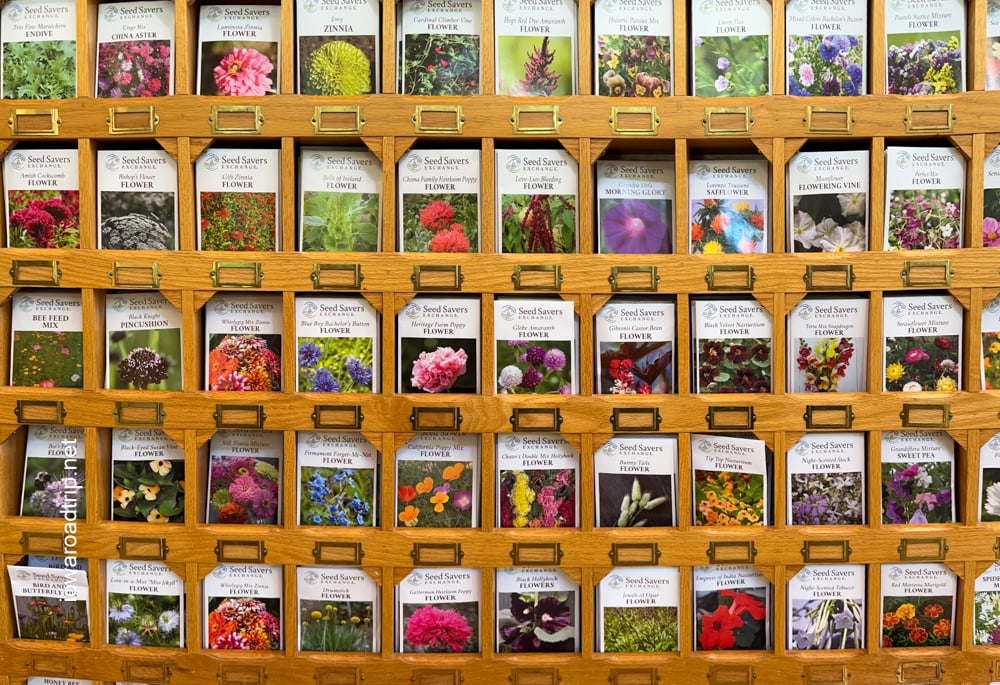
Even if you normally order seeds from the catalog, it is fun to browse the packets in person and ask questions.
The store is worth seeing, but most of the Heritage Farm experience is outdoors.
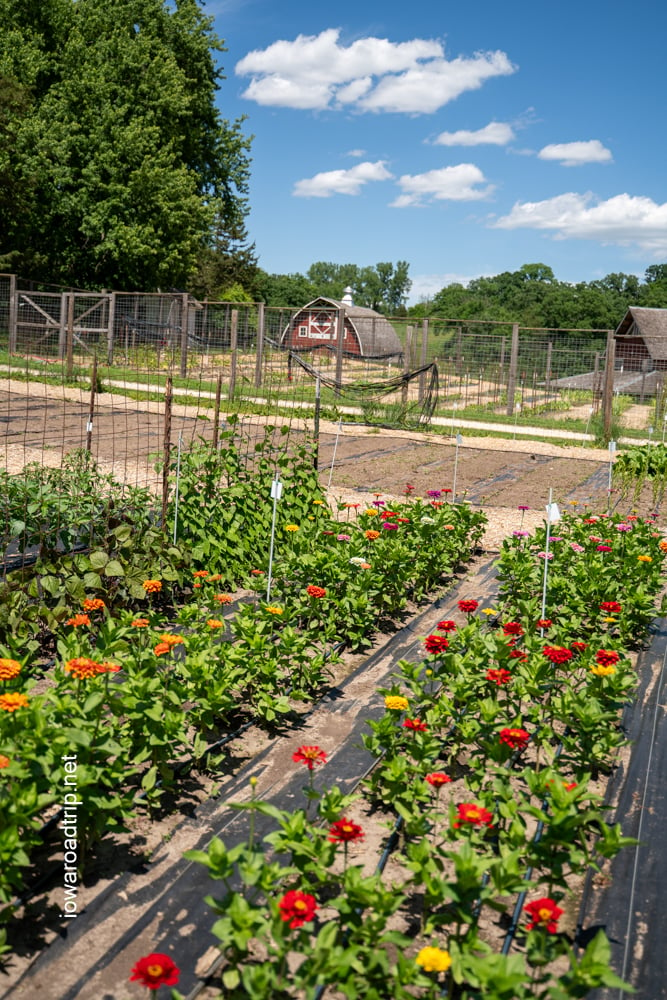
Walk through the display gardens
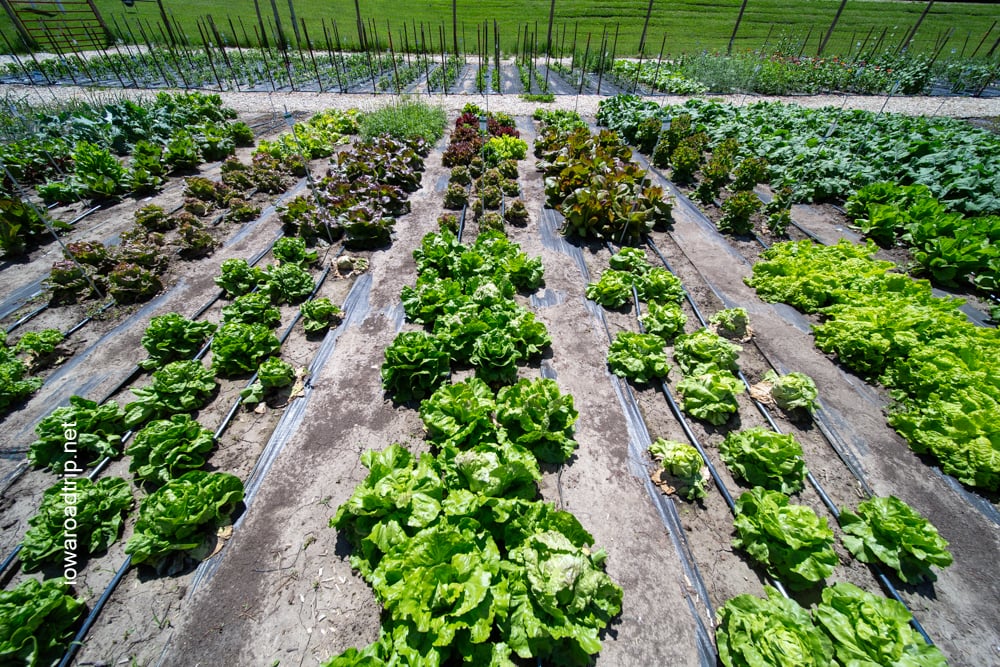
Seed Savers Exchange grows nearly 1,000 varieties across Heritage Farm each year.
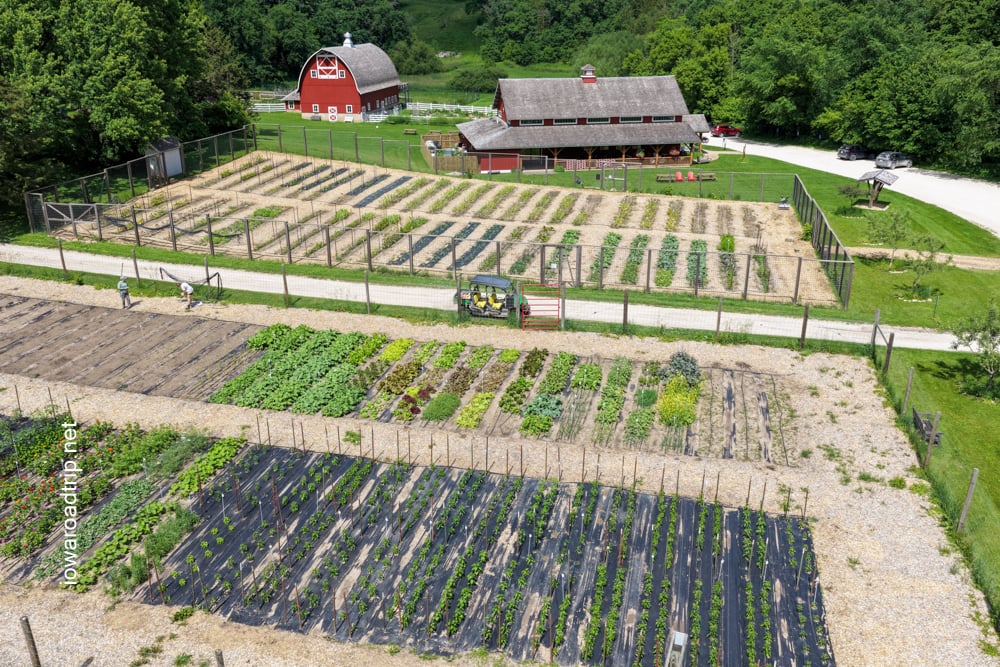
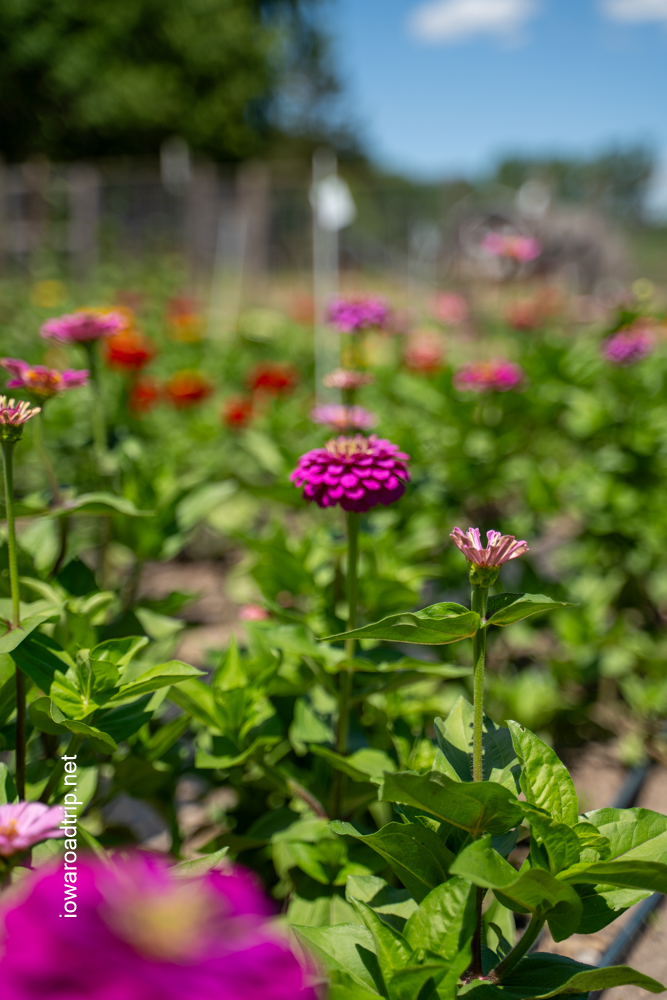
The gardens near the visitors center contain vegetables, herbs and flowers from both the preservation collection and the commercial seed catalog.
These are working gardens, not simply decorative beds. Plants may be grown to document their traits, evaluate how they perform or collect fresh seed for future use.
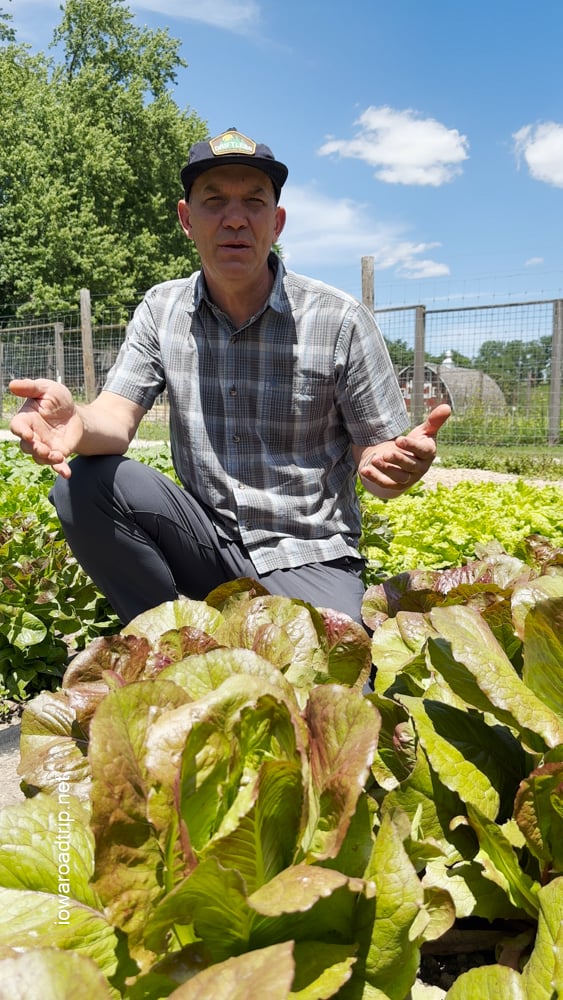
Take time to read the labels. Familiar crops may be growing next to tomatoes, beans, squash or flowers with unusual shapes, colors and names.
Some of the best discoveries are plants that look nothing like what you normally see at a grocery store.
The experience also changes throughout the growing season. Spring brings seedlings and early growth, while summer offers fuller beds, blooming flowers and mature vegetable plants. By late summer, many of the differences between varieties are easier to see.
Spend time in Diane’s Garden
Diane’s Garden was designed and maintained by Seed Savers Exchange co-founder Diane Ott Whealy.
It feels more personal than some of the larger growing areas, with flowers, vegetables and other plants sharing the same space.
Gardeners may notice ideas for plant combinations, structures and ways to mix edible plants with flowers. Even without that background, it is an inviting place to slow down and look around.
The garden also helps connect the larger organization to the person and family story that started it.
Photograph the red barn
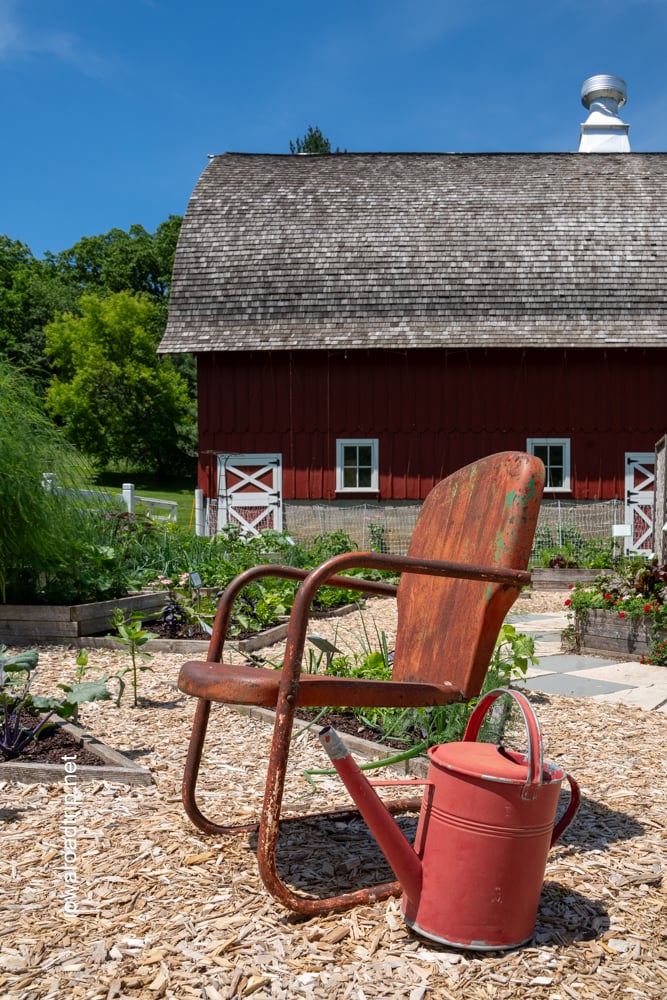
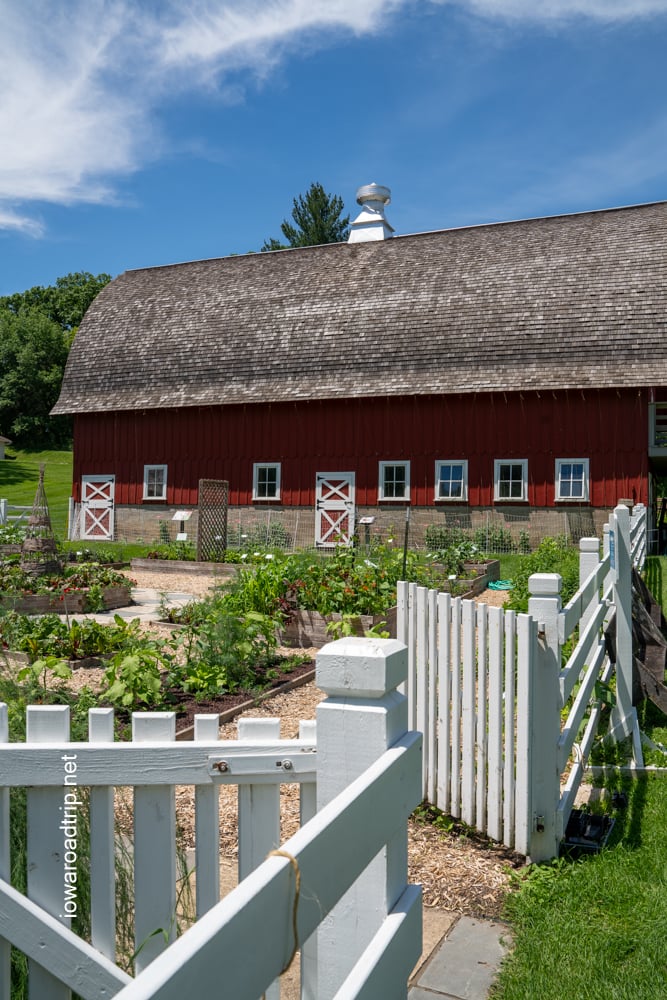
The century-old red barn is one of the most recognizable sights at Heritage Farm.
It stands near the gardens and animal areas, with wooded hills and rolling farmland in the background.
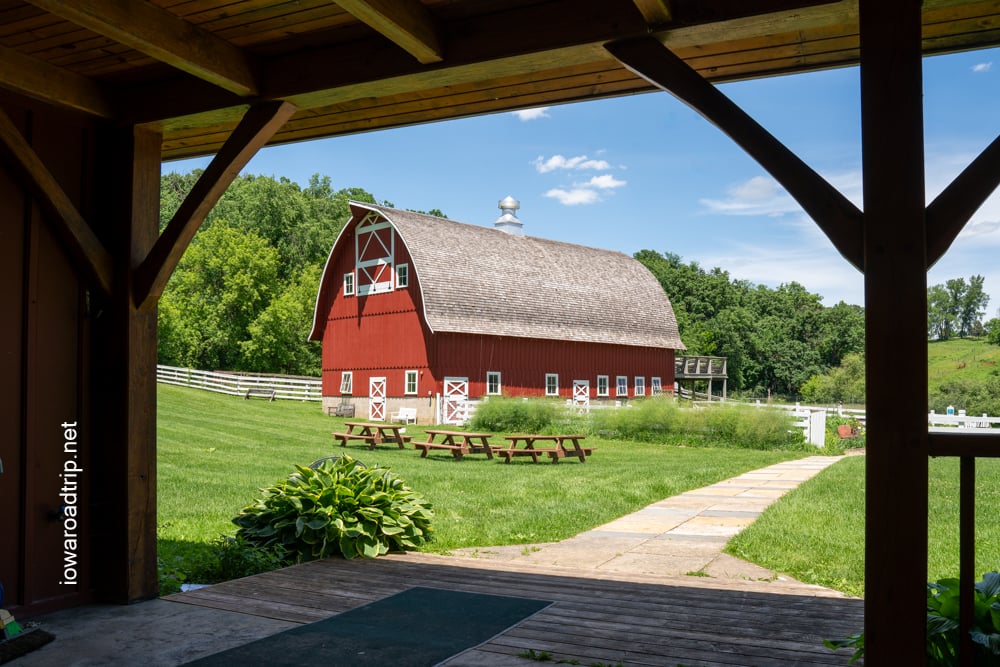
For a better view—and a better photo—walk far enough away to include some of the surrounding landscape. The setting is just as important as the barn itself.
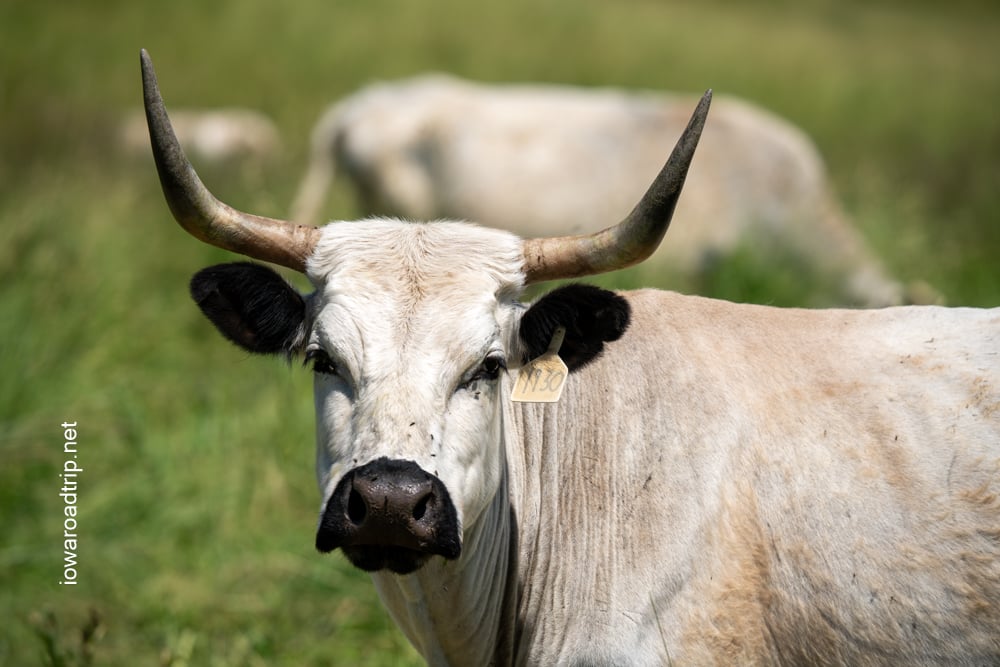
Heritage poultry breeds are kept near the barn, and Ancient White Park cattle live elsewhere on the property. Whether you see the cattle will depend on where they are grazing that day.
Heritage Farm is a working property, not a petting zoo. Do not expect to touch or feed the animals, and stay within marked public areas around farm buildings and work zones.
Visit the apple orchards
Seed Savers Exchange maintains two important apple collections.
The Historic Orchard contains hundreds of varieties. The Amy Goldman Heritage Orchard focuses on apples connected to the Midwest.
When fruit is available, visitors may pick apples for personal use, with a limit of one five-gallon bucket. Availability depends on the season, the trees and current conditions, so there is no guarantee that a particular variety will be ready during your visit.
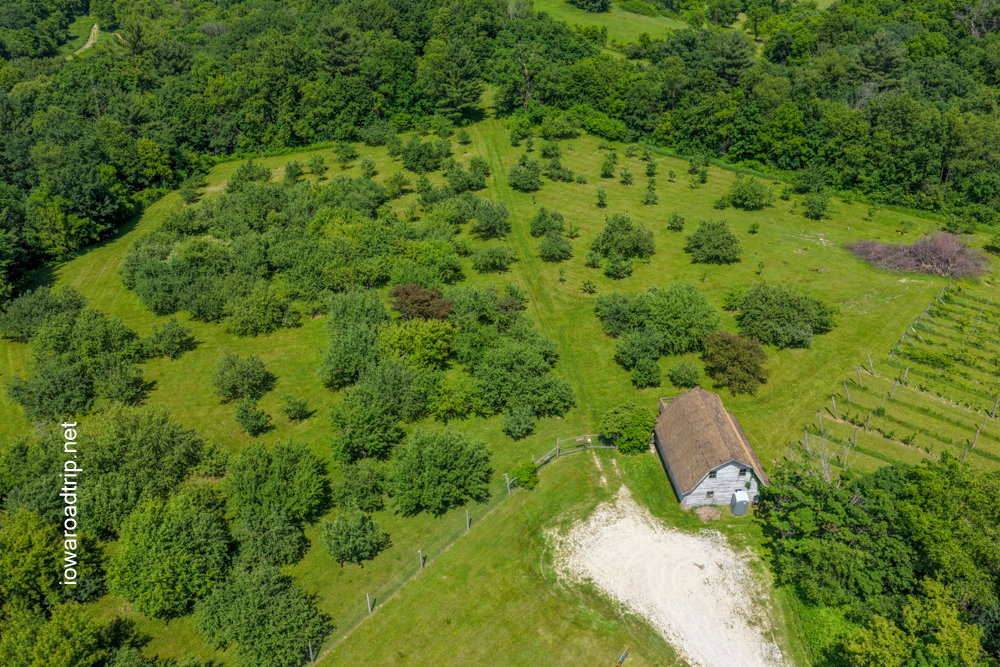
This is not a typical commercial pick-your-own orchard. The primary goal is preservation.
Some apples have unusual colors, shapes or flavors. Others are connected to a particular family, community or region. Keeping the trees alive also keeps those stories from disappearing.
The orchards are farther from the visitors center and require more walking than the main gardens. Ask staff about access, trail conditions and current apple availability before heading out.
Explore the trails
Nearly 10 miles of trails cross the 890-acre farm.
The routes pass through wooded hills, valley pastures, orchards, cattle areas and more remote growing sites. You can take a short walk near the main grounds or turn the visit into a longer hike through the Driftless Area landscape.
This part of northeast Iowa has more hills than many people expect. Trail surfaces may include grass, dirt, gravel, slopes and uneven ground.
For a longer walk:
- Use the current trail map.
- Wear sturdy shoes.
- Carry water.
- Ask about trail conditions.
- Leave enough time for the return trip.
Trails may be muddy after rain, and some routes could be difficult for visitors with limited mobility.
Fishing is also listed as an available activity in the farm’s trout stream. Anglers should check Iowa fishing license requirements and current trout regulations, then ask staff where public fishing is permitted.
Can you tour the seed bank?
Heritage Farm is home to the Seed Savers Exchange collection, preservation staff and seed-processing work.
That does not mean every part of the operation is open for casual tours.
During a regular visit, expect to spend your time around the visitors center, gardens, trails, orchards and other designated public areas. Seed-storage rooms, laboratories and processing spaces are generally not open for walk-through visits.
Some special events include behind-the-scenes access to working areas. Check the event calendar before visiting when that is one of your main reasons for going.
What is being preserved here?
Seed Savers Exchange cares for approximately 20,000 heirloom and open-pollinated plant varieties.
The collection includes vegetables, herbs, flowers and other food crops. Selected varieties must be grown periodically so fresh seed can be harvested and placed back into storage or shared with gardeners.
Seeds are living material. They cannot simply be placed on a shelf and forgotten forever.
The stories connected to them matter, too.
A tomato may have been brought to Iowa by an immigrant family. A bean may have been served at the same family gatherings for decades. A flower may have been passed from one gardener to another until someone finally entrusted it to Seed Savers Exchange.
Once you understand that, the gardens begin to feel less like a display and more like a collection of living family histories.
The two seeds that started everything
Seed Savers Exchange was founded in 1975 by Diane Ott Whealy and Kent Whealy.
The idea began when Diane’s grandfather, Baptist John Ott, entrusted them with seeds from two family heirlooms:
- ‘Grandpa Ott’s’ morning glory
- ‘German Pink’ tomato
Diane’s ancestors brought the seeds from Bavaria when they immigrated to Iowa in 1884.
Those two varieties became the beginning of a collection that now includes approximately 20,000 varieties.
The story helps put the organization’s work into perspective. One family cared enough about two plants to carry them across an ocean and continue growing them for generations.
Seed Savers Exchange grew from the belief that many other families were protecting similar pieces of garden, food and cultural history.
When is the best time to visit?
Each season offers a different experience.
Spring
Spring is a good time to shop for seeds, see the gardens starting to grow and attend plant sales or seasonal gardening programs.
The beds will not be as full as they are later in the year, but the farm has the energy of a new growing season.
Summer
Summer generally offers the fullest garden experience.
Flowers are blooming, vegetable plants are larger and the differences among heirloom varieties are easier to spot. Longer daylight hours also make it easier to combine the gardens with a hike.
Late summer and fall
Late summer brings mature crops, tomato-related events and the possibility of apple picking.
Cooler fall temperatures can make the trails more comfortable, and the surrounding Driftless Area begins to show fall color.
Winter
The visitors center is closed during winter, but the grounds, trails and streams remain open from sunrise to sunset.
A winter visit is almost entirely an outdoor experience, without the store or regular visitor services.
Programs and growing conditions change from year to year, so check the event calendar before planning a trip around a plant sale, tasting or orchard program.
Is Heritage Farm good for children?
It can be, especially for children who enjoy animals, gardens and being outdoors.
Possible highlights include:
- Chickens and heritage poultry
- Ancient White Park cattle
- Colorful vegetables and flowers
- The historic barn
- Apple orchards
- Streams and wildlife
- Short hikes
This is still a working farm rather than a children’s attraction. Families should not expect a playground, petting zoo or a full schedule of daily hands-on activities.
One easy way to keep younger visitors engaged is to ask them to find the strangest tomato, brightest flower, most unusual bean or funniest-looking chicken.
Organized groups can also reserve a shorter interactive garden program for children ages 5–12.
Guided group tours
Guided tours of the lower-campus gardens are available from May through September, Monday through Friday, for groups of at least 15 people.
The standard tour lasts about 45 to 60 minutes and covers the history of Seed Savers Exchange, its gardens and the work involved in preserving plant varieties.
A shorter children’s program is also available.
Tours must be arranged at least two weeks in advance and have separate per-person fees. Individuals, families and smaller groups can explore the regular public areas on their own.
Check the event calendar
Seed Savers Exchange hosts a variety of programs throughout the year, including:
- Plant sales
- Seed-starting workshops
- Tomato tastings
- Seed swaps
- Garden tours
- Orchard tours
- Apple tastings
- Behind-the-scenes programs
Some events include samples, guided interpretation or access to areas not normally open during a self-guided visit.
Special-event days may also draw larger crowds. For a quieter garden walk, choose a regular day instead.
Current events:
https://seedsavers.org/events/
Can you bring a dog?
Leashed pets are allowed on the grounds as long as owners clean up after them.
Only service animals may enter the Lillian Goldman Visitors Center, and pets are discouraged during public events.
Keep dogs under control and away from livestock, animal enclosures and planted areas.
Additional tips for your visit
Wear comfortable walking shoes, even if you plan to remain near the main gardens.
Bring sunscreen and water during the summer, especially when heading onto the longer trails. Check the weather before arriving, since much of the visit will be outdoors.
Call ahead with accessibility questions. The visitors center and nearby gardens offer the easiest route, while the orchards and longer trails include more distance, hills and uneven ground.
Allow extra time if you enjoy photography. The barn, gardens, livestock and rolling landscape offer plenty of opportunities, especially during the morning or late afternoon.
Smoking is prohibited throughout the property because tobacco products can carry tobacco mosaic virus, which can infect plants.
Who will enjoy Seed Savers Exchange?
Gardeners are the most obvious audience, but they are far from the only people who will appreciate Heritage Farm.
It is also worth considering for travelers interested in:
- Scenic farms
- Iowa agriculture
- Flowers and vegetable gardens
- Historic barns
- Hiking
- Photography
- Apple orchards
- Food and family history
- Conservation
- The Decorah area
A gardener may spend most of the visit reading plant labels. A photographer may head straight for the barn and trails. Families may devote more time to looking for chickens, cattle, insects and unusual vegetables.
There is enough variety to let each person explore the property in a different way.
Final thoughts
Seed Savers Exchange is much more than a place to buy a packet of seeds.
The organization began with two varieties passed from a grandfather to his granddaughter. Today, it cares for approximately 20,000 varieties and the stories connected to them.
Saving them is not only about protecting a plant. It is also about preserving the people, places and traditions that kept it growing.