Explore Rural Iowa’s Past at the George Maier Rural Heritage Center
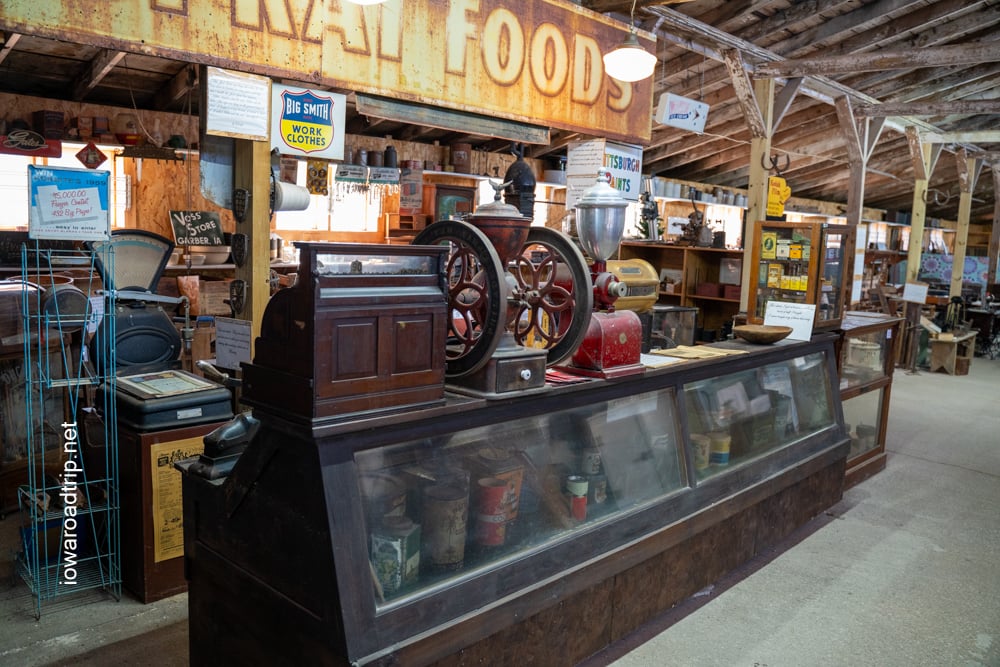
The George Maier Rural Heritage Center in Elkader is filled with objects once found in barns, kitchens, workshops, gas stations and small-town businesses across northeast Iowa.
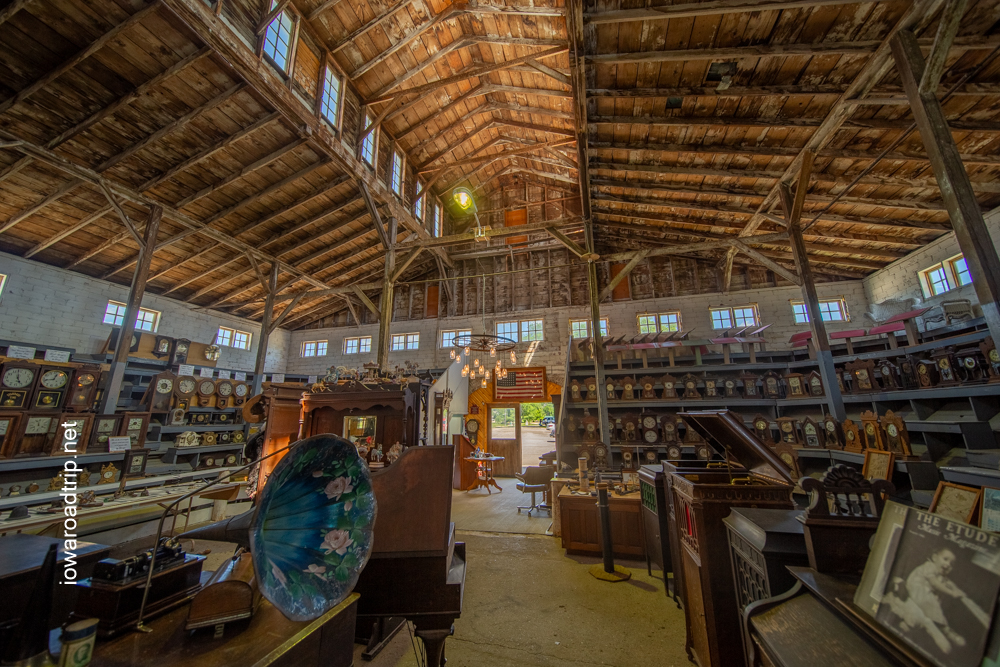
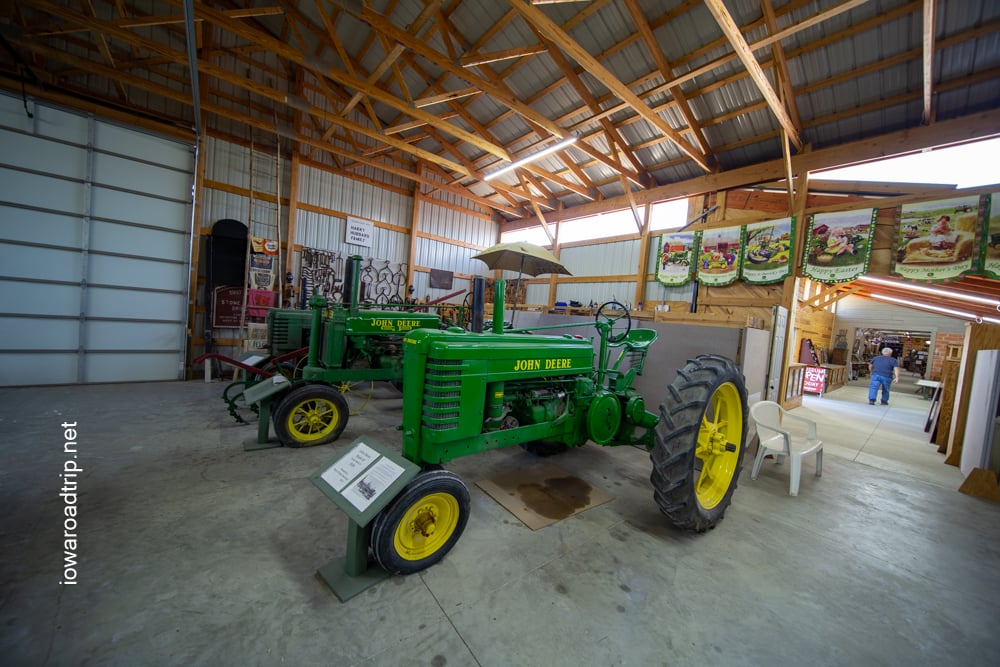
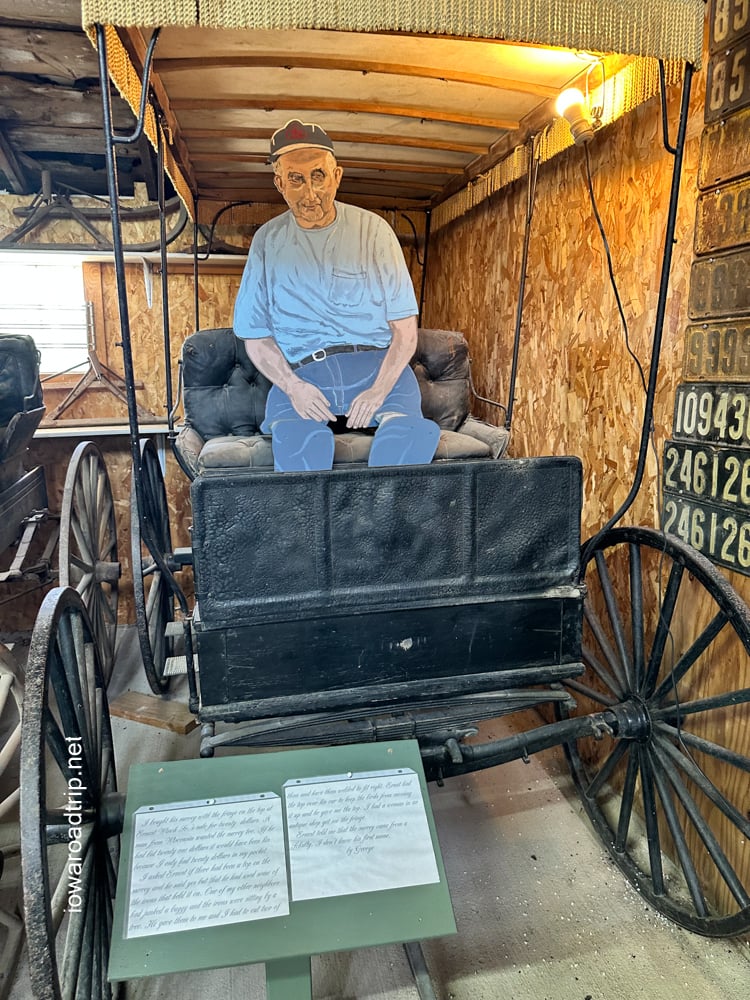
Early John Deere tractors, horse-drawn equipment and a restored Studebaker are among the largest attractions, but some of the most interesting pieces are much smaller. The collection includes hand tools, household appliances, advertising signs, musical instruments, photographs, automobile parts and more than 300 clocks.
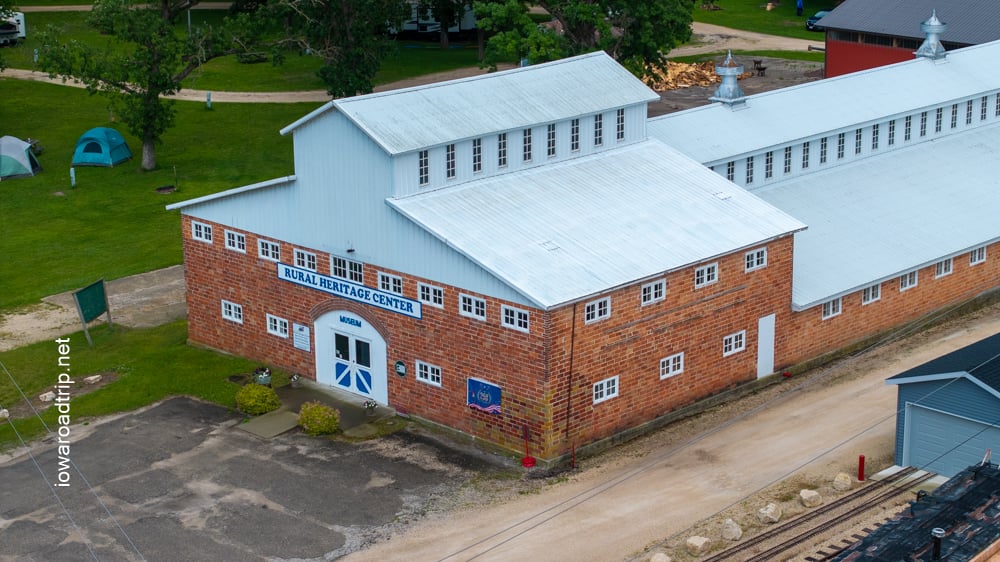
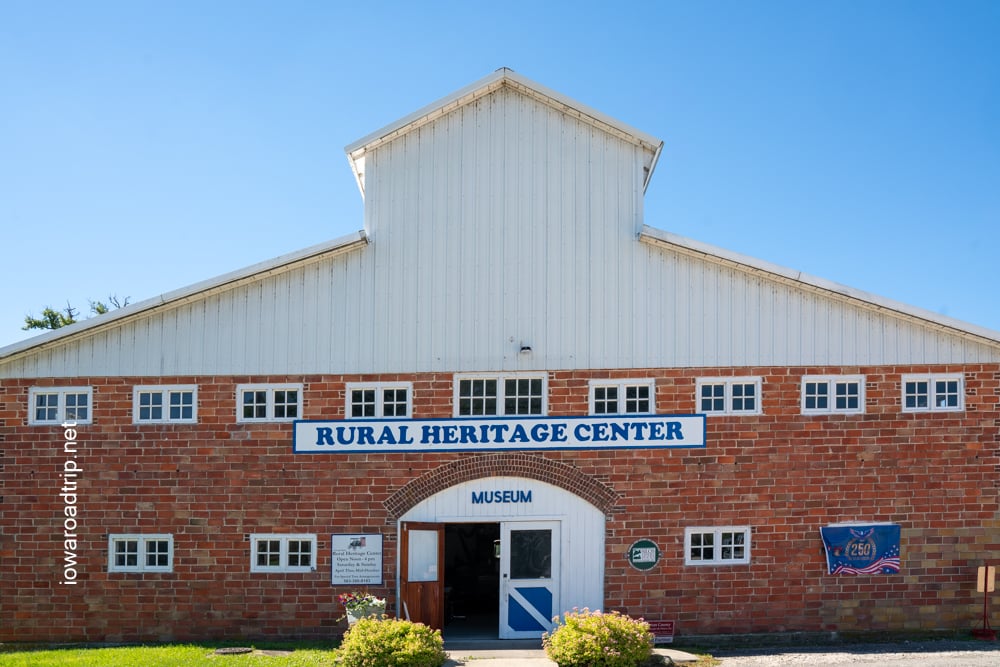
The museum itself is part of the story. It occupies a former livestock pavilion that later became the Elkader Sales Barn, where generations of area farmers gathered for auctions.
George Maier Rural Heritage Center Visitor Information
Address: 1000 Mascara Road, Elkader, Iowa
Phone: 563-245-2098
Admission: $5 for adults; children younger than 12 are free
Season: Generally open on weekends from May through mid-October
Allow: One to two hours
Accessibility: The museum is listed as accessible
Group tours: Available by appointment
Seasonal hours can vary, so check the center’s Facebook page or call before making a special trip.
A Museum Inside a Former Livestock Sales Barn
The building was constructed in 1919 as a livestock pavilion for the Elkader Fair. After the fair ended, it became the Elkader Sales Barn.
For decades, farmers brought cattle and other livestock here to be sold. The final auction was held in 1998, and the building later became home to George Maier’s collection.
That history gives the museum an appropriate setting. The exhibits are displayed inside a building that once played an active role in the local farming community.
Who Was George Maier?
George Maier was a Clayton County farmer who began collecting tools, machinery and household items after serving in World War II.
He attended auctions and farm sales throughout the region, often buying things others no longer considered useful. Over time, the collection grew to include tractors, tools, signs, furniture, musical instruments, license plates, photographs, clothing and household appliances.
Maier also knew how many of the objects worked and why they had once mattered. His collection became a record of rural life that was quickly disappearing.
Start With the Antique Farm Equipment
Some of the largest displays focus on equipment once used to plant, cultivate and harvest crops.
The collection includes early John Deere two-cylinder tractors, horse-drawn harvesting equipment and machinery from the period when engines were beginning to replace animal power.
You don’t need to know every make and model to appreciate the changes. Look at the seats, controls, wheels and exposed mechanical parts and compare them with the equipment used on Iowa farms today.
One very important note for this location: For every tractor on site, you are welcome to climb up into the driver’s seat for photos!
Look for George Maier’s Tractor
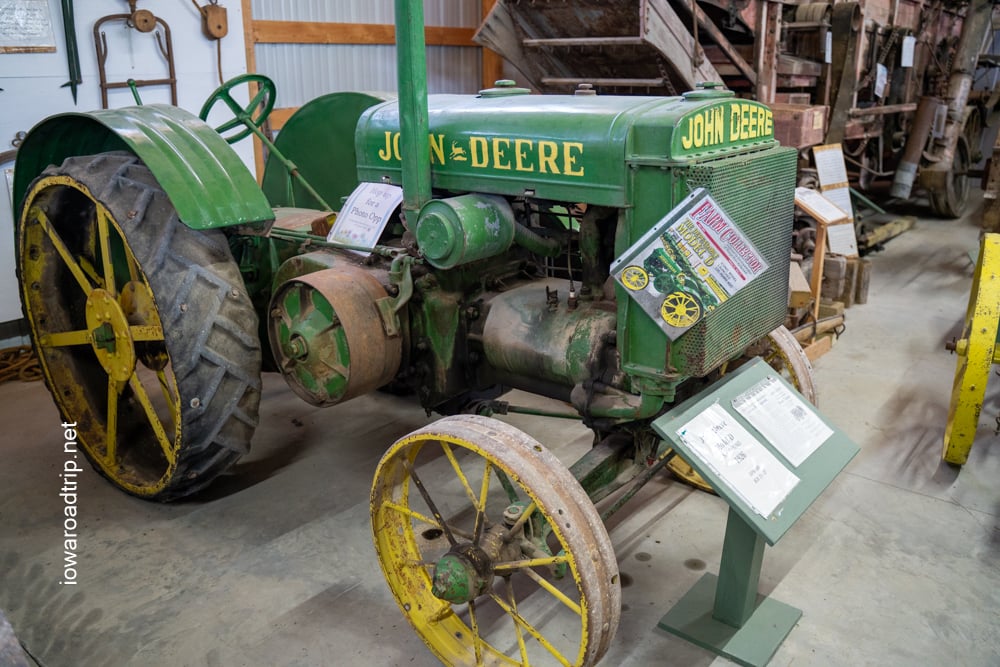
One of the most personal pieces in the collection is a John Deere Model B that Maier purchased after returning from World War II.
He reportedly bought it new in 1946 when he began farming on his own and kept the original bill of sale.
It connects the museum directly to Maier’s own farming career and the period when tractors were becoming increasingly important on Iowa farms.
See the Hit-and-Miss Engines
The museum also has a collection of hit-and-miss engines.
These small stationary engines once powered pumps, grinders, saws, washing machines and other equipment before electricity became common in rural areas.
They fired when power was needed and coasted when it wasn’t, creating the uneven rhythm that gave them their name.
Some machinery may be demonstrated depending on staffing and the day of your visit.
Slow Down for the Smaller Tools
The tractors may get most of the attention, but the smaller tools can be just as interesting.
Many were made for one very specific job. Once farming methods changed or a machine took over, the tool simply disappeared from everyday use.
Worn handles, repaired parts and homemade modifications offer clues about how often an object was used and how long people tried to keep it working.
If you don’t recognize something, ask a volunteer. Part of the fun is trying to guess what a tool was used for before hearing the answer.
Find More Than 300 Clocks
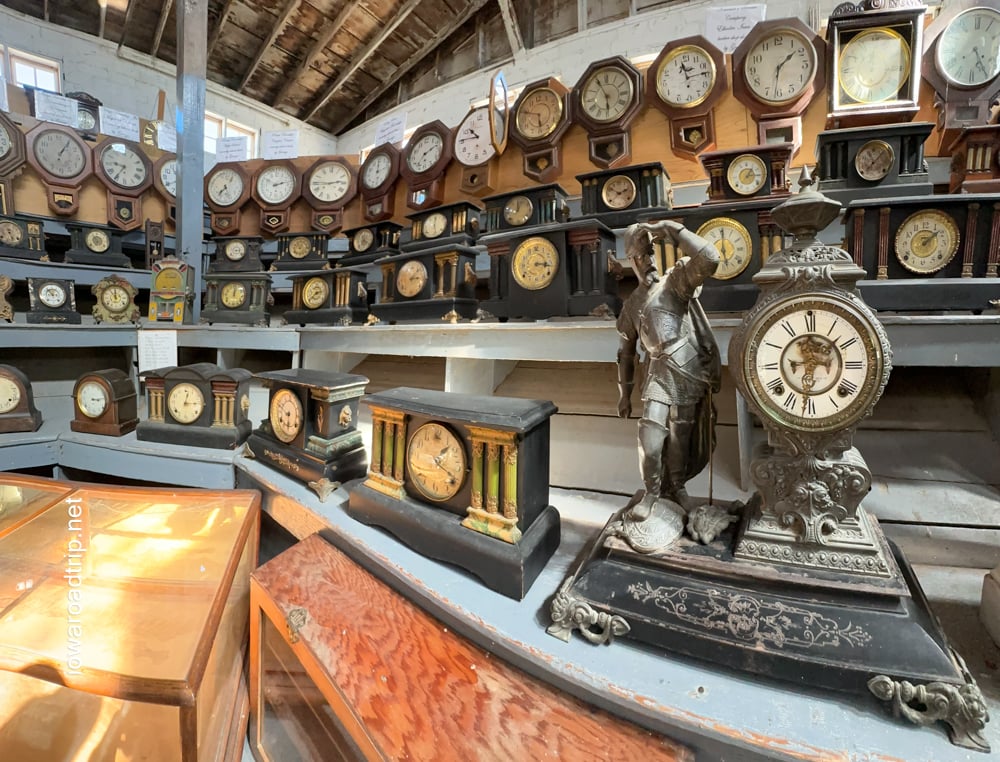
One of the biggest surprises is the collection of more than 300 clocks.
They range from practical household timepieces to decorative models in a variety of shapes and styles.
Maier reportedly kept many of them running when the collection was still located on his farm. Ask whether any are operating during your visit. A room full of clocks becomes much more noticeable when several are ticking or chiming at once.
See the Restored Studebaker
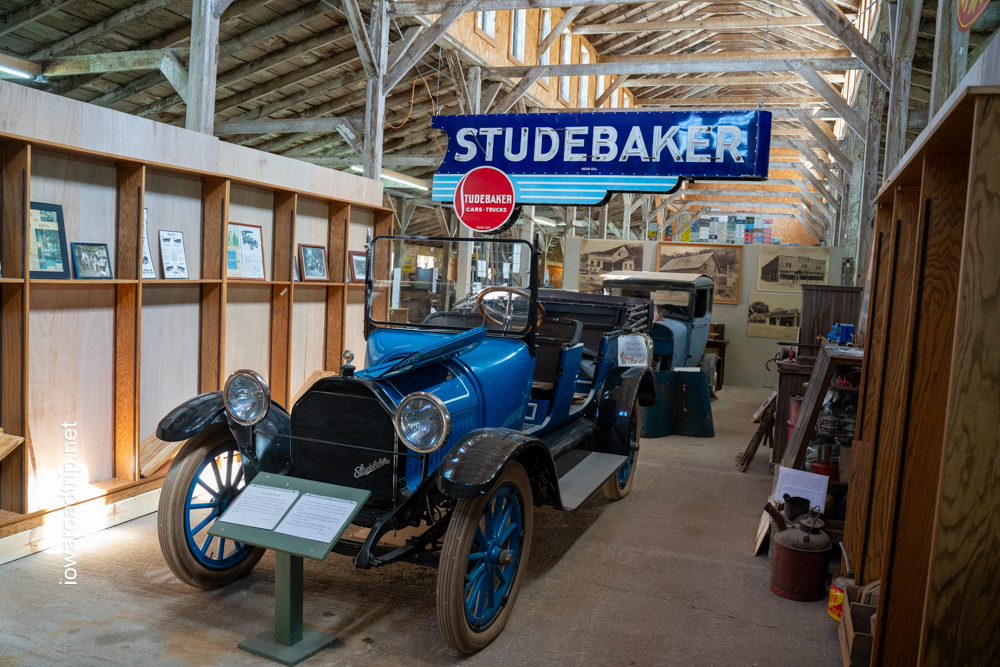
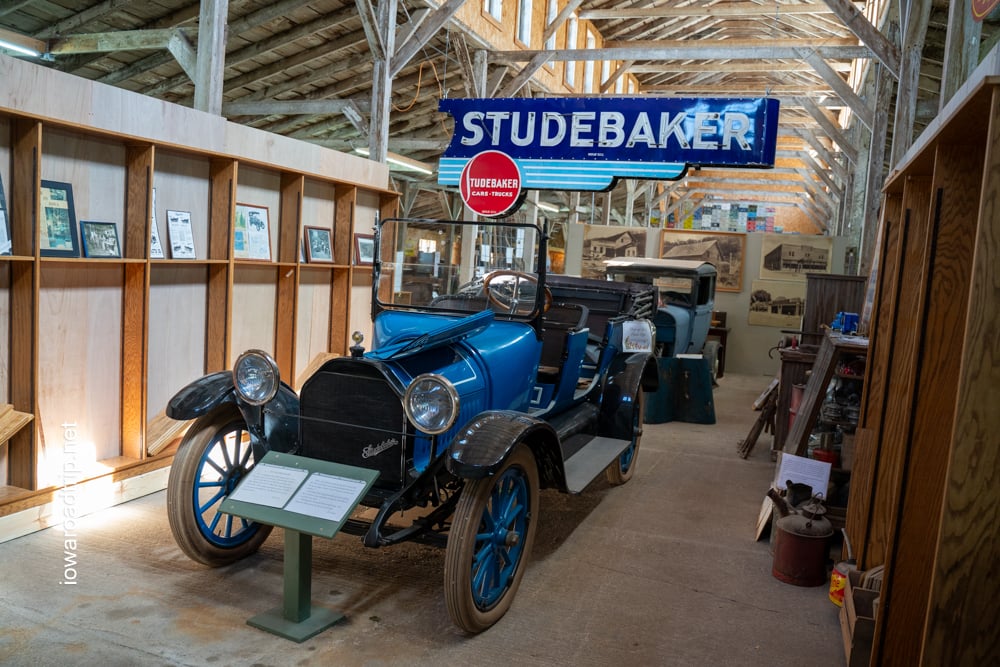
Automobile enthusiasts should look for the restored 1913 Studebaker.
The car adds another chapter to the museum’s story, showing how rural travel changed as automobiles became more common.
Nearby automobile parts, vintage signs and gas-station equipment help recreate the period when service stations were becoming familiar stops along Iowa roads.
Step Back Into an Early Gas Station
Vintage pumps, tools and signs show how gas stations evolved along with the automobile.
Early stations were places to buy fuel, but they also offered repairs, directions and a place to stop and talk.
Look for brand names that have disappeared, along with logos that are still familiar today.
Explore Everyday Life at Home
Not everything in the museum came from fields and barns.
The collection also includes furniture, kitchen utensils, laundry equipment, appliances and other household items used before modern conveniences became common.
These pieces show the amount of work once involved in cooking, cleaning, preserving food, washing clothes and heating a home.
Advertising, Photographs and Music
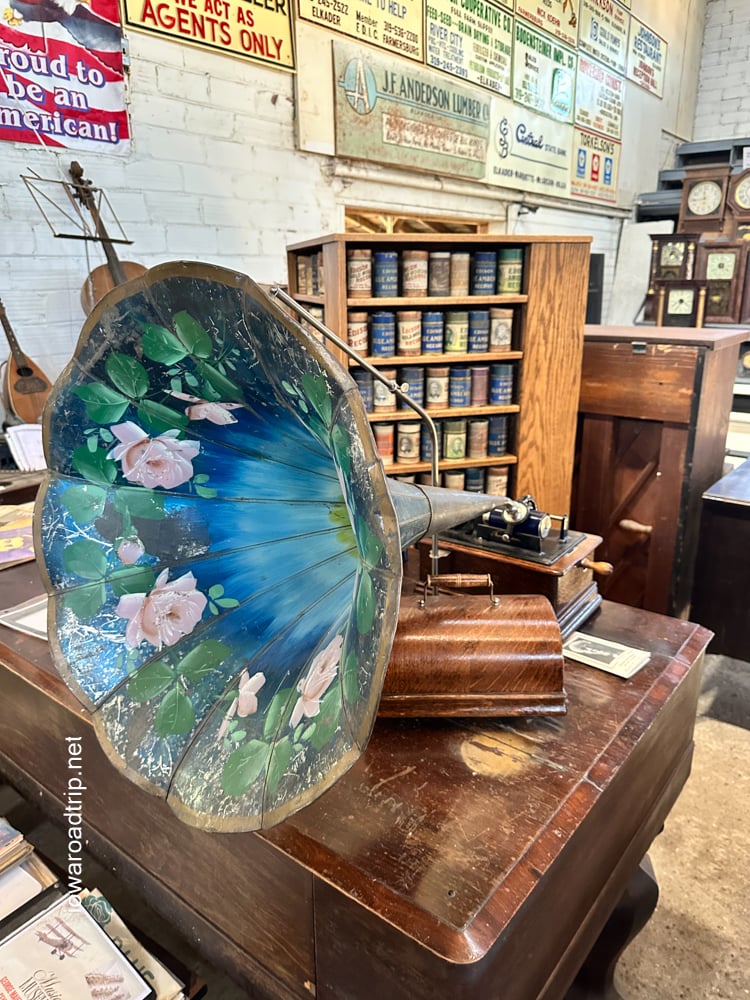
Old advertising signs add plenty of color to the museum and offer a glimpse at products and businesses once familiar in northeast Iowa.
Historic photographs help connect the equipment with the people who actually used it.
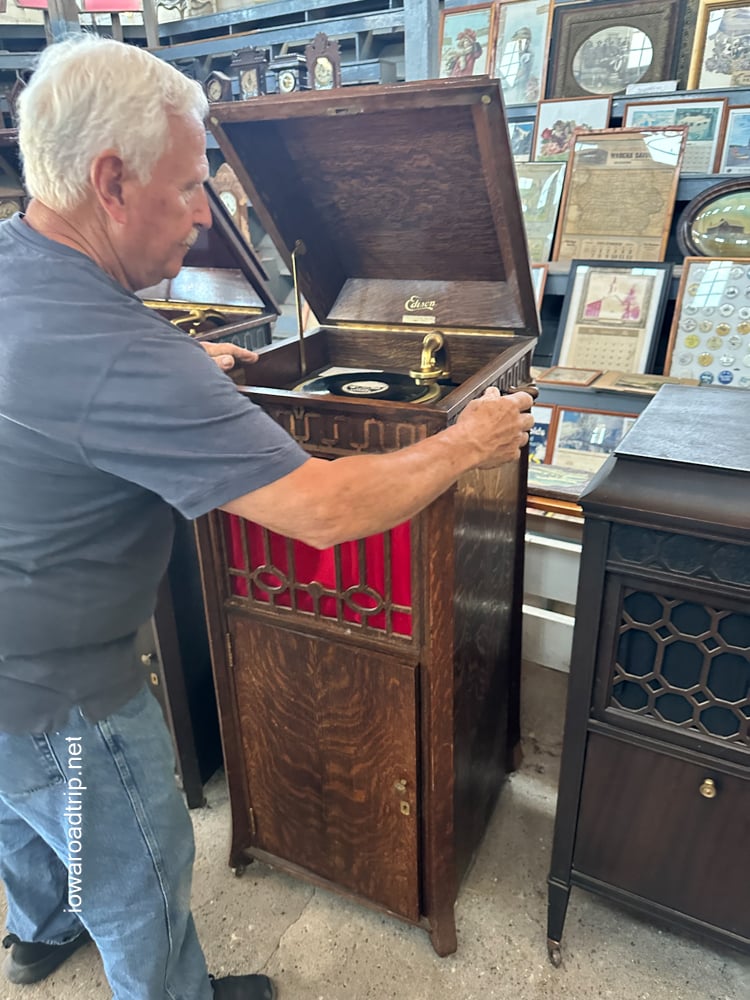
The collection also includes musical instruments and player pianos, which used perforated paper rolls to play music automatically.
Learn About George Maier’s Military Service
A newer exhibit explores Maier’s military service and includes uniforms representing branches of the United States military.
It adds another part of his story before he returned home, began farming and eventually built the collection that became the museum.
Talk With the Volunteers
This is the kind of museum where talking with a volunteer can add a lot to the visit.
Some pieces are easy to identify. Others may look like little more than gears, blades or metal rods until someone explains the job they once performed.
Volunteers may also know where a particular object came from or how it was connected to a local family.
How Much Time Should You Allow?
Allow about one hour to see the main tractors, engines, cars, clocks and household displays.
Visitors who enjoy old machinery or rural history may spend 90 minutes to two hours looking through the smaller pieces and talking with volunteers.
There are thousands of items on display, so there’s no need to study everything. Spend more time with the pieces that catch your attention.
Accessibility
The museum is listed as accessible, but detailed information about parking, entrances, seating, restrooms and aisle widths is limited.
Visitors with specific mobility needs may want to call ahead for current details.
Make It Part of an Elkader Road Trip
The George Maier Rural Heritage Center is near Elkader City Park and the municipal campground.
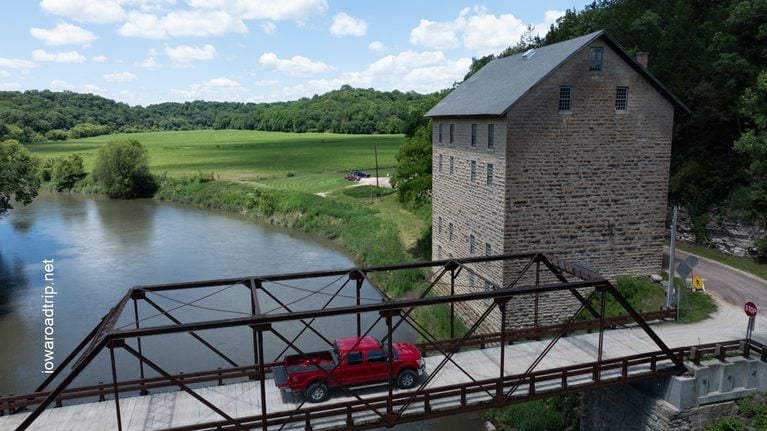
Nearby stops include downtown Elkader, Keystone Bridge, Carter House Museum, Elkader Opera House, Earthmoving Legacy Center, Motor Mill Historic Site and Osborne Nature Center.
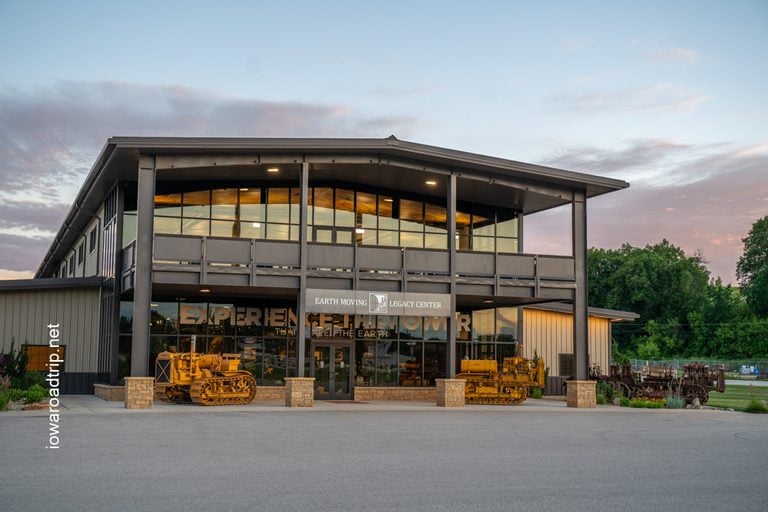
The George Maier Center pairs especially well with the Earthmoving Legacy Center.
Earthmoving Legacy focuses more heavily on construction equipment and Caterpillar history, while the George Maier collection covers a broader range of farm life, automobiles, household work and small-town businesses.
Is the George Maier Rural Heritage Center Worth Visiting?
If you like a museum where you can actually touch things – this place needs to be on your list. You are climb into the drivers seat of all the tractors and even the Studebaker car! All the music boxes you can open and explore.
The collection covers nearly every part of rural life, from planting crops and repairing machinery to cooking meals, washing clothes, driving into town and listening to music.
What makes it especially interesting is that so many of these everyday objects could have easily been lost.
George Maier kept them, and together they offer a look at how people lived and worked in rural Iowa before many of those jobs, tools and routines disappeared.