Backbone State Park: What to See and Do at Iowa’s First State Park
You can drive through miles of farmland in northeast Iowa and think you know what the landscape ahead will look like. Then the road drops into Backbone State Park, where wooded hills, rocky ridges and a clear, fast-moving stream replace the open fields.
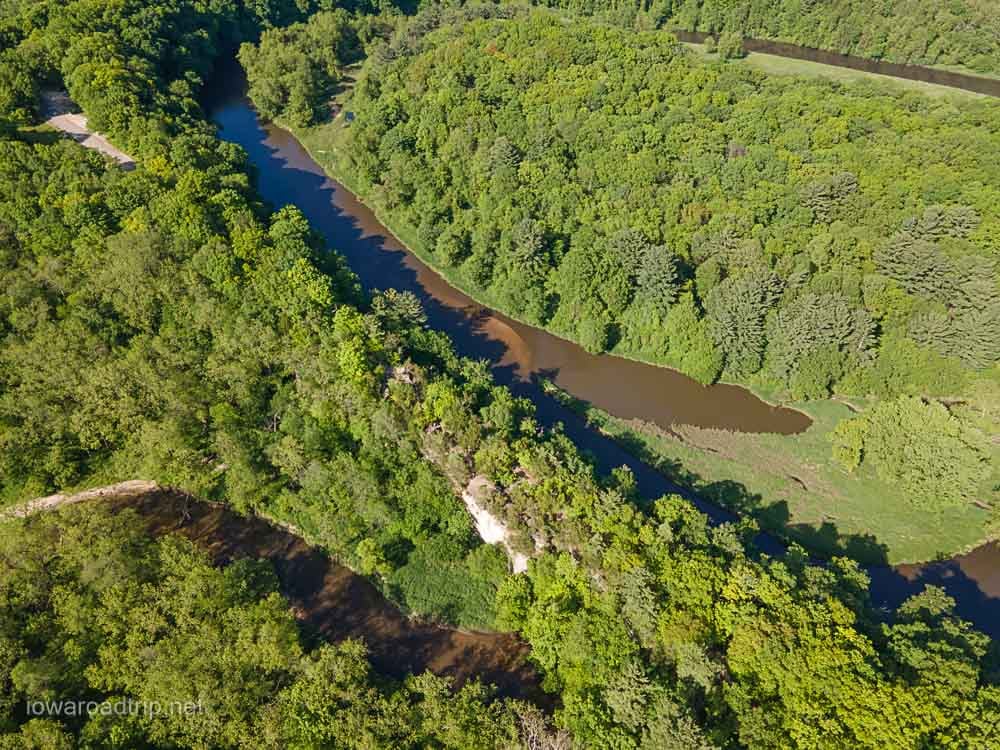
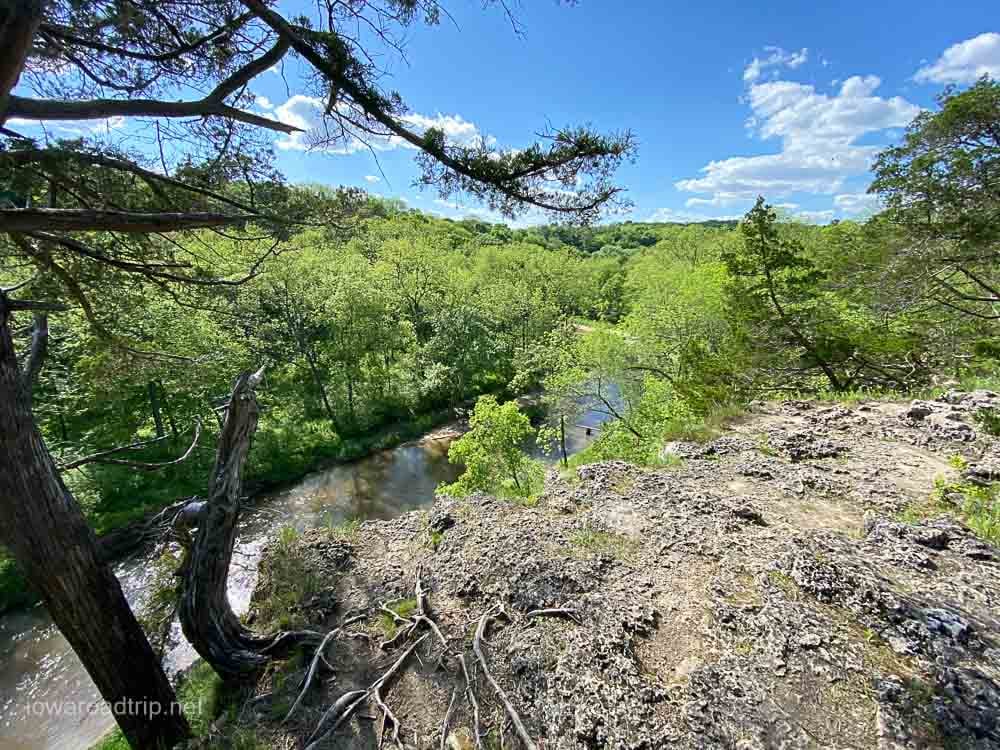
Backbone State Park was dedicated in 1920 as Iowa’s first state park. Its name comes from the Devil’s Backbone, a steep and narrow ridge of bedrock carved by a loop of the Maquoketa River. In places, the ridge is only about as wide as a car, with the river valley falling away on both sides.
Located near Dundee and Strawberry Point, the park sits within northeast Iowa’s Driftless Area. This corner of the state was missed by the most recent glaciers, leaving behind exposed bedrock, wooded valleys and rugged terrain that feels very different from much of Iowa.
Whether you come for one hike, a day of exploring or a weekend in a cabin, Backbone is one of those parks that deserves more time than you might expect.
Backbone State Park quick facts
- Address: 1347 129th St., Dundee, Iowa 52038
- Size: 2,001 acres
- Established: 1920, making it Iowa’s first state park
- Trails: 21 miles of multi-use trails
The park is next to the 186-acre Backbone State Forest, which has pine plantations and upland hardwood forest. The forest has separate rules and permitted activities, so check the Iowa DNR’s Backbone State Forest page if you plan to explore beyond the state park.
Hike the Devil’s Backbone
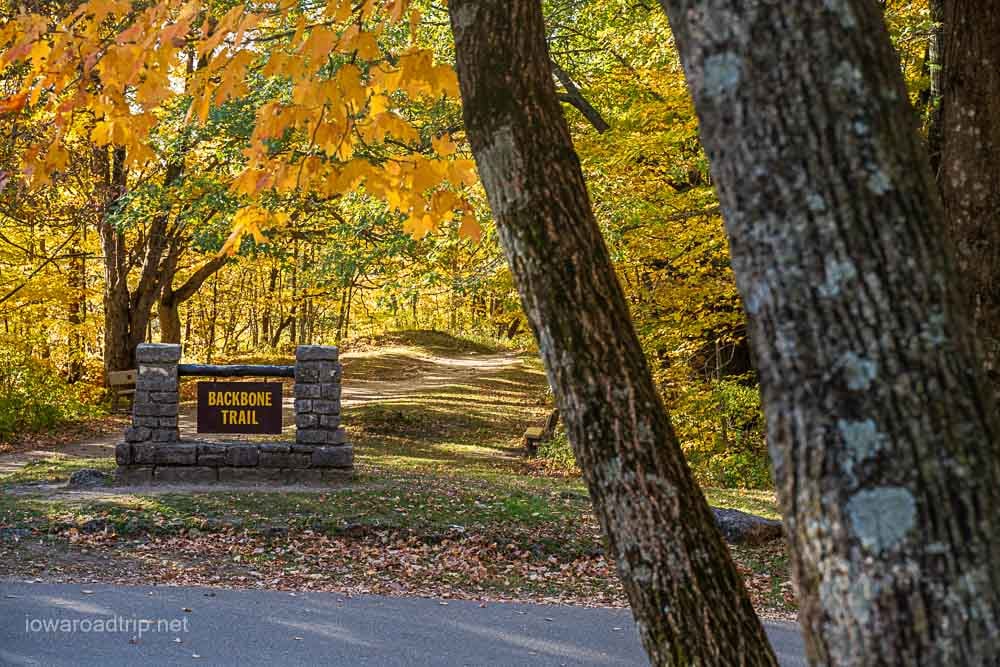
If you have time for only one trail, make it the Backbone Trail.
The trail follows the top of the narrow bedrock ridge that gave the park its name. The Maquoketa River bends around the ridge below, creating elevated views through the trees and some of the park’s best photo opportunities.
Work on the trail began in late 1933 as part of the Civilian Conservation Corps development of the park. Today, the route still has the rough stone steps, rocky surfaces and rugged character that make it feel different from a typical walk in an Iowa park.
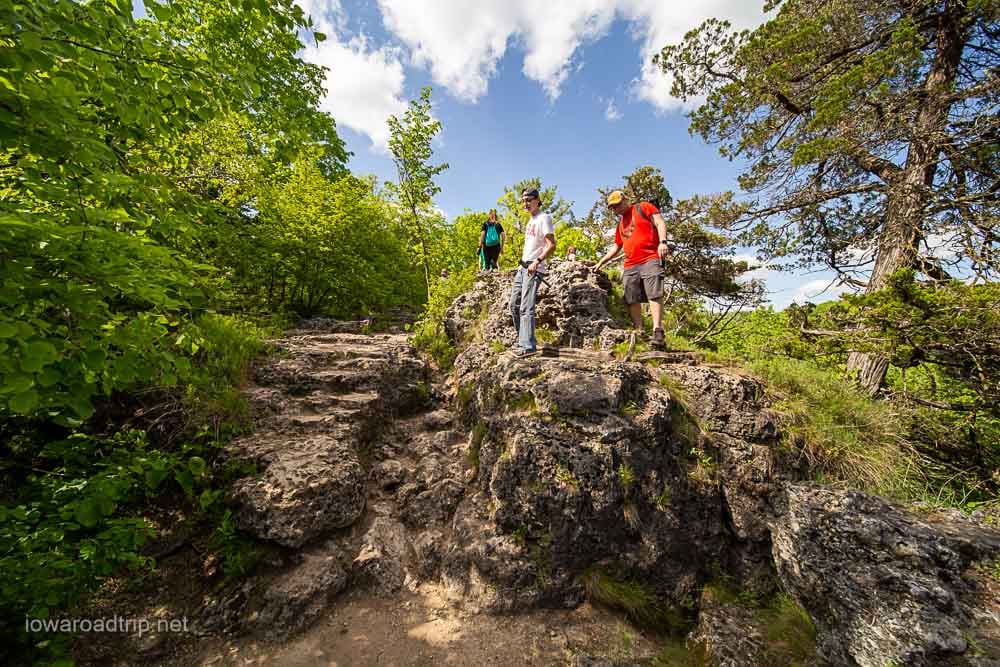
I’d consider it a moderate hike for most visitors. It isn’t especially long, but there are uneven rocks, narrow areas and places where you may use your hands for balance. Wear shoes with good traction and take extra care when the rocks are wet.
For a first visit, this is the must-do hike. It combines the scenery, geology and CCC history that make Backbone special.
Visit Richmond Springs and Backbone Cave
Richmond Springs is near the north end of the park. The natural spring releases cold, clear water that feeds Fenchel Creek and helps support the park’s trout fishery.
The Civilian Conservation Corps enclosed the spring between 1934 and 1935, then built a separate waterway to help protect it from overflow. It’s an easy stop that doesn’t require a long hike, making it a good choice for families or anyone who wants to see one of the park’s natural highlights without committing to a longer trail.
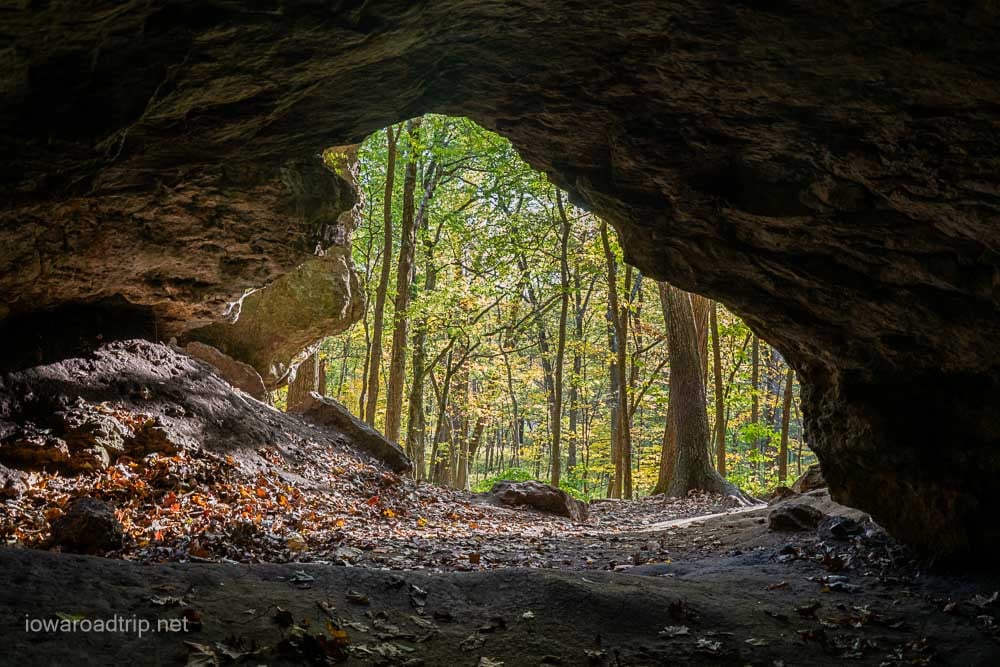
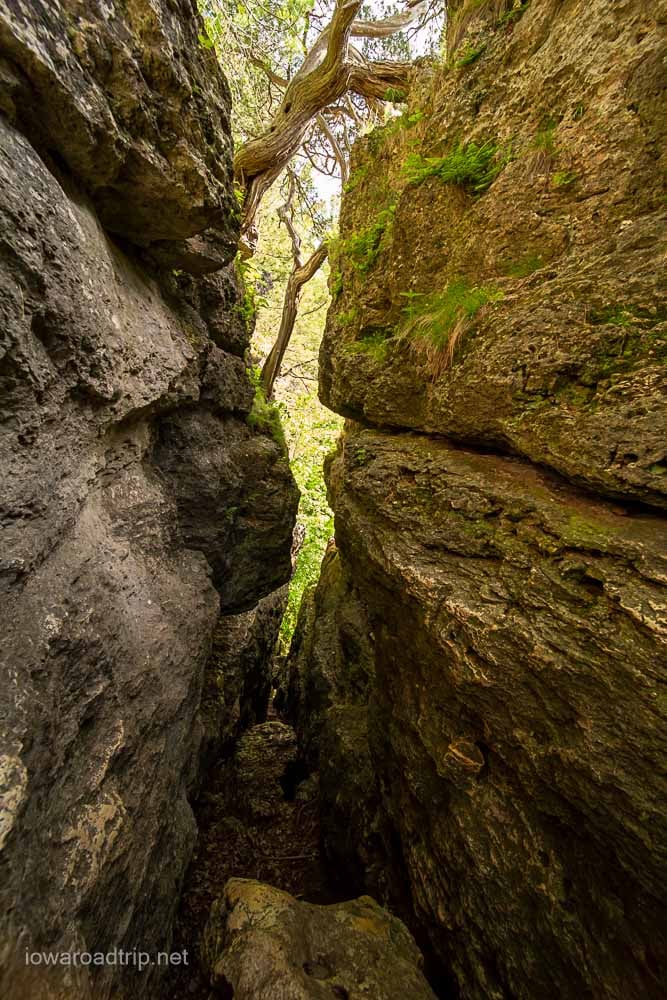
Backbone Cave is also in the northern part of the park. Reaching and entering the small cave involves uneven ground and a bit of climbing. Conditions can be wet and muddy, even when the weather outside has been dry. Bring a flashlight, wear shoes that can get dirty and turn around if the footing or tight spaces make you uncomfortable.
This isn’t a developed show cave. It’s a natural feature, so expect a short, rugged adventure rather than railings, lights and paved access.
Spend time at Backbone Lake
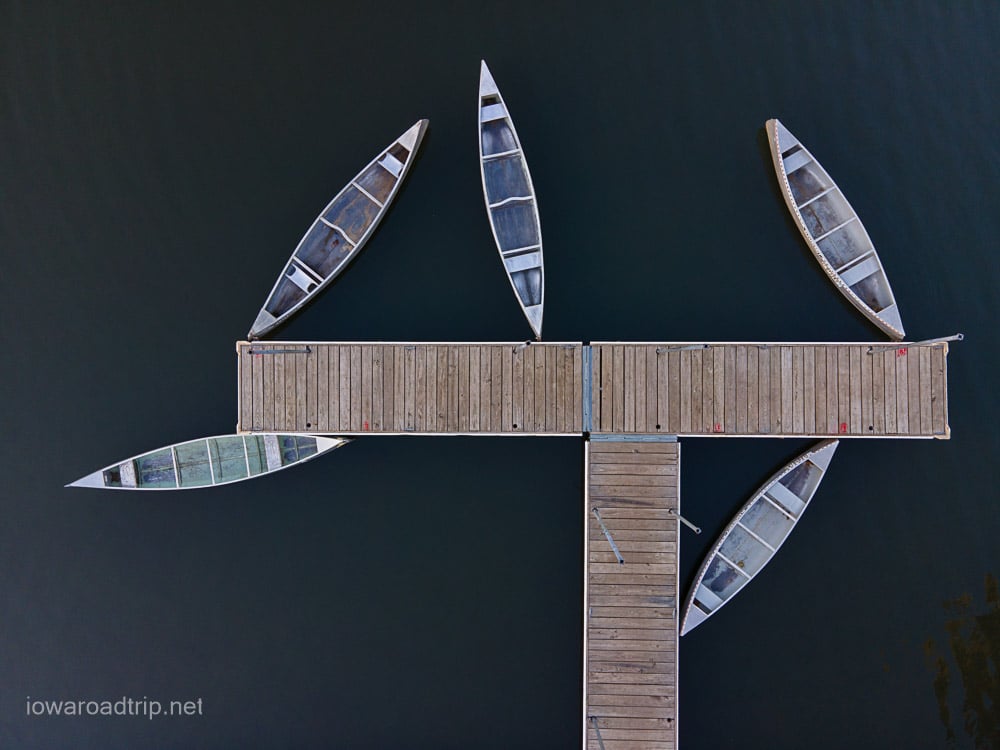
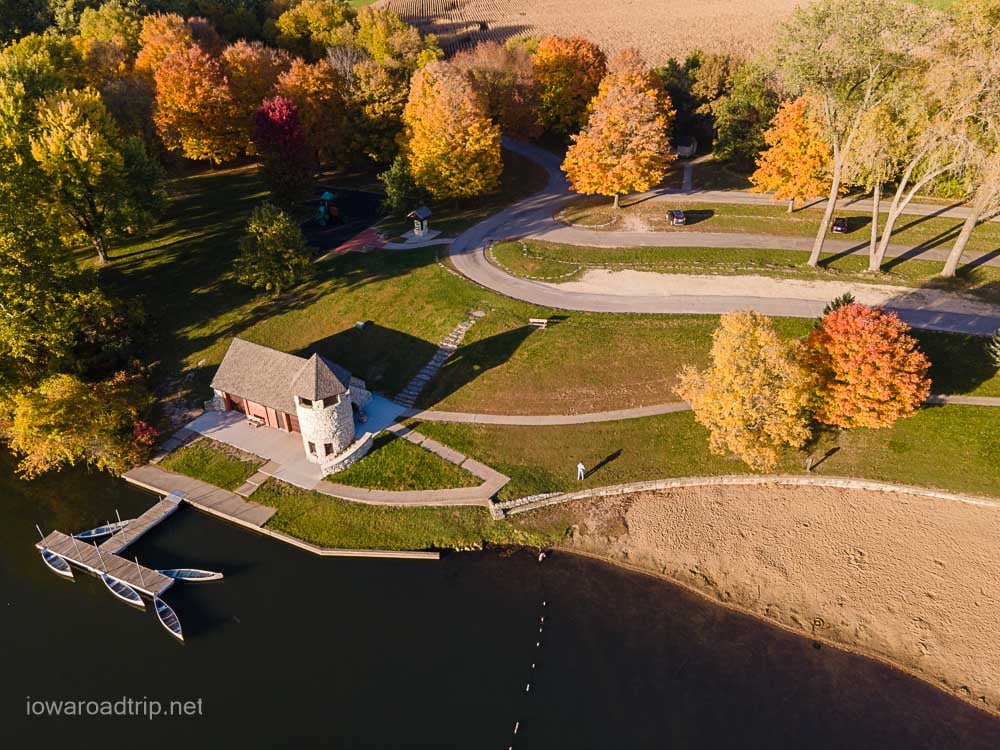
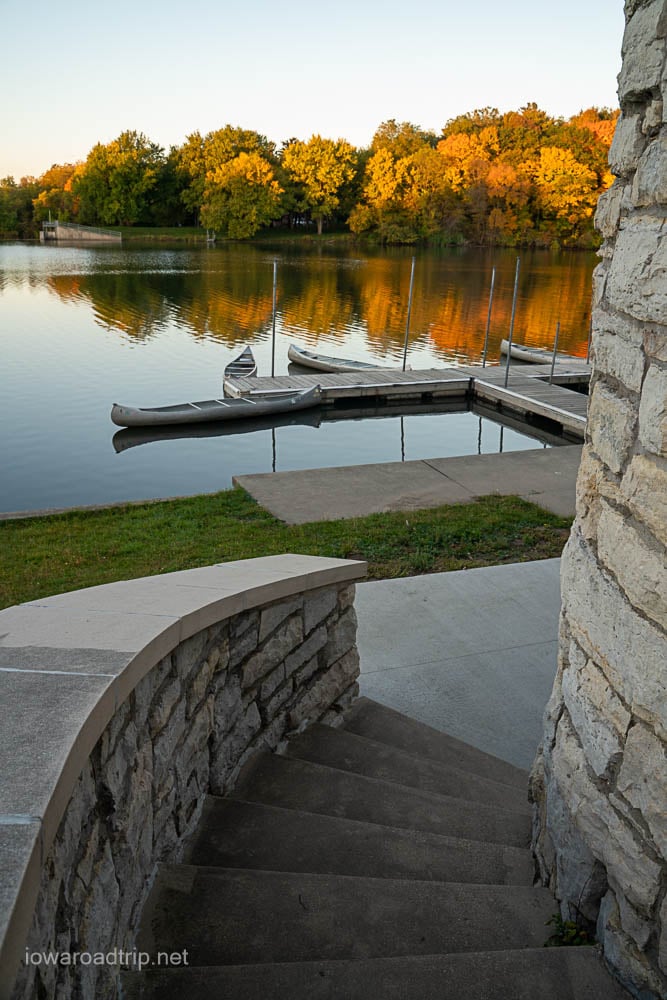
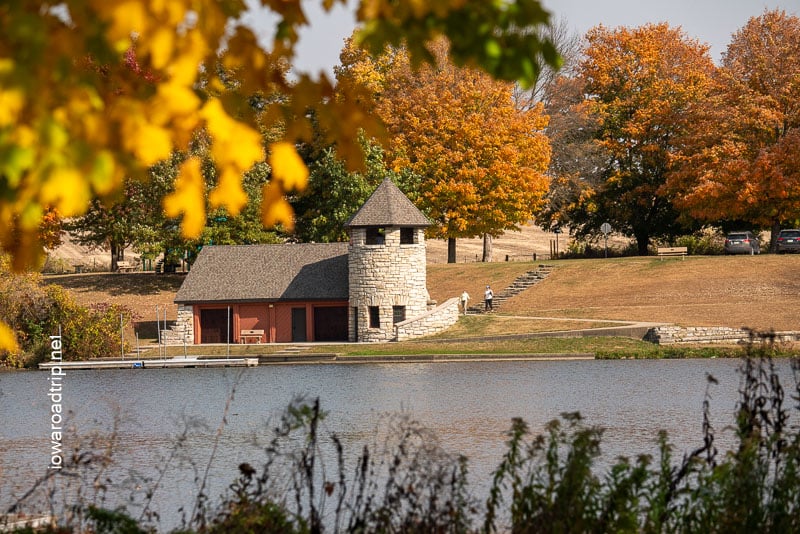
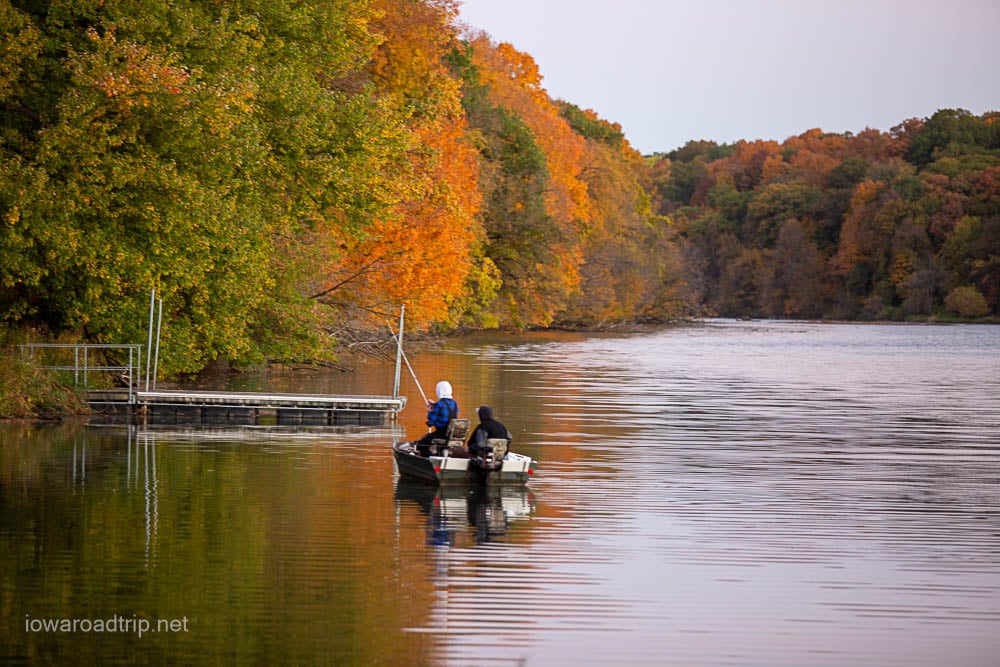
Backbone Lake covers about 125 acres and was created by a dam built by the CCC during the 1930s. The lake adds a completely different experience to the park, with a swimming beach, fishing, boating and historic stone structures along the shoreline.
Only electric motors are allowed on the lake. Kayaks, canoes and paddle boats are available to rent from the park concessionaire during its operating season. A boat ramp is located near the southwest end of the lake.
The East Lake Trail is one of the best ways to combine lake views with the park’s rocky terrain. The roughly 2.2-mile trail begins near the lake and climbs toward the Backbone ridge. Along the western portion, the path runs between the water and an exposed rock face. Expect moderate terrain, with some hills and uneven surfaces.
Swimming is allowed at the designated beach. Before getting in the water, check the Iowa DNR beach monitoring dashboard. The state monitors beaches during the main summer recreation season for bacteria and blue-green algae toxins, and conditions can change from week to week.
Go trout fishing in Fenchel Creek
The cold water flowing from Richmond Springs feeds Fenchel Creek, a clear, quick-moving trout stream in the northern part of the park. The stream is known for trout fishing, and its shaded banks make this one of the prettiest areas of Backbone even if you never cast a line.
Fenchel Creek supports a wild trout population, and the water is often clear enough to spot fish holding in pools. Seeing them doesn’t mean they’ll be easy to catch.
Backbone also offers one of the more accessible trout-fishing locations in the state park system. A paved, 0.1-mile path follows part of the stream and includes several concrete fishing bump-outs. Accessible parking is nearby.
Anglers need a valid Iowa fishing license and the required trout fee. Check the current regulations and stocking information before your trip.
Look for the park’s CCC history
Much of what visitors recognize as Backbone State Park was shaped by the Civilian Conservation Corps between 1933 and 1942. CCC crews built roads, trails, stone steps, dams, cabins, shelters, the bathhouse and the boathouse. Their work was designed to use local materials and blend into the surrounding landscape.
The Backbone State Park Historic District is listed on the National Register of Historic Places. You don’t need to follow a formal history tour to see the CCC’s influence. It appears throughout the park in the stonework, buildings and trails.
The Iowa Civilian Conservation Corps Museum is near the west gate. It shares the story of the CCC and its work in Iowa’s state parks. The museum is generally open Friday through Sunday from noon to 4 p.m., from mid-May to mid-October. Special tours may be available by contacting the park office.
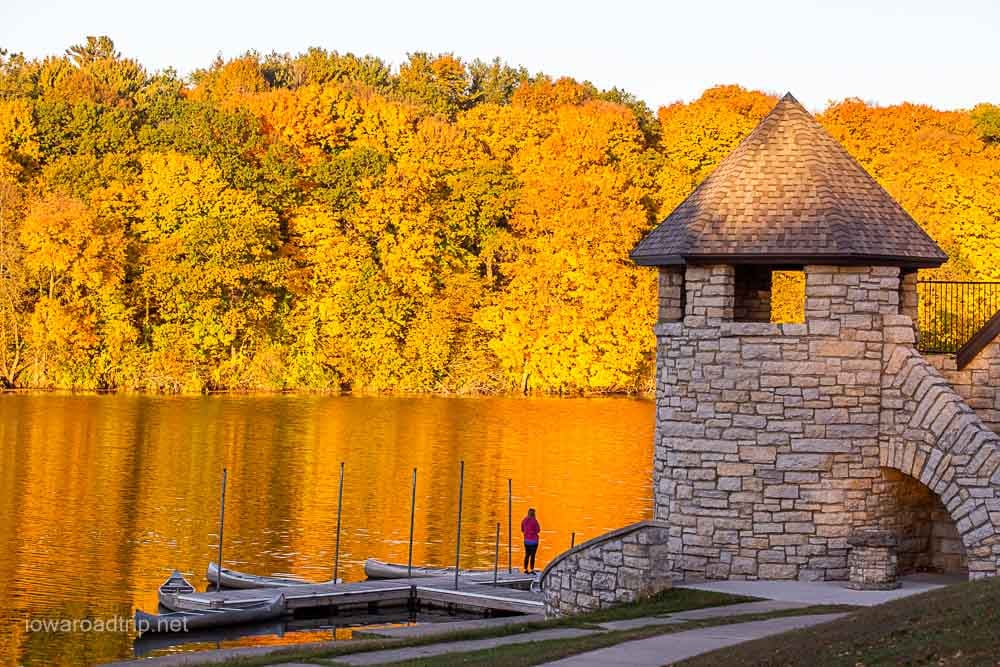
The Stone Lodge is another worthwhile stop. It overlooks the lake and is available to rent for reunions, weddings and other gatherings. Even if you aren’t attending an event, the lodge and surrounding lake views are worth seeing and photographing.
A 430-million-year-old Iowa landscape
Backbone’s rock formations began taking shape about 430 million years ago, when the area that is now Iowa was covered by a shallow tropical sea. Layers of lime sediment eventually became the Silurian-age dolomite exposed throughout the park.
Look closely and you may find evidence of that ancient sea preserved in the rock. Fossils include corals, sponge-like stromatoporoids and molds left by brachiopod shells. Some layers contain so many brachiopod molds that geologists call them the Pentamerus Beds.
Water continues to shape this landscape. As it moves through cracks in the dolomite, it creates caves, springs, sinkholes and other karst features. The narrow Backbone ridge, exposed cliffs and clear springs are all parts of the same geologic story.
You can learn more from the Iowa Geological Survey’s guide to Backbone State Park.
Best trails for a first visit
Backbone has 21 miles of trails, but you don’t need to cover all of them to get a good feel for the park.
Backbone Trail
Choose this trail for the park’s signature ridge-top experience, rocky terrain and elevated views. It’s the first trail I’d recommend to a new visitor.
East Lake Trail
This roughly 2.2-mile route combines lake views, exposed rock and a climb toward the Backbone ridge. It’s a good option when you want a longer hike with varied scenery.
West Lake Trail
The West Lake Trail provides another way to explore the wooded shoreline and connect with other trails around the lake.
Barred Owl and Bluebird trails
These trails are among the routes designated for mountain biking. East Lake and West Lake are also listed by the Iowa DNR as mountain biking trails. Check trail conditions before riding, especially after rain.
Allow at least three to three and a half hours to see several highlights without rushing. Give yourself a full day if you want to complete more than one hike, visit the museum, explore the lake area and spend time at Richmond Springs. Trailheads are marked, but several routes connect, so keep the park map handy.
Camping and cabins at Backbone State Park
Staying overnight gives you more time to explore the park before the busiest part of the day.
Backbone’s popular four-season cabins are the most comfortable option, but they can fill well in advance. Several are accessible. If a cabin stay is important to your trip, reserve early.
South Lake Campground has electric and non-electric sites, shower buildings, a playground and a dump station. Six Pine Campground, near the west entrance, offers a more primitive experience with non-electric sites and pit latrines.
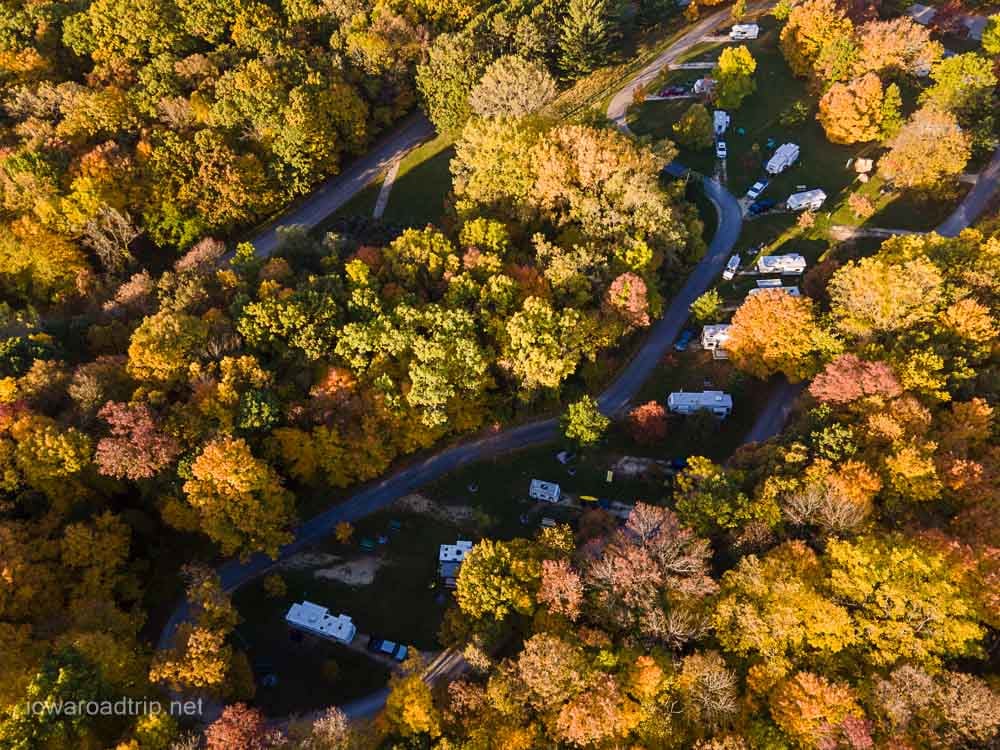
The campgrounds are 100 percent reservable, and a reservation is required. Use the Iowa State Parks reservation system to check availability and current site details.
Planning note for 2027: The Iowa DNR currently lists Backbone’s 16 cabins and the Beach Lodge as unavailable from January 4 through May 31, 2027, because of a wastewater project. Check the park alerts page before making plans, since construction schedules can change.
Is Backbone State Park worth the drive?
Backbone offers something few Iowa destinations can match in one place. You can walk across a narrow bedrock ridge, explore a small cave, photograph historic CCC stonework, paddle on a lake and watch trout in a spring-fed stream, all within the same park.
For a first visit, start with the Backbone Trail, Richmond Springs and the lake area. Those three stops provide a good introduction to the scenery, geology and history that have drawn people here for more than a century.
Save this guide for your next northeast Iowa road trip, and share it with someone who loves exploring Iowa’s state parks.
Have you hiked, camped or stayed in a cabin at Backbone State Park? What would you tell someone planning their first visit?