A Real Mummy and 250,000 Artifacts: A Day at the Putnam Museum
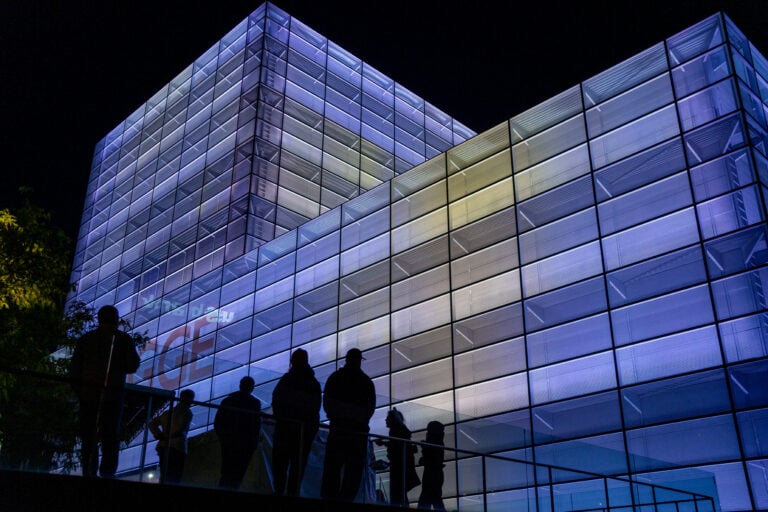
Some museums specialize. The Putnam Museum and Science Center does not.

In a single building at the corner of 12th and Division in Davenport, you can walk from a real Egyptian mummy to a savanna diorama of rhinos and giraffes, then into a hands-on science floor with wind tubes and light experiments, then past floor-to-ceiling glass cases holding thousands of the museum’s collection pieces. It’s the kind of place that draws over 140,000 visitors a year, including more than 30,000 students on school trips, and it’s easy to see why once you’re inside.

I spent about two hours there and still didn’t make it to everything.
Quick visitor information
Putnam Museum and Science Center
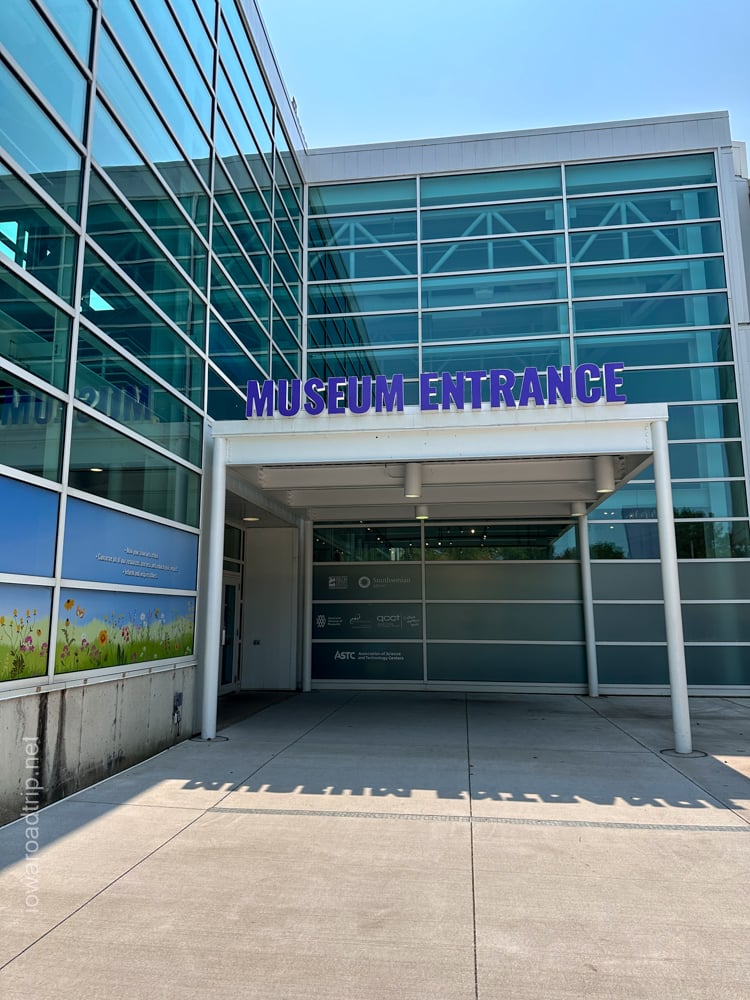
Address: 1717 W. 12th St., Davenport, Iowa 52804
Museum hours:
- Monday–Saturday: 10 a.m.–5 p.m.
- Sunday: Noon–5 p.m.
GIANT Screen Theater: Add a movie ticket to admission for $5, or purchase separately ($9 adult / $8 senior-student-military / $8 youth)
Closed: New Year’s Day, early January maintenance week, Easter Sunday, Thanksgiving, Christmas Eve (early close), Christmas Day
Website: putnam.org
One museum, several worlds
Walking in, the sheer range of the place is the first thing that stands out.
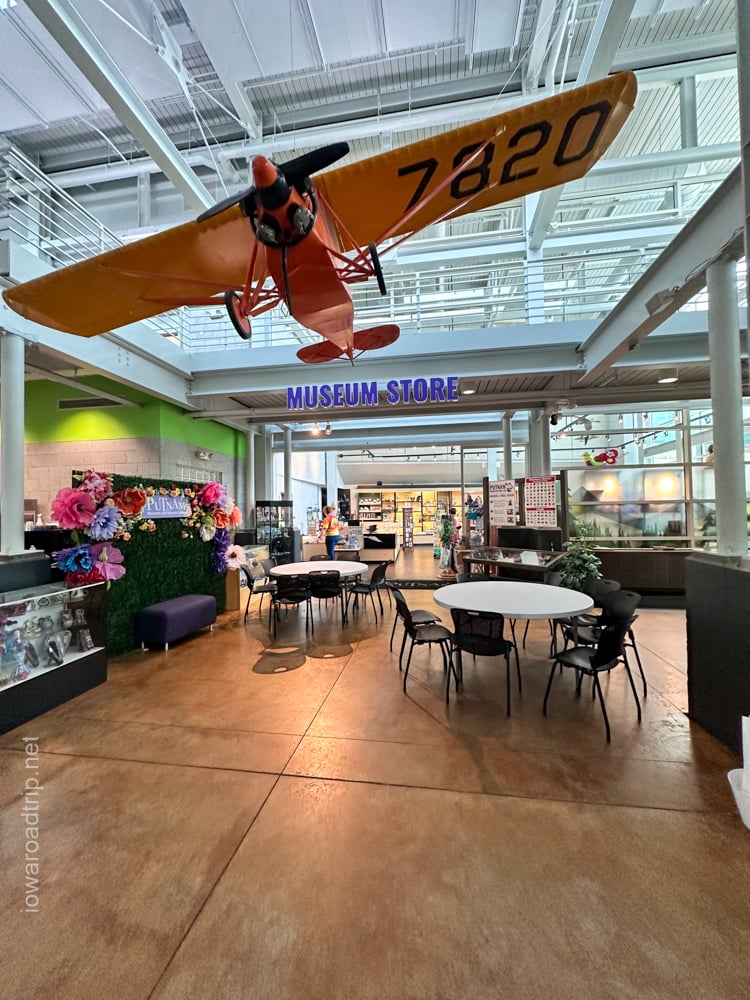
The Putnam is organized into a handful of major areas: a Science Center focused on hands-on exhibits, a Natural World wing covering mammals and regional ecology, a History and Culture wing anchored by Ancient Egypt and the museum’s broader collection, and a GIANT Screen Theater showing large-format documentaries. In two hours, I made it through the Science Center, Natural World, and History and Culture sections. The GIANT Screen was the one thing I skipped, mainly because it requires a separate ticket rather than being included with general admission, and I hadn’t planned for it ahead of time.
If you’re budgeting time for your own visit, that’s worth knowing upfront: general admission gets you the exhibits, but the theater is its own line item.
Unearthing Ancient Egypt
Of everything I saw, this was the section that stuck with me the most.
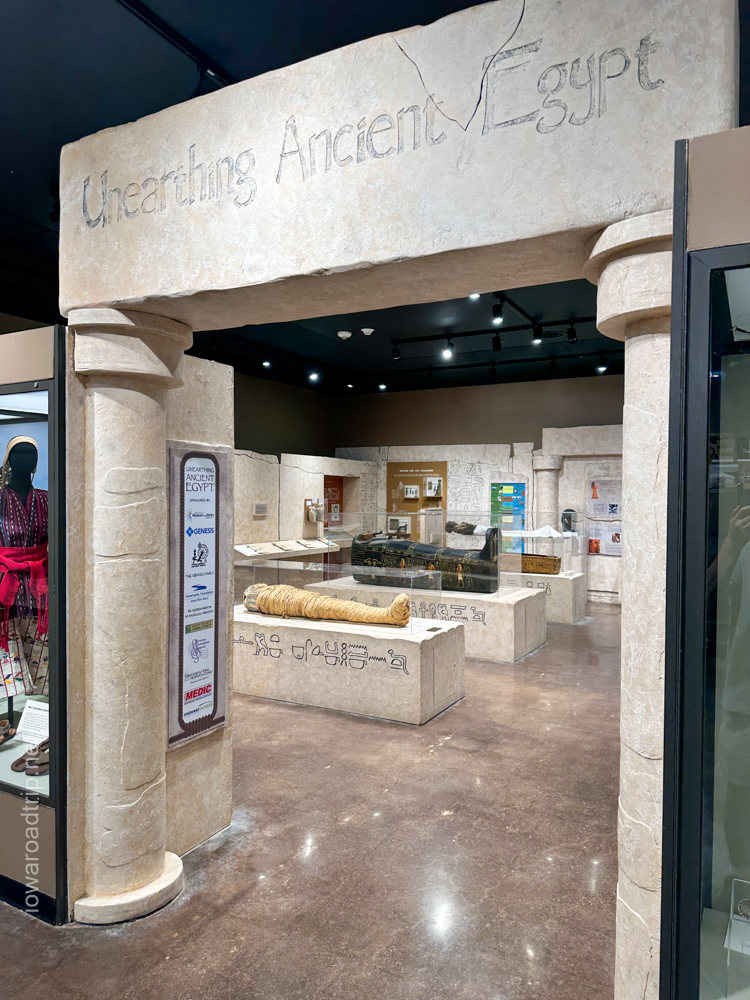
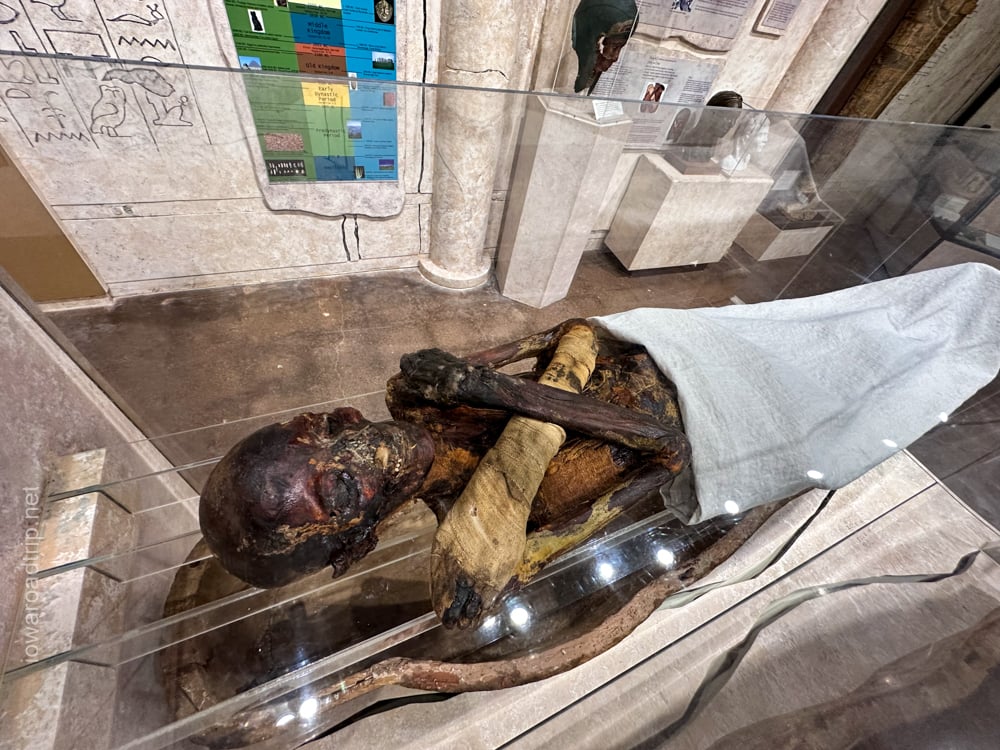
The Unearthing Ancient Egypt exhibit includes an actual mummy, not a replica, along with a genuinely well-curated set of authentic artifacts. The presentation itself matched the material: dim, focused lighting, stone-toned architecture built into the gallery walls, and display cases that gave each piece room to be examined rather than crowding everything together.
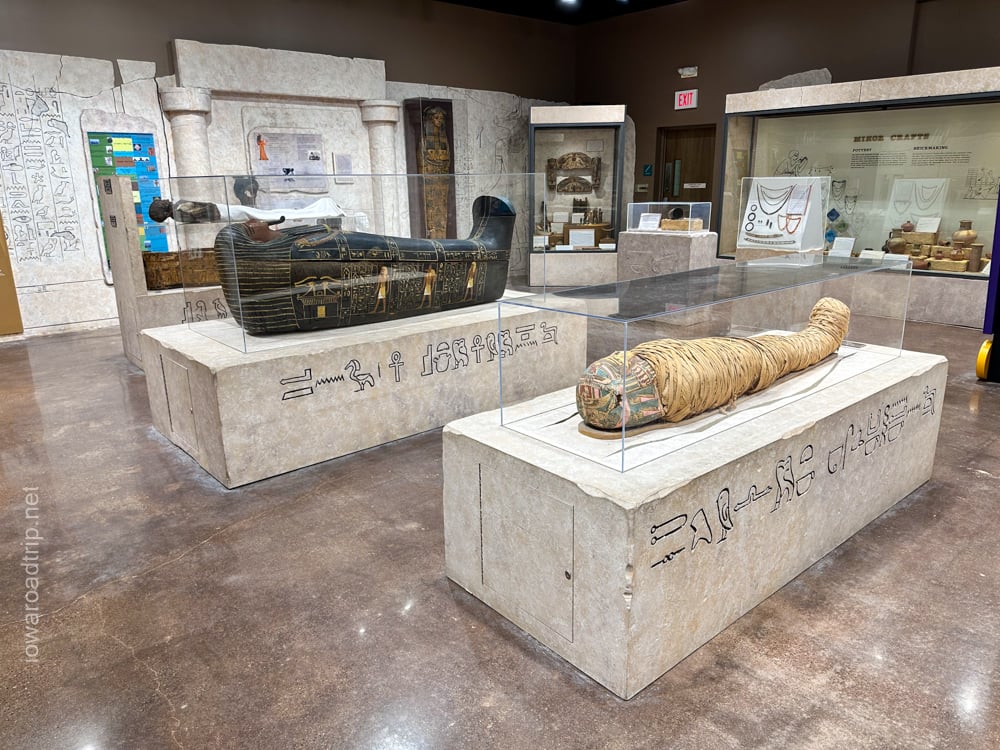
The museum also offers a Mixed Reality VR add-on tied to this exhibit, though I didn’t try it myself. Between the real mummy and the quality of the surrounding artifacts, the exhibit didn’t need an add-on to feel substantial.
The Vault: walking among 250,000 objects
If Ancient Egypt was the most memorable single exhibit, The Vault was the most unusual concept in the building.
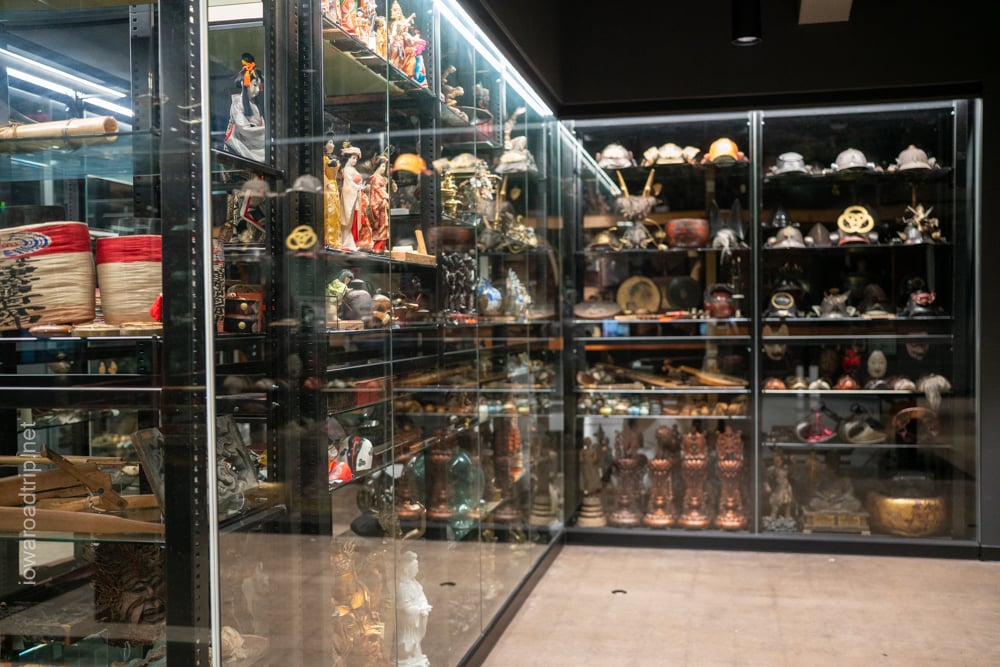
Rather than storing the bulk of its 250,000-item collection in a closed-off back room, the Putnam built The Vault as a walkable space lined with floor-to-ceiling glass cases, so visitors can see far more of the collection than a handful of curated displays would normally allow.
[IMAGE: the other glass-case detail shot — close view of shelved objects, masks, and figurines behind glass]
I’d only seen a setup like this once before, at the Danish American Museum in Elk Horn, and the Putnam’s version impressed me just as much. Being able to walk among shelves of actual archived objects, rather than viewing them from behind a rope or through a single window, makes the scale of the collection feel real in a way that a traditional exhibit case never quite does.
Science in Action
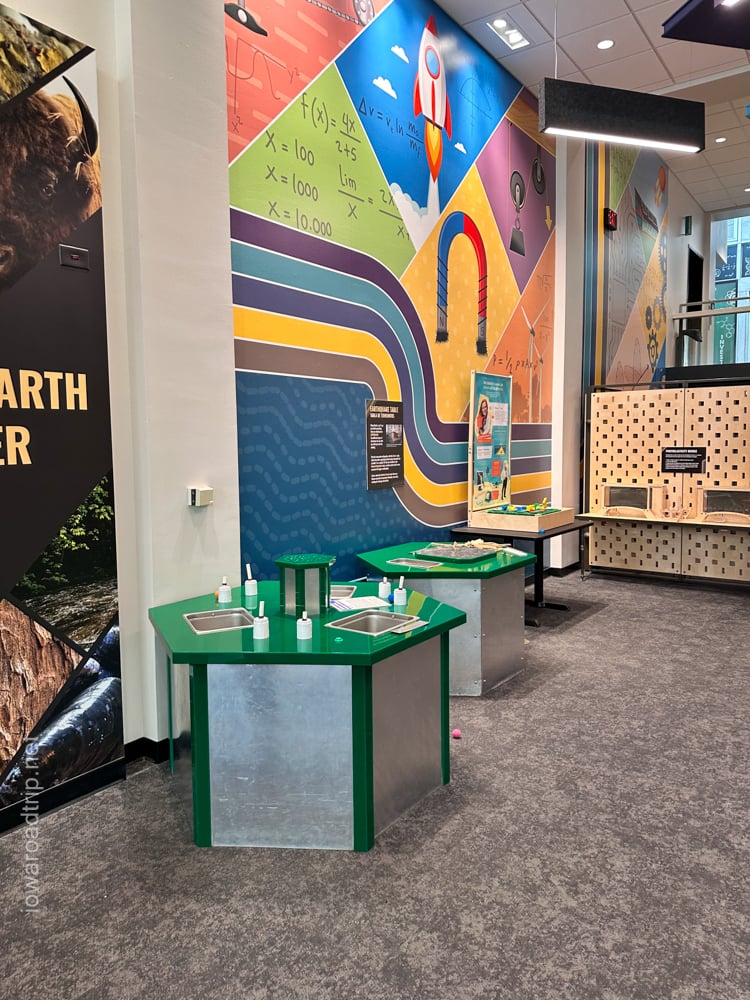
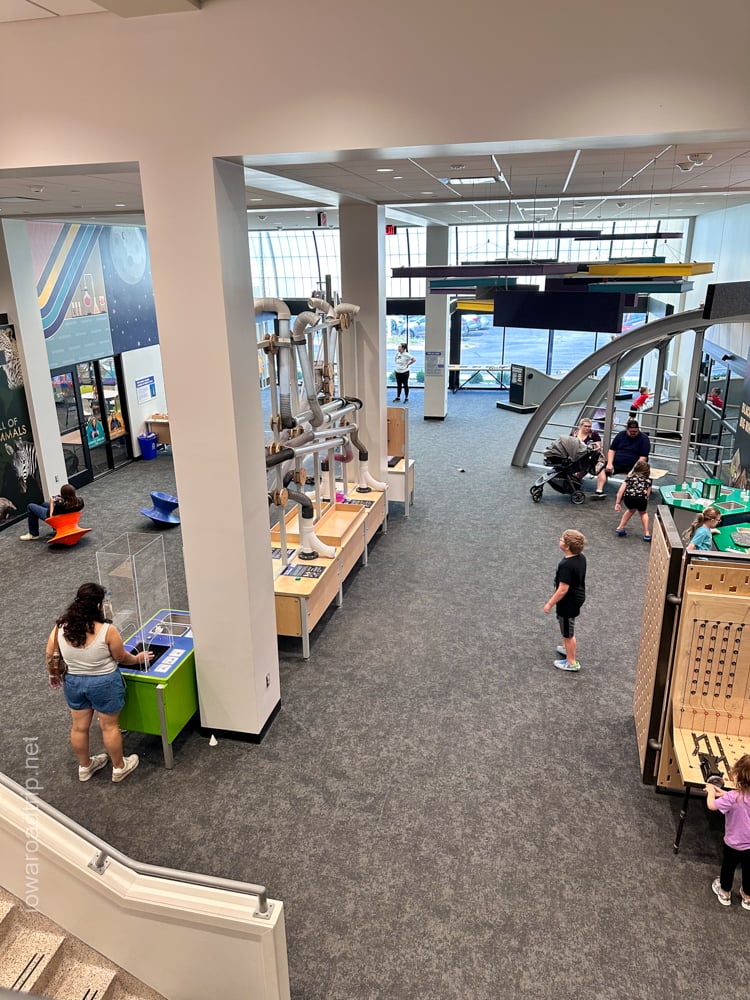
The Science Center occupies a large stretch of the museum and leans fully hands-on.
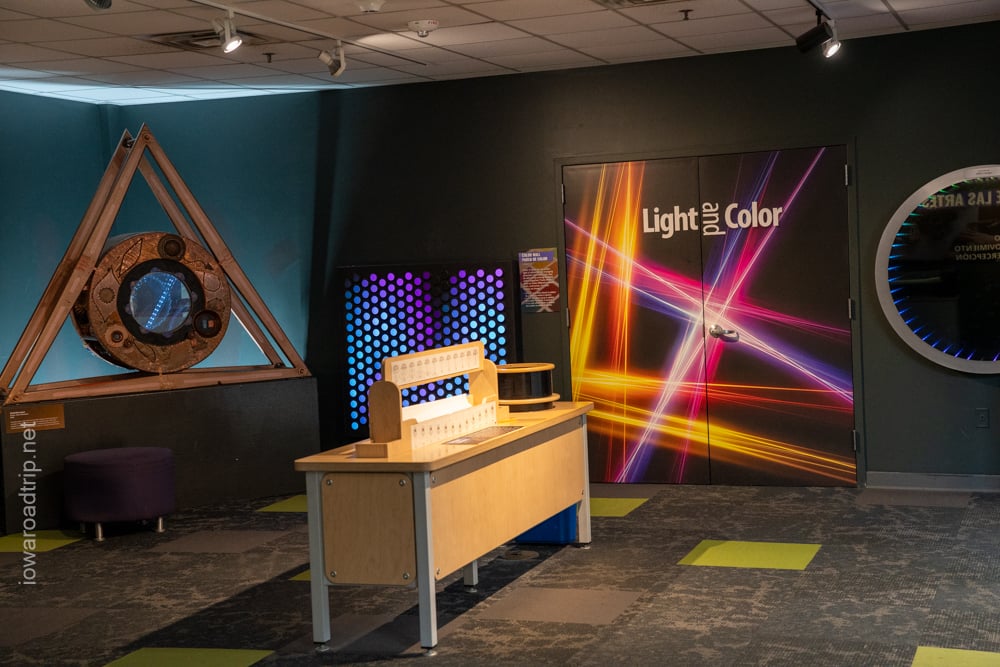
Exhibits here cover light and color, wind and weather patterns, and basic physics concepts, all built around touching, testing, and experimenting rather than reading wall text.
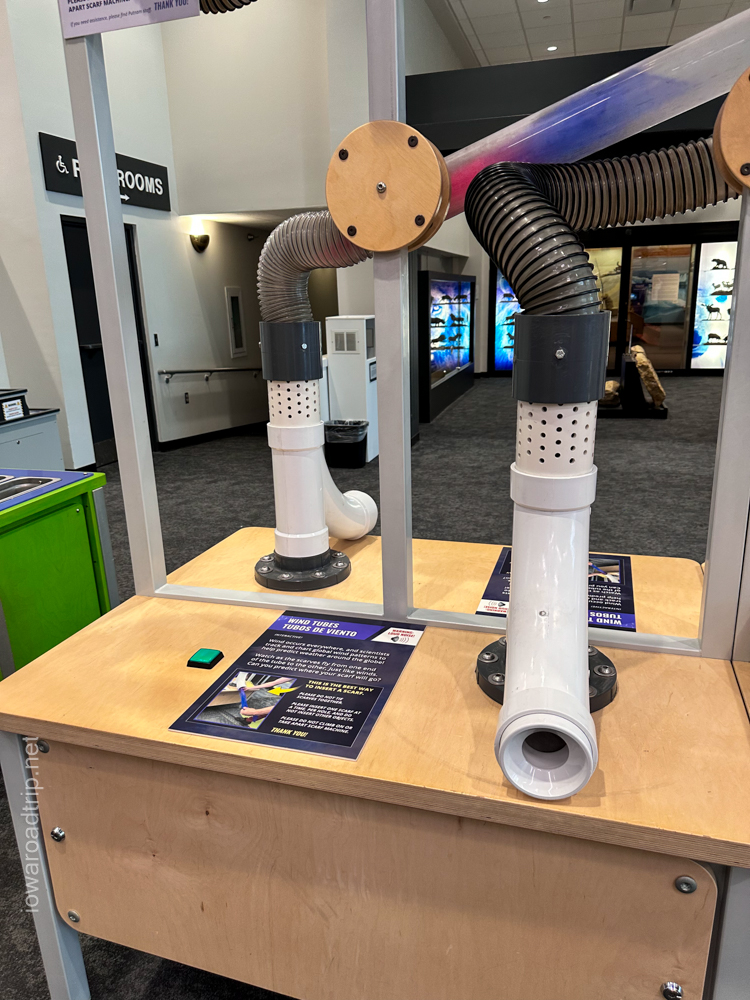
It’s clearly designed with kids in mind, but the exhibits are engaging enough that adults end up testing things out right alongside them.
Hall of Mammals and Black Earth | Big River
The Natural World side of the museum splits between a more traditional taxidermy hall and a regionally focused ecology exhibit.
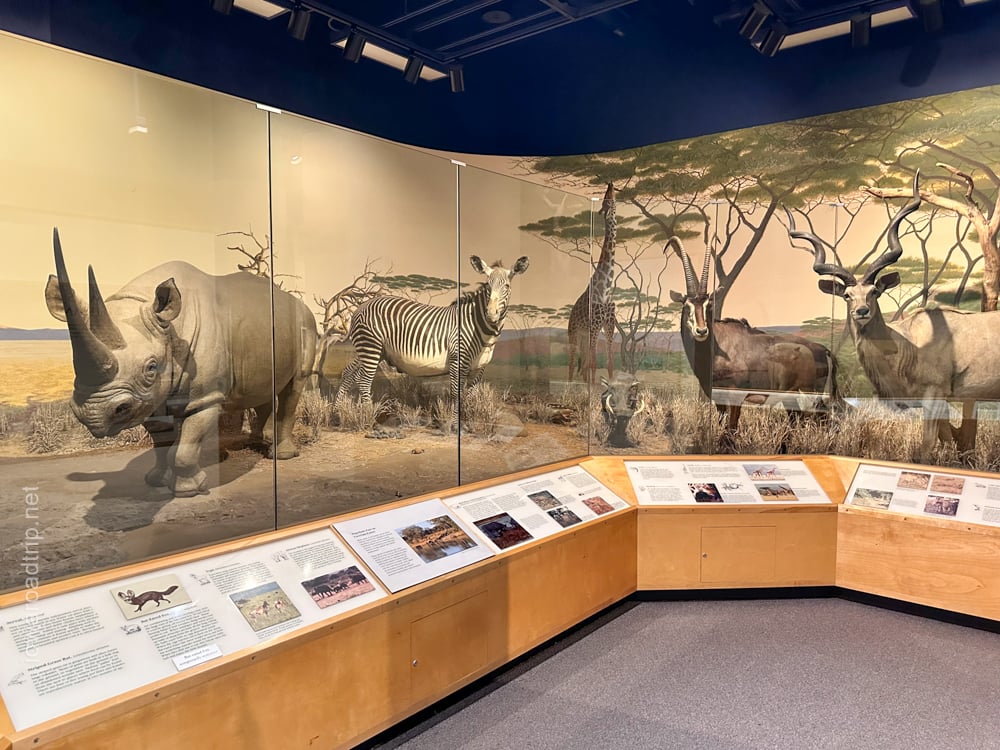
The Hall of Mammals uses large diorama-style displays, including an African savanna scene with a rhino, zebra, giraffe, and kudu positioned against a painted backdrop, giving the taxidermy specimens real visual context rather than standing alone.
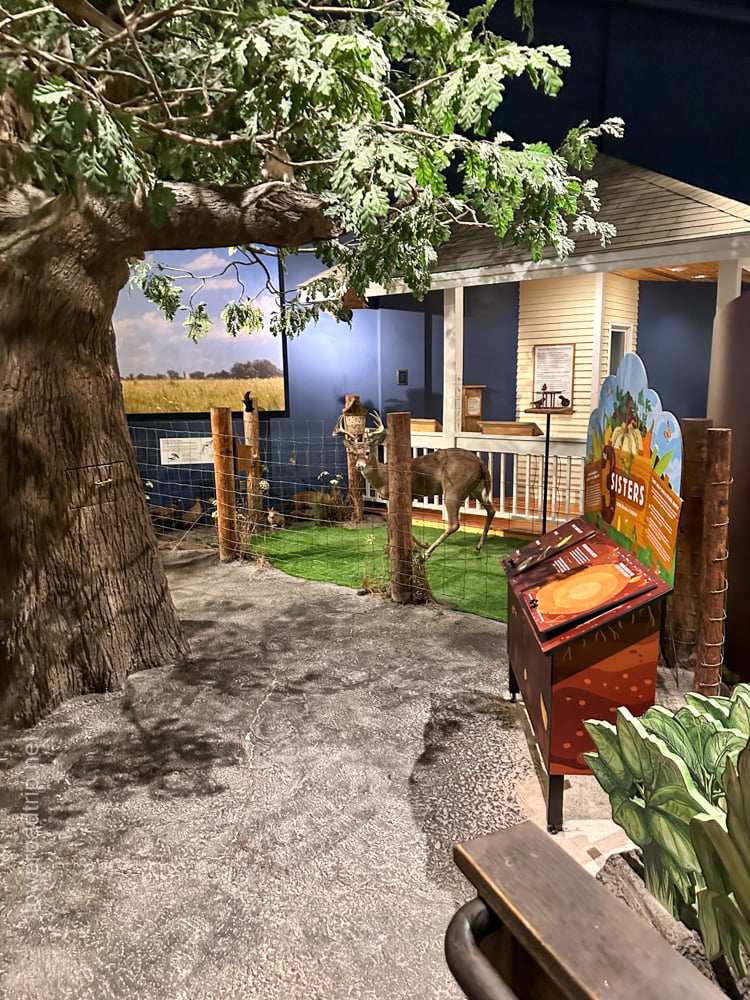
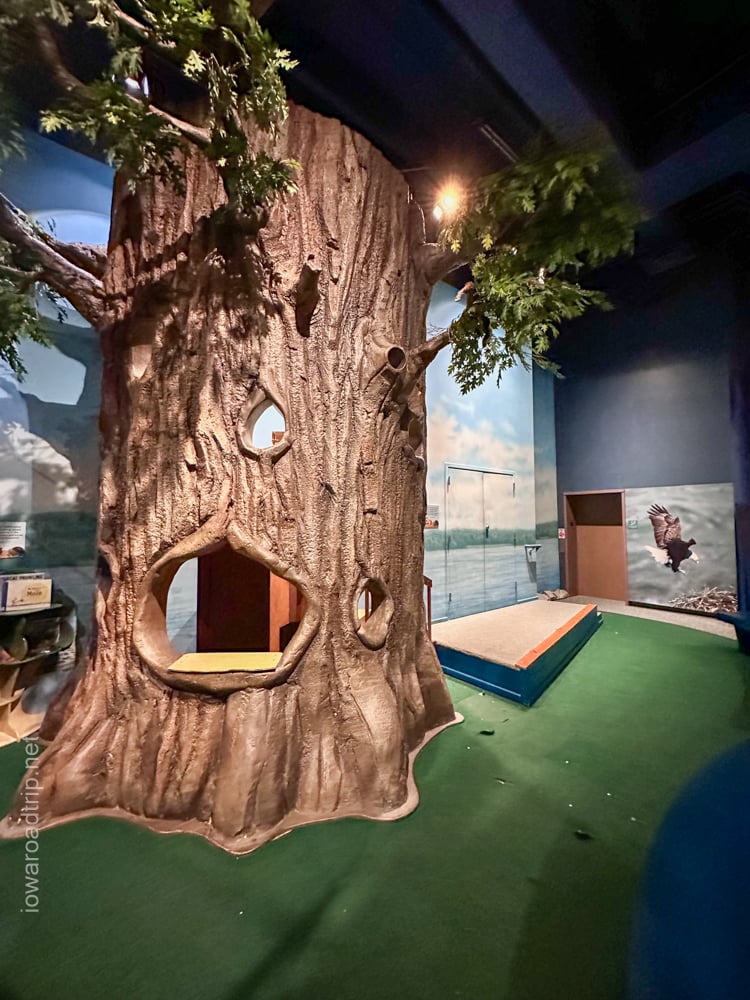
Black Earth | Big River shifts the focus closer to home, built around the Mississippi River region itself, with a walk-through tree structure and a small-town Iowa scene featuring a deer and farmhouse porch. It’s a nice contrast to the African savanna room right next to it, tying the natural history focus back to the local landscape.
The GIANT Screen Theater (a separate ticket)
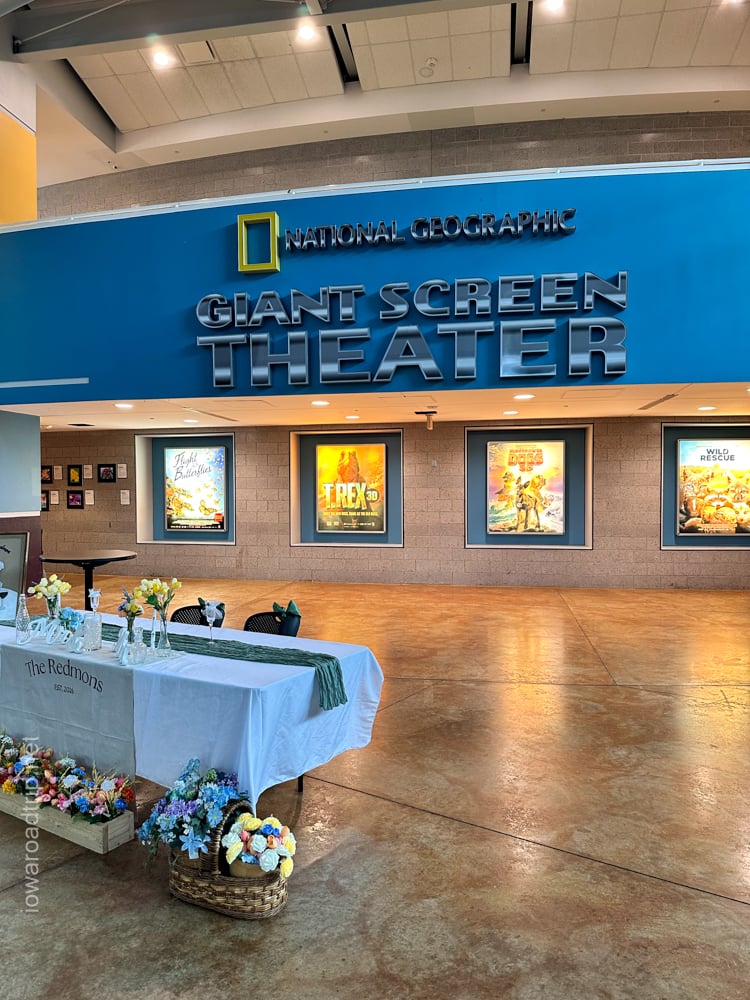
Even though I didn’t catch a film during my visit, the theater is worth planning for if you have the time. It runs a rotating lineup of large-format documentaries, most through a National Geographic partnership, along with occasional special screenings. Movie tickets can be bundled with general admission for a discount, but they’re not automatically included, so decide ahead of time if you want to build a film into your visit.
Is it good for kids?
Yes, clearly. Between the hands-on Science Center exhibits, the walk-through tree structure in Black Earth | Big River, and the sheer variety of things to see, the museum is built with families and school groups in mind. The Putnam hosts more than 30,000 student visitors a year through field trips alone, and that focus shows in how interactive the exhibits are throughout the building.
Saving money on your visit
A few ways to bring the cost down: Discovery Happy Hour offers $5 off admission every weekday from 3:30 to 5 p.m. Mothers, fathers, and grandparents get free admission with a paid child on their respective holidays. Active military and veterans get free admission around Independence Day and Veterans Day, and the museum participates in Blue Star Museums, offering free admission to military families from Armed Forces Day through Labor Day. College students with ID also receive a discount on most admission packages.
Accessibility
The Putnam offers wheelchair access throughout the museum and theater, sensory-friendly maps and sensory kits available at ticketing, borrowable wheelchairs, accessibility devices for theater screenings (including enhanced audio and closed captioning), large print maps, and a low-cost caregiver membership add-on.
Who will enjoy this stop?
The Putnam Museum is a strong fit for:
- Families with kids of nearly any age
- School groups and field trips
- History, archaeology, and Egyptology enthusiasts
- Natural history and science fans
- Anyone looking for a full-day indoor activity in the Quad Cities
- Documentary and large-format film fans, if you plan for the theater ticket
Final thoughts
Two hours at the Putnam Museum wasn’t enough, and I still skipped the GIANT Screen Theater entirely.
Between a genuinely impressive Ancient Egypt exhibit, a walkable vault holding a quarter-million collection items, hands-on science exhibits, and natural history dioramas ranging from the African savanna to small-town Iowa, the Putnam packs an unusual amount of variety into one building. It’s less a single museum than four or five good museums stacked together, and it’s worth setting aside more time than you’d expect.
If you’re planning a Quad Cities day around it, budget half a day rather than a quick stop, and consider adding the theater ticket while you’re there.