
Iowa Barn Foundation All-State Barn Tour: What to Know Before You Go
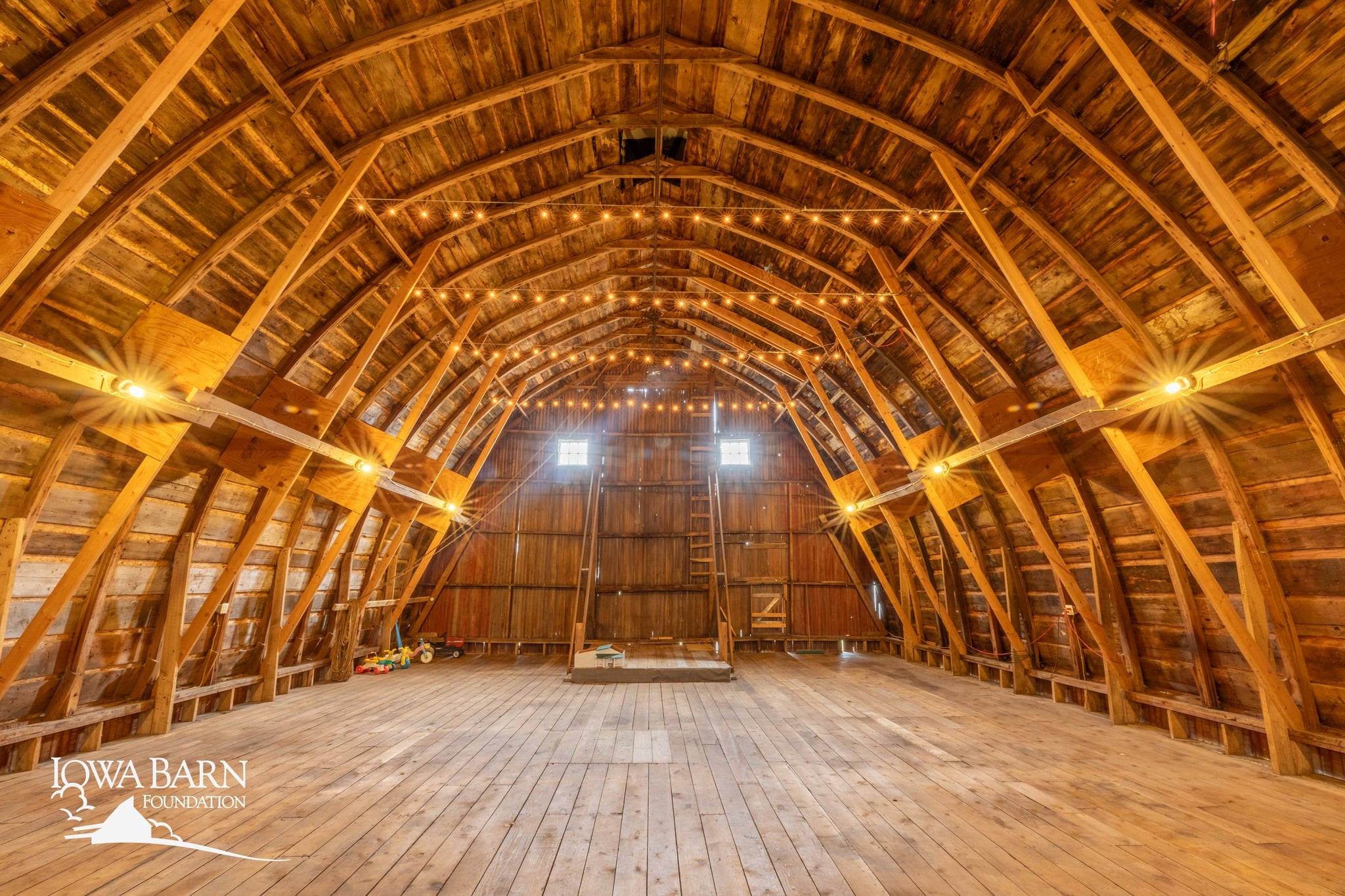
For one weekend each fall, barn doors open across Iowa.
The Iowa Barn Foundation’s 2026 All-State Barn Tour takes place Saturday, September 19, and Sunday, September 20, with participating barns open from 9 a.m. to 5 p.m. both days.
The event is free, open to the public, and completely self-guided.
That last detail is important. This is not a traditional guided tour with a bus, ticket booth, scheduled group, or single starting location. You choose the barns you want to visit, create your own route, and drive from property to property at your own pace.
Many of the stops are private farms opened for this one weekend by owners who are proud of their barns, family history, and preservation work.
That personal connection is what makes the tour so special.
Quick details for the 2026 Iowa Barn Tour
Event: Iowa Barn Foundation All-State Barn Tour
Dates: Saturday, September 19, and Sunday, September 20, 2026
Hours: 9 a.m. to 5 p.m. both days
Cost: Free
Format: Self-guided driving tour
Location: Participating barns across Iowa
Best for: Road trippers, history lovers, photographers, families, agriculture fans, and anyone who enjoys exploring Iowa backroads
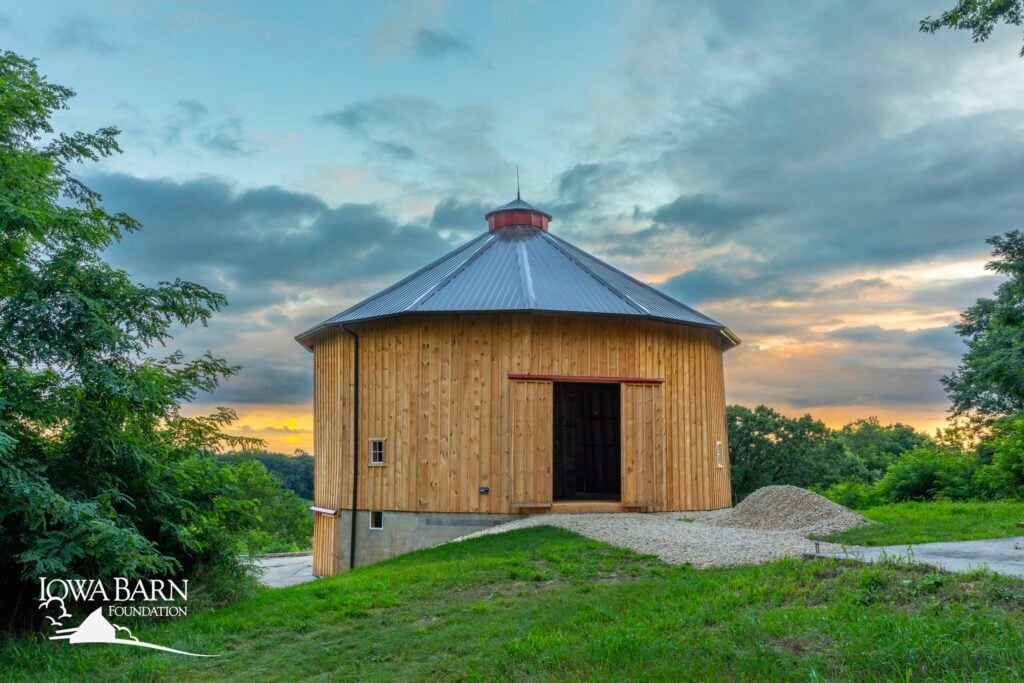
Visit the Iowa Barn Foundation website for the current list of participating barns, addresses, and official updates.
What is the Iowa Barn Foundation All-State Barn Tour?
Think of the event as a statewide open house for historic Iowa barns.
Each year, the Iowa Barn Foundation highlights barns that have been preserved, restored, or recognized for their architectural and historical importance. Some have received foundation restoration grants, while others were saved through work funded and completed by their owners.
For visitors, the event provides a rare opportunity to step onto farm properties that are not usually open to the public, see historic barns up close, and meet the people who know their stories best.
These are not polished museum tours with scripted presentations. At many stops, the owner or a volunteer may simply welcome visitors, explain the barn’s history, and answer questions.
Those conversations often become the most memorable part of the day.
How does the self-guided barn tour work?
The 2026 tour includes more than 100 stops across Iowa, so you are not expected to visit every barn.
You should not try.
The best strategy is to choose one region, select a manageable group of barns, and build your own driving loop.
For a first visit:
- Review the official list of participating barns.
- Choose one part of Iowa to explore.
- Select four to six barns located reasonably close together.
- Save the addresses and route before leaving home.
- Add planned stops for food, fuel, and restrooms.
- Leave extra time for gravel roads and conversations with owners.
Four to six barns may not sound like many, but the day can fill quickly. Travel between rural properties often takes longer than expected, and a short stop can easily turn into a longer visit when an owner begins sharing the barn’s history.
This is not a race. The best experiences often come from slowing down.
How to plan your route
Start by asking which part of Iowa you want to explore—not how many barns you can fit into one day.
You might focus on Central Iowa, Northeast Iowa, the Driftless Area, Southeast Iowa, or another region where several participating barns are clustered within a reasonable distance.
Once you choose the area, build a loop rather than crisscrossing the countryside.
You can also include a small-town lunch, coffee shop, scenic overlook, historic downtown, or another nearby attraction. That turns the barn tour into a complete Iowa road trip instead of a checklist of addresses.
Leave flexibility in the schedule.
The surprise of the day might be:
- An owner who talks with you for 20 minutes
- A barn you almost skipped
- An unexpected architectural detail
- A scenic gravel-road view
- A nearby town you decide to explore
A manageable route gives you room for those moments.
Visiting private farms respectfully
Many of the participating barns are on private property.
Owners are generously allowing visitors onto their farms for the weekend, so treat each stop with extra care.
Park only in designated areas or where the owner directs you. Stay within the spaces that are clearly open to visitors, and do not wander into yards, fields, other buildings, equipment areas, or livestock spaces unless you are invited.
Expect conditions to vary from one stop to another. You may encounter:
- Gravel roads
- Narrow farm driveways
- Grass parking areas
- Uneven ground
- Mud or dust
- Limited turnaround space
- Working farm equipment
Drive slowly and be patient with other visitors.
Children should remain with an adult. Barns, machinery, haylofts, fences, and farm equipment are not playgrounds, even during a public event.
You are a guest on someone’s property. That is part of what makes the tour unusual, but it also means visitor courtesy matters.
What should you expect at each barn?
Every stop is different.
At some properties, visitors may be able to walk inside the barn and inspect the structure from the ground floor. At others, access may be limited to the exterior or certain designated areas.
Some locations may have owners or volunteers available throughout the day. Others may be more informal.
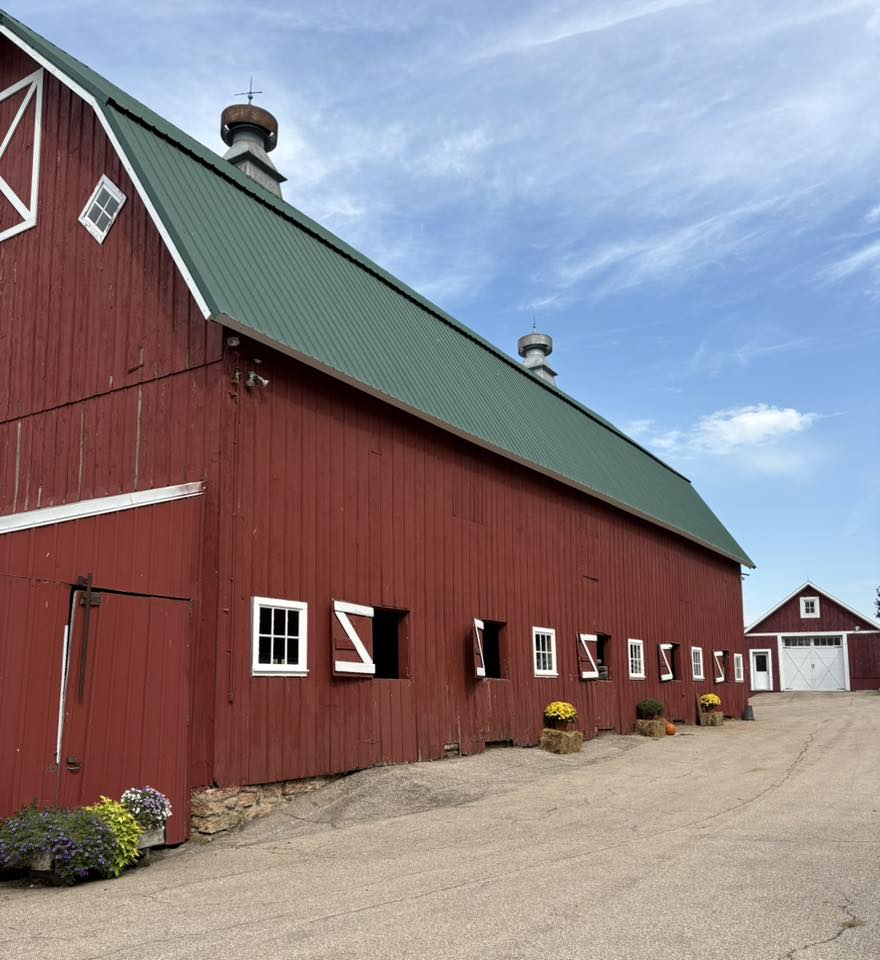
Depending on the barn, you may see:
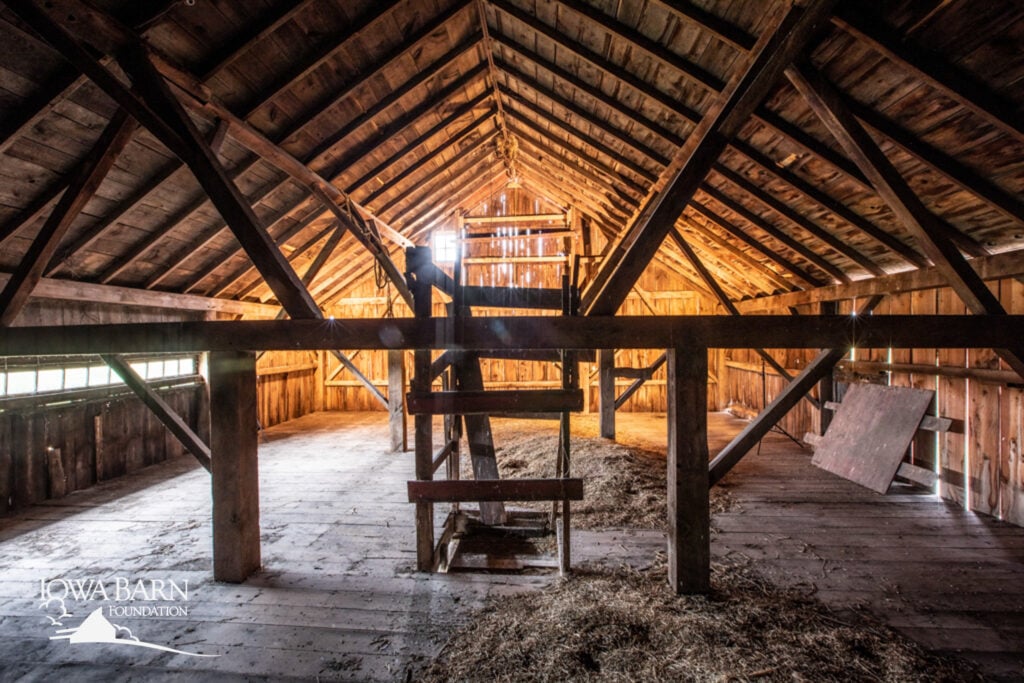
- Hand-hewn beams
- Wooden pegs
- Stone foundations
- Haylofts
- Cupolas
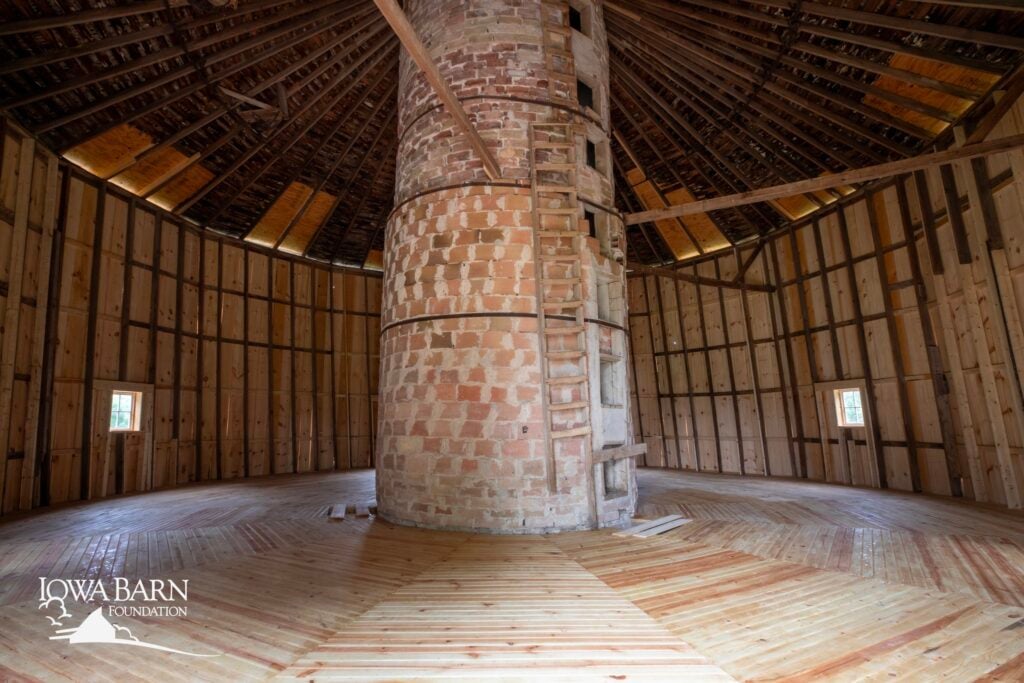
- Corn cribs or silos
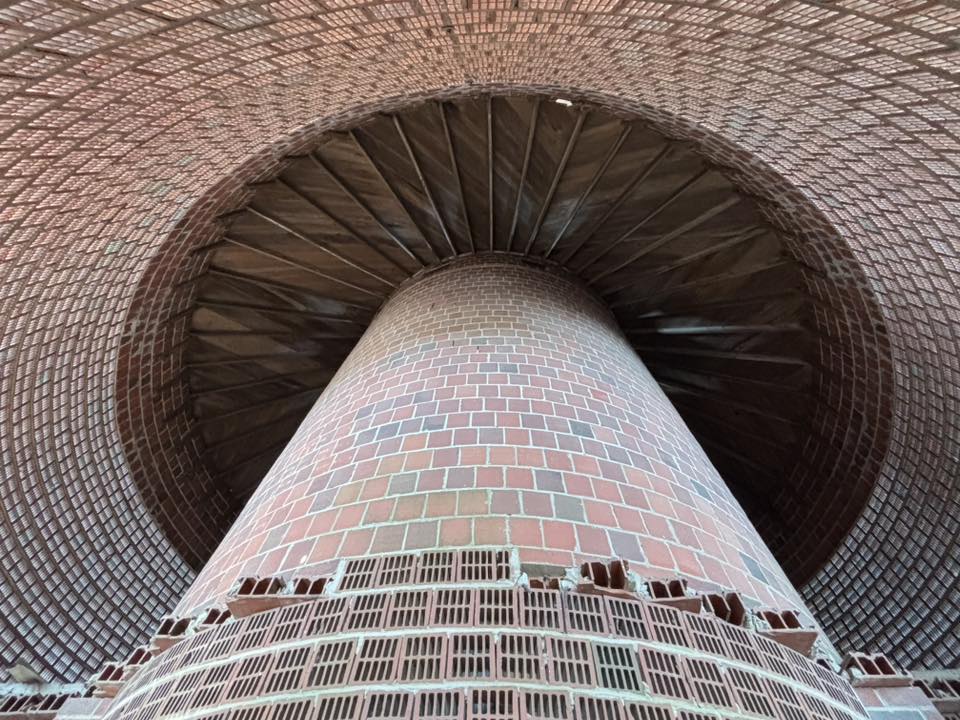
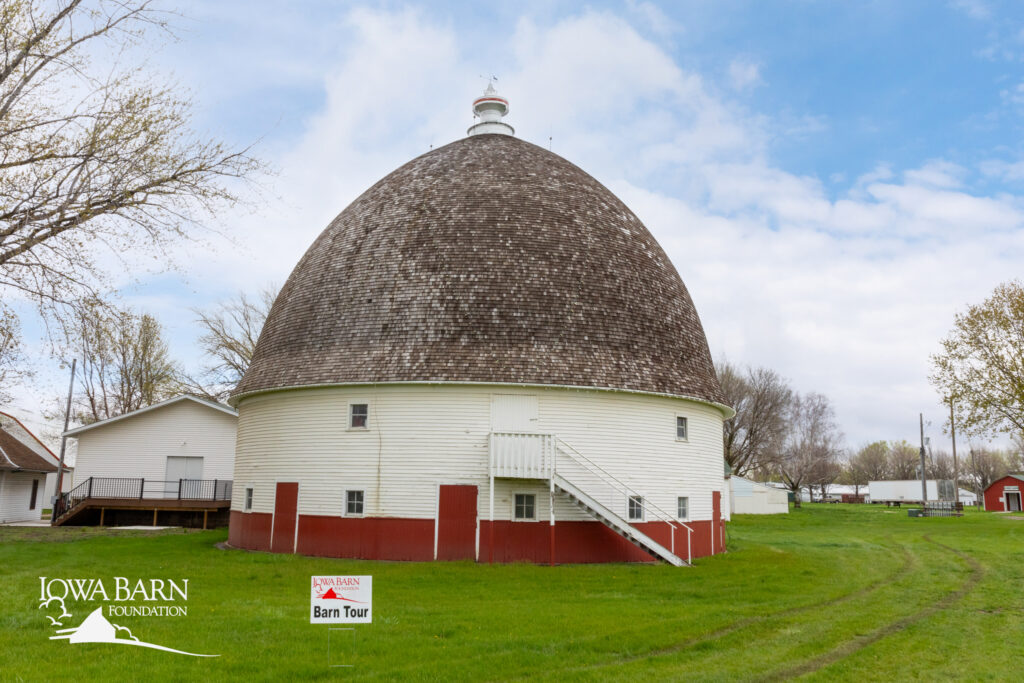
- Round or octagonal designs
- Structures restored after years of deterioration
If an owner or volunteer is available, ask questions.
Good conversation starters include:
- How old is the barn?
- What was it originally used for?
- Has it always belonged to the same family?
- How long did the restoration take?
- What work was required to save it?
- Why was preserving the barn important to you?
A simple question can turn a short stop into the highlight of the tour.
What kinds of barns are included?
The tour usually includes a wide range of barns and agricultural structures.
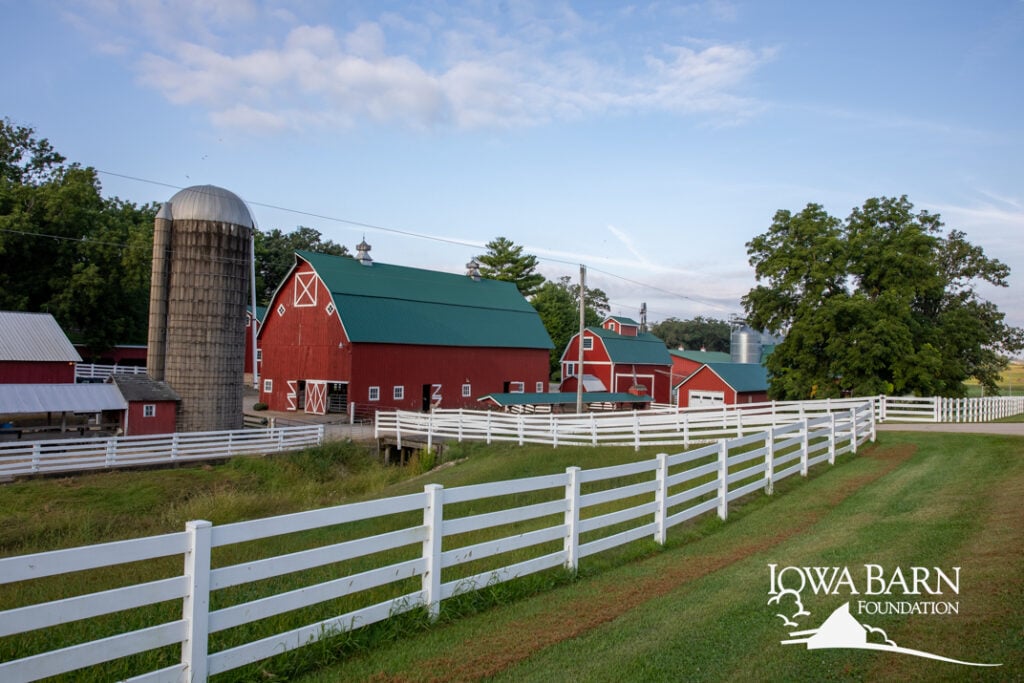
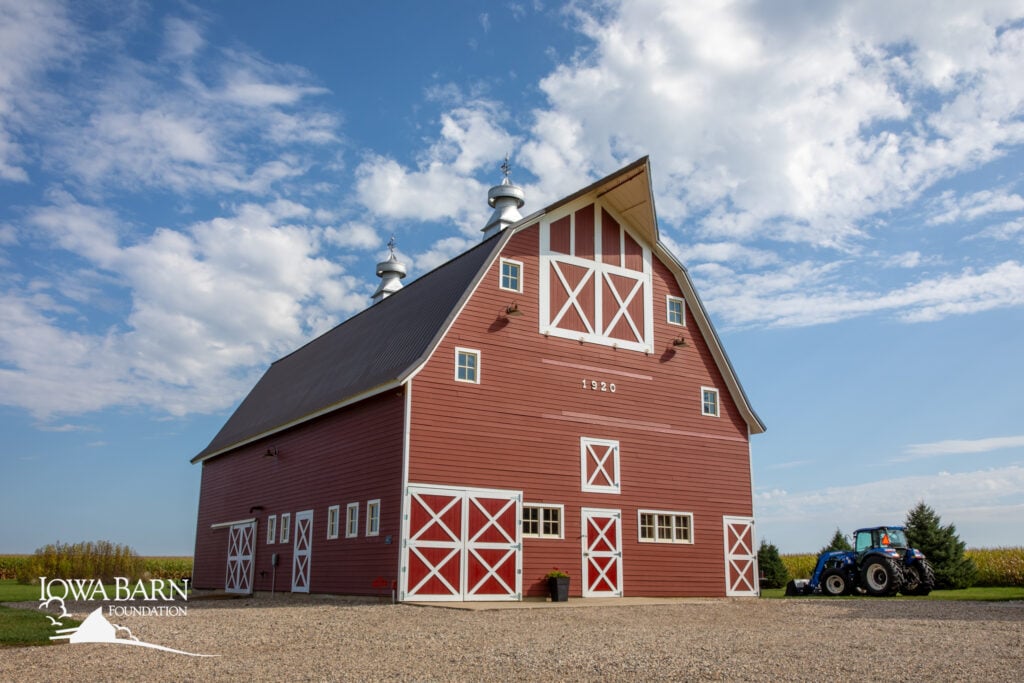
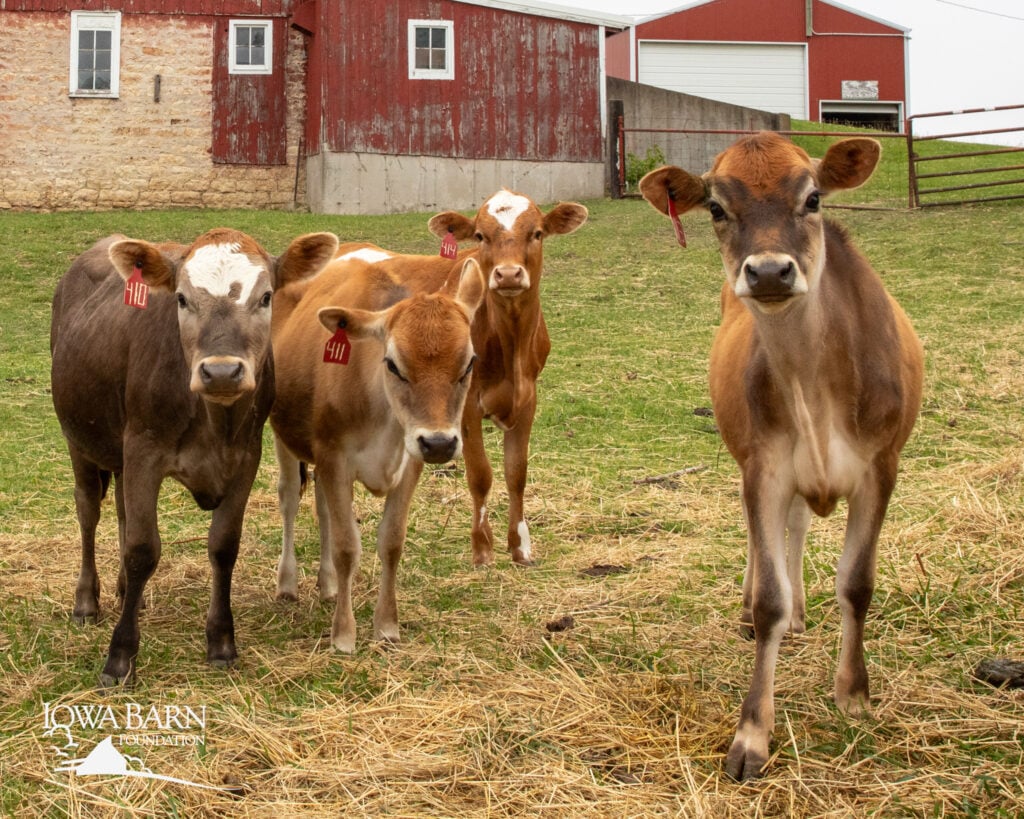
Visitors may see traditional red barns, dairy and livestock barns, round barns, octagonal barns, corn cribs, wooden silos, and other buildings connected to Iowa’s agricultural history.
Some remain part of working farms. Others have been preserved primarily as family landmarks or examples of historic construction.
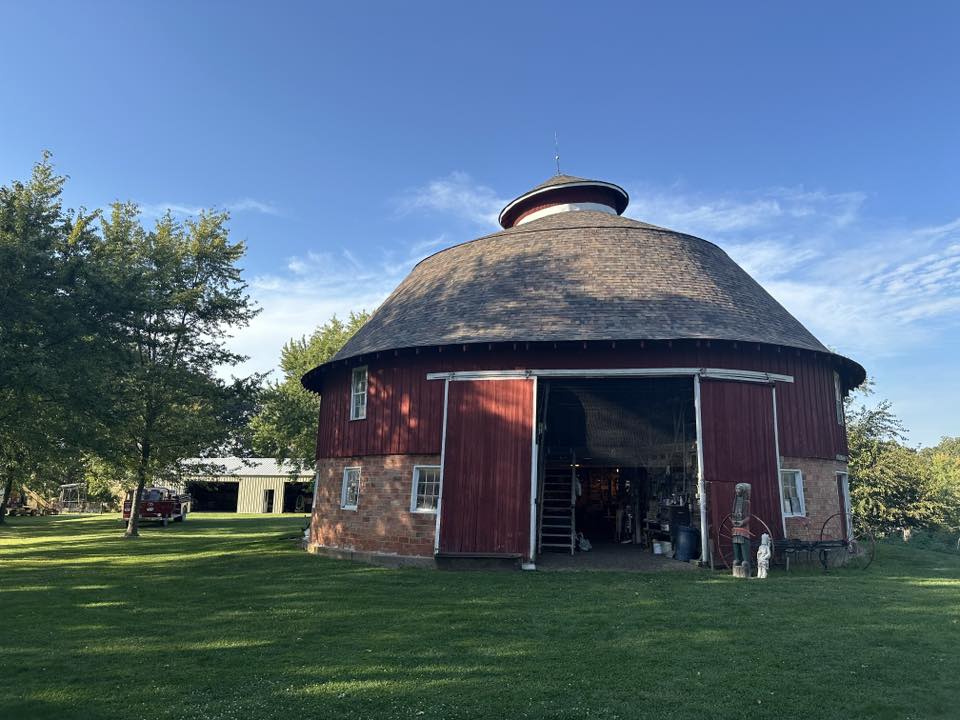
These buildings did not survive by accident.
Someone had to repair the roof, stabilize the foundation, replace damaged boards, restore the siding, preserve the beams, or find a new use for the structure.
The tour gives visitors a chance to see the results of that work.
Travel tips for the Iowa Barn Tour
Choose a manageable number of stops
For a first tour, four to six barns in one area is a practical goal.
You can always add another stop if travel is faster than expected. It is much harder to enjoy the day when every visit feels rushed.
Save the route before leaving
Some barns are located in rural areas where cell service may be inconsistent.
Save the addresses, take screenshots, download an offline map, or print the route before leaving home.
Do not rely entirely on having a strong signal at every stop.
Expect rural roads
Your route may include gravel roads, narrow county roads, or long farm driveways.
Allow more time than your mapping app suggests, especially if traffic is slow or road conditions are dusty or wet.
Wear practical shoes
Closed-toe shoes are a good choice.
Barn floors, grass parking areas, gravel drives, and uneven ground are all part of the experience. This is not the day for sandals or shoes you want to keep perfectly clean.
Bring water and snacks
Do not assume food or drinks will be available at every property.
Bring water, snacks, and anything children may need during longer drives between stops.
Plan services in nearby towns
Many barns will not have public restrooms, food, fuel, or other visitor services.
Before leaving, identify nearby towns where you can stop for lunch, gas, coffee, and restrooms.
Bring a charged phone or camera
The tour offers excellent opportunities for barn, architecture, rural landscape, and owner-portrait photography.
Ask before photographing people, entering restricted spaces, or using equipment such as tripods in busy areas.
Is the Iowa Barn Tour good for families?
Yes, especially for children interested in farms, old buildings, architecture, or Iowa history.
The tour can help children understand that barns are more than picturesque buildings along the highway. They were working structures designed for livestock, crops, storage, and daily farm life.
Before visiting, remind children to:
- Stay with an adult
- Watch for uneven ground
- Avoid climbing
- Stay away from equipment and livestock
- Follow the property owner’s directions
- Keep out of closed areas
A shorter route with fewer barns may work best for younger children.
Is the Iowa Barn Tour really free?
Yes. The tour is free and open to the public.
The Iowa Barn Foundation is a nonprofit organization, and the event depends on property owners, volunteers, members, and donors who care about preserving Iowa’s historic barns.
Visitors who enjoy the tour can support the foundation through a donation or membership.
Even if you have never thought much about barn preservation, the tour may change the way you look at the structures disappearing from Iowa’s countryside.
Why is the barn tour worth doing?
Most historic Iowa barns are places we see only from the road.
We pass them along highways, gravel roads, and county blacktops. We may notice them against a cornfield or beside an old farmhouse, but we rarely have the chance to pull in, study the construction, and hear the story.
The All-State Barn Tour gives visitors permission to slow down and look closer.
You begin to notice the details:
- The way beams fit together
- The size of the doors
- The old hardware
- The stone foundations
- The shape of the roof
- The craftsmanship in the loft
- The labor required to build without modern equipment
More importantly, you begin to understand why people work so hard to save these buildings.
A barn may be a family landmark, a community memory, a symbol of a farm’s history, or one of the last visible reminders of a way of life that shaped Iowa.
Final thoughts
The Iowa Barn Foundation All-State Barn Tour is one of Iowa’s most distinctive fall road trips.
It offers a rare opportunity to step onto private farm properties, look closely at historic barns, and hear the stories behind their preservation.
Choose one region, build a manageable route, and leave room for unexpected conversations and discoveries.
The best part of the day may be the barn you nearly skipped, the owner who takes time to explain its history, or the quiet gravel-road view you find between stops.
For the full list of participating barns, addresses, and official updates, visit the Iowa Barn Foundation’s 2026 All-State Barn Tour page.




Love this. Thanks for the information.