St. Wenceslaus Catholic Church — Spillville, Iowa
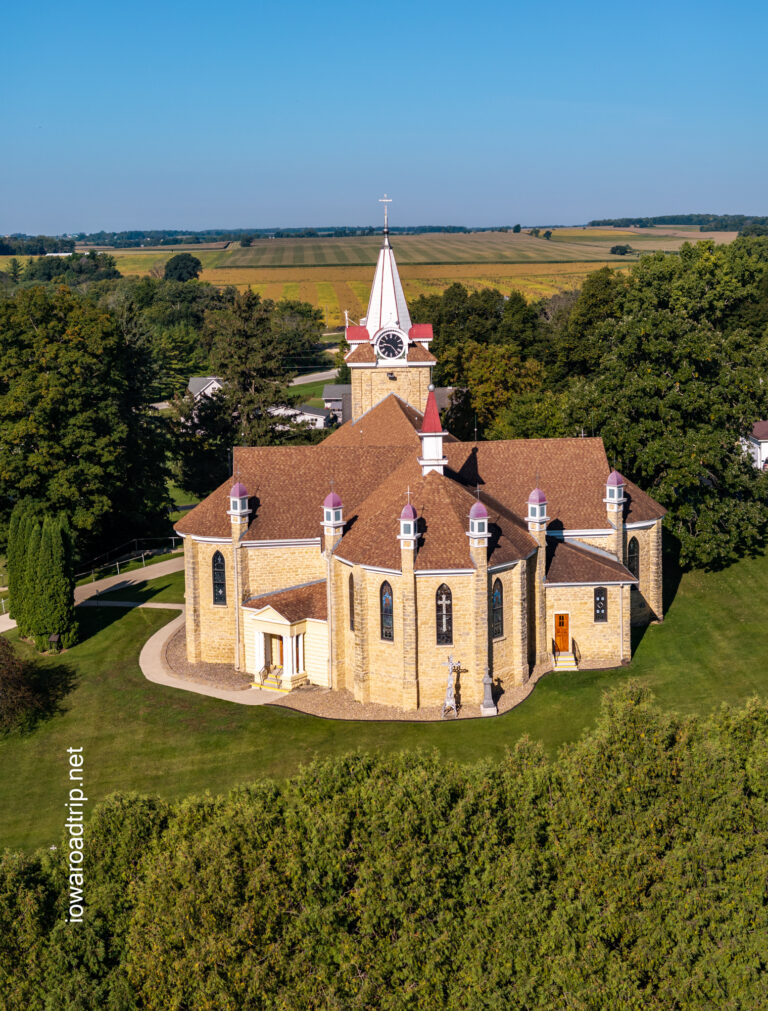
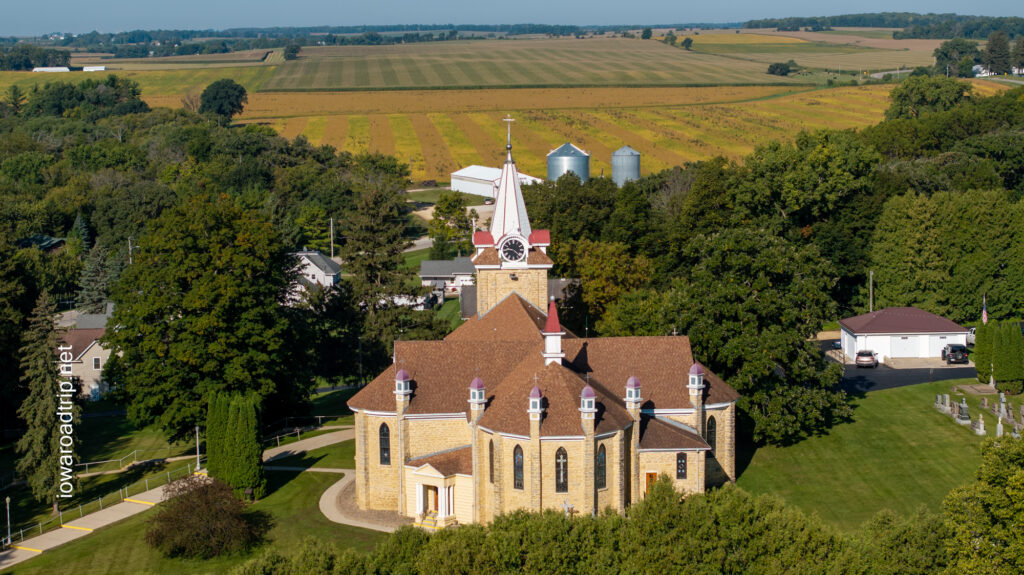
Some churches feel like they belong only on postcards — but St. Wenceslaus Catholic Church feels like a place you have to experience in person. As the oldest Czech Catholic church in the United States, this remarkable stone landmark sits proudly above the Turkey River valley in Spillville, welcoming travelers with history, beauty, and a rich cultural story that spans continents.
📍 Address
St. Wenceslaus Catholic Church
207 Church Street
Spillville, IA 52168
A Landmark Built by Czech Settlers
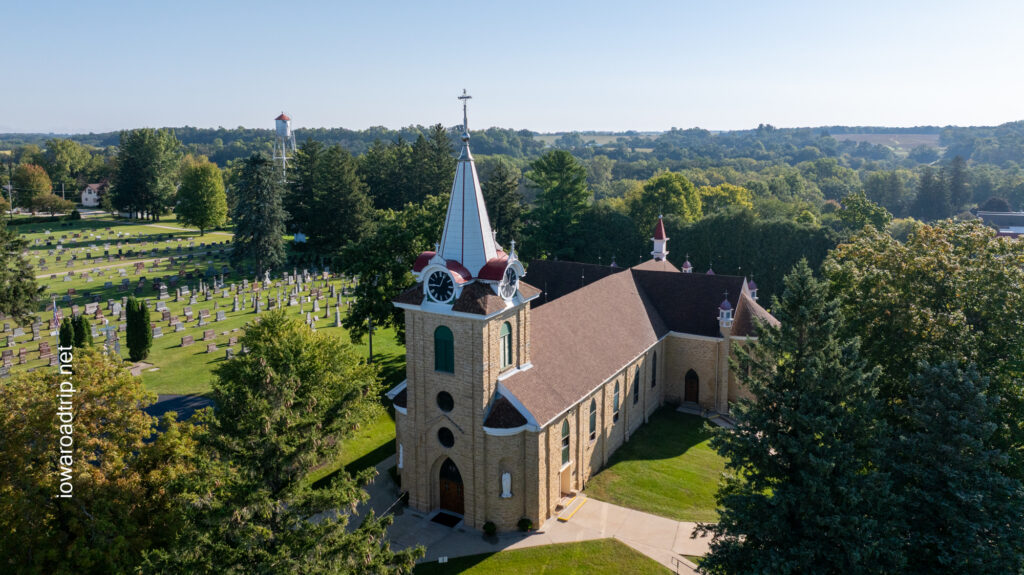
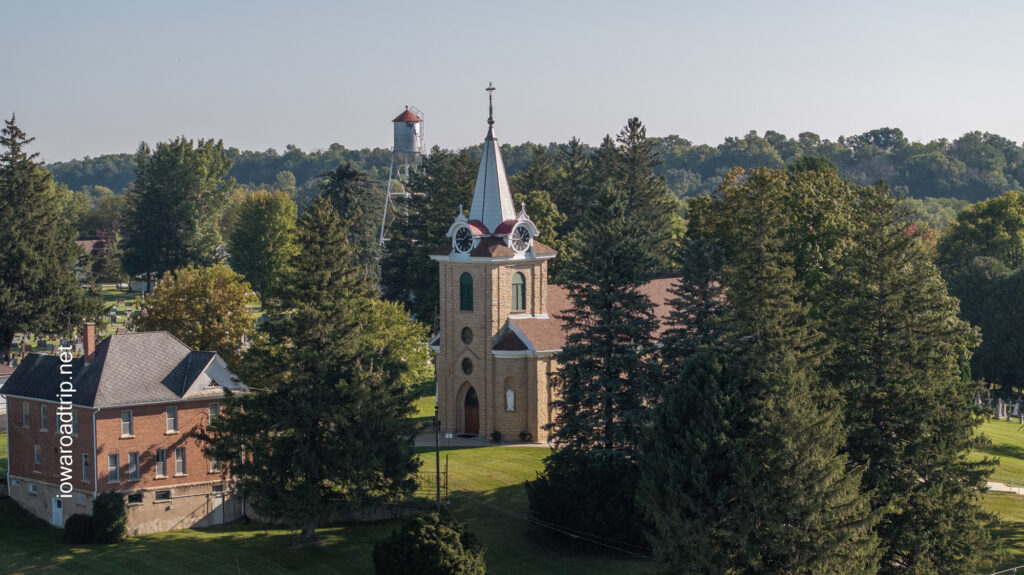
When Czech immigrants began settling in the Spillville area in the 1850s, they brought with them not just traditions from their homeland but a determination to build a spiritual home that reflected their identity. As families grew, early services moved from homes to this dedicated stone church — a building whose completion in 1860 marks it as the oldest Czech Catholic church in the nation.
Modeled after the famed St. Barbara’s Cathedral in Kutná Hora, Bohemia, the church occupies a commanding hilltop site overlooking the town — a reminder of both heritage and devotion.
How It Was Built
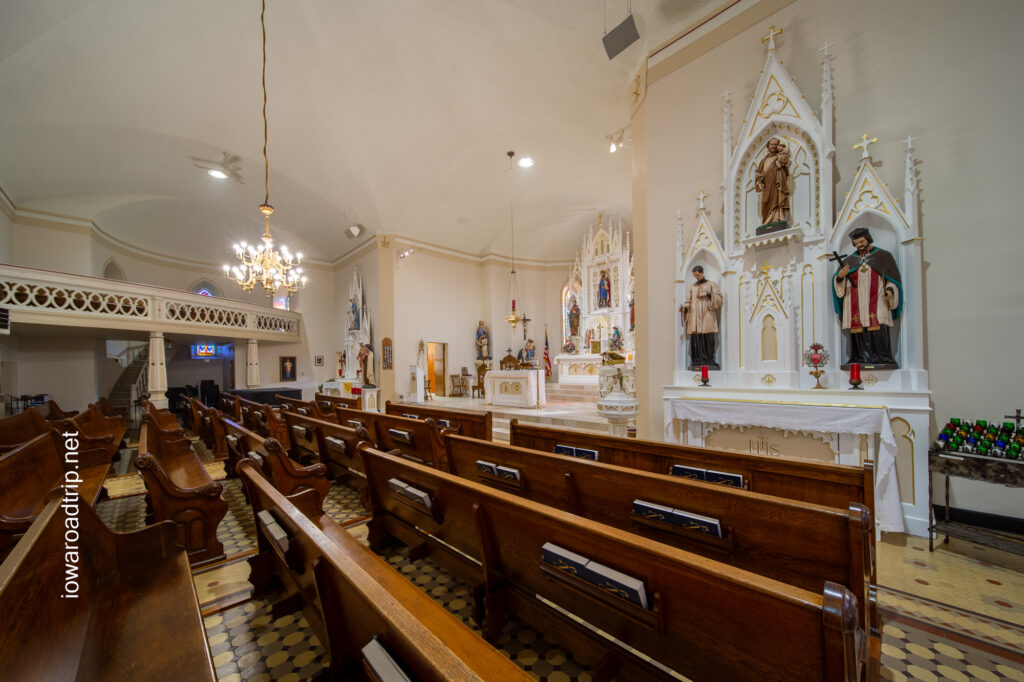
Construction began on May 16, 1860, using locally quarried limestone and the skilled labor of parishioners who laid stone after stone to create a sanctuary reminiscent of their old world roots. The church was dedicated on September 28, 1860, on the feast day of St. Wenceslaus, the patron saint of Bohemia.
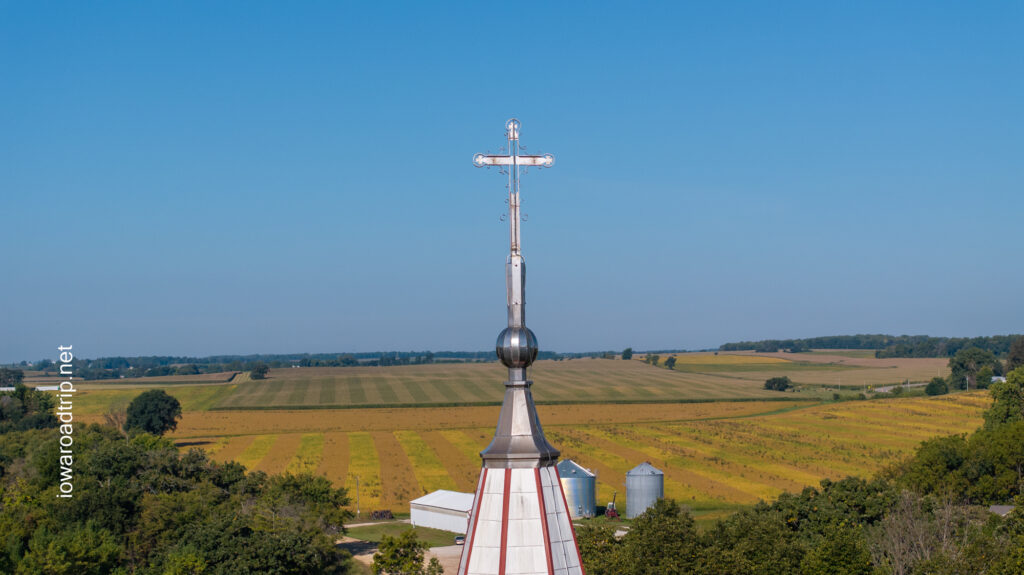
In 1869, the church was enlarged with the addition of the north and south wings, sanctuary, and bell tower, forming the familiar cruciform shape seen today.
Music, Art & Antonín Dvořák
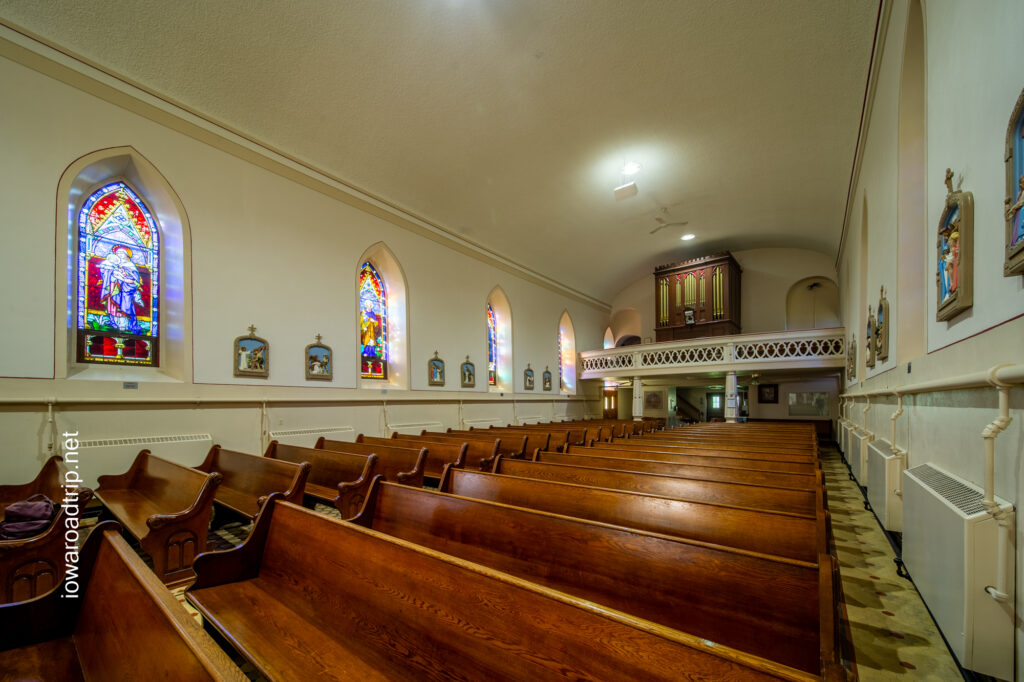
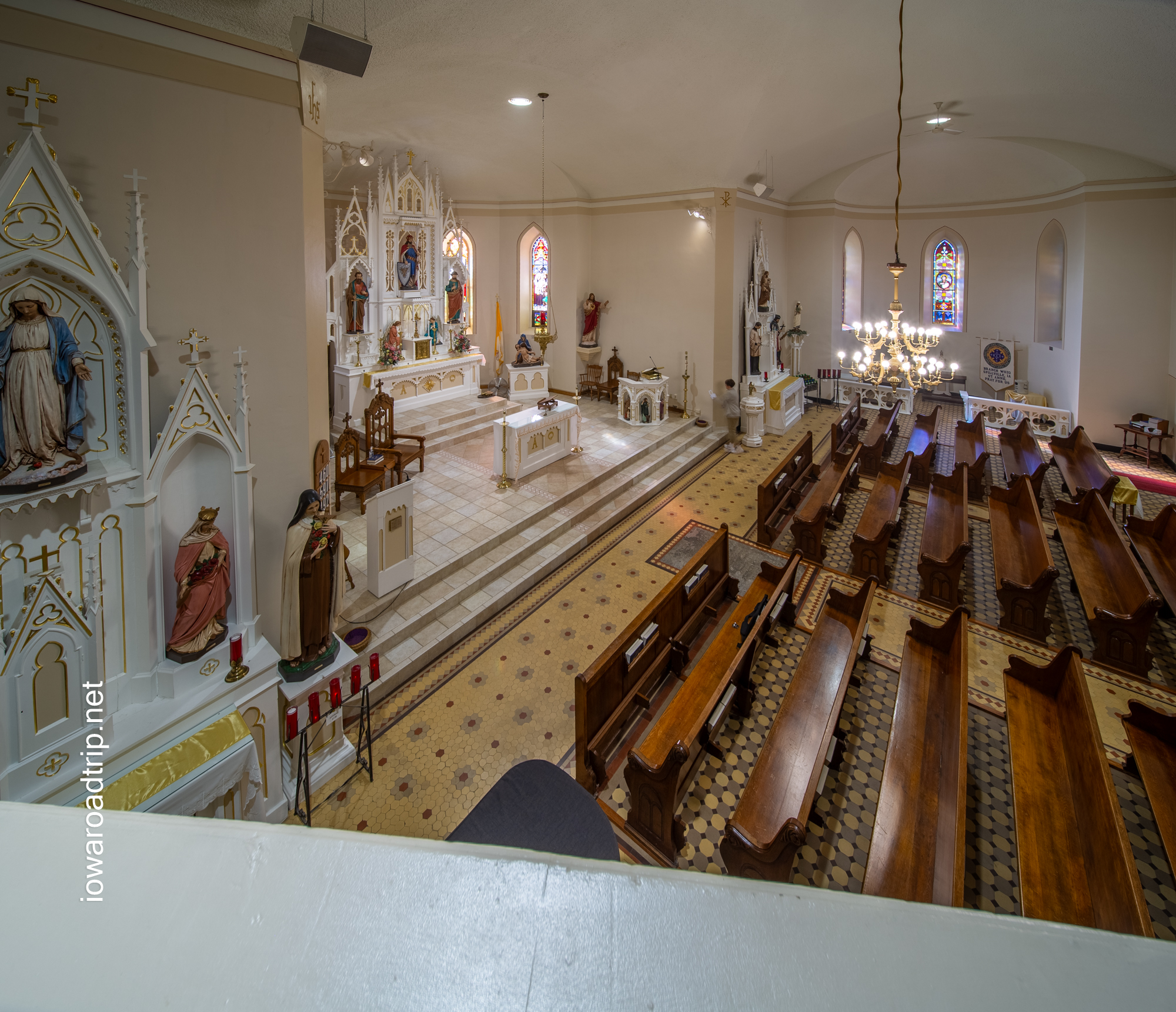
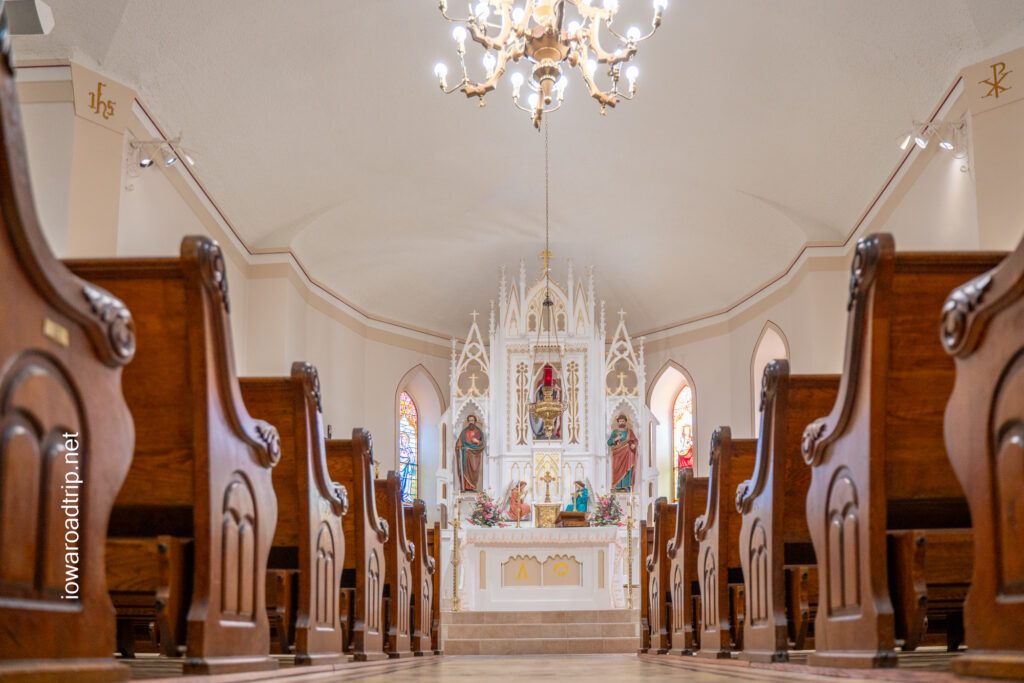
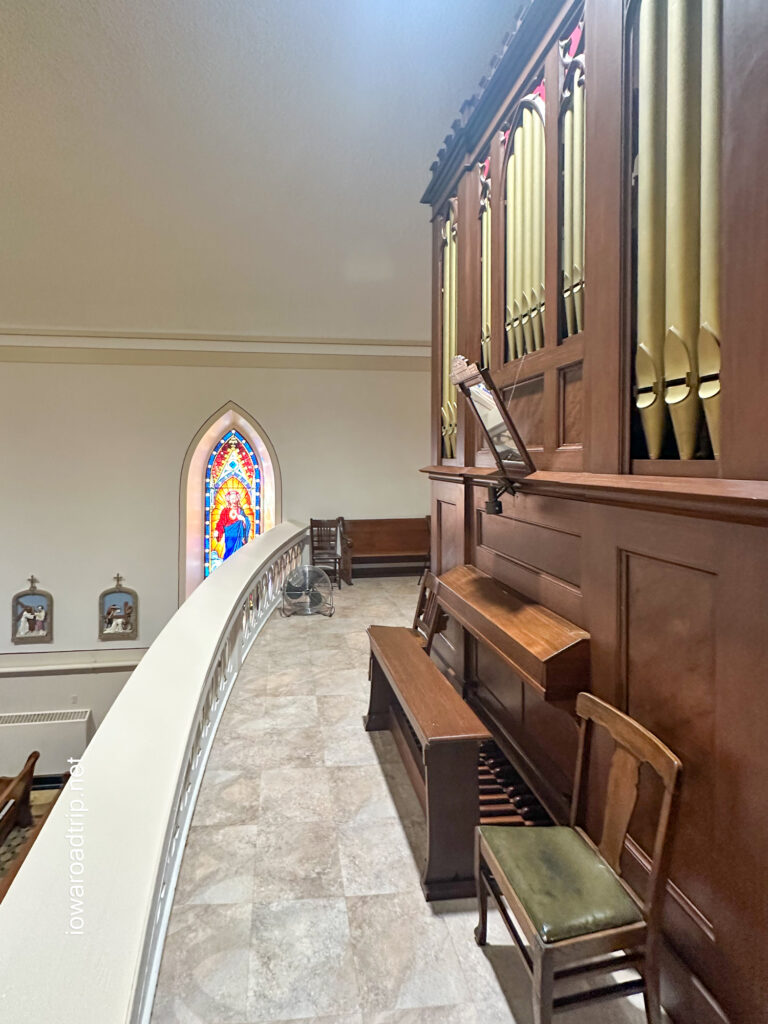
Music is woven into the very fabric of St. Wenceslaus’s history. In 1876, a Pfeffer pipe organ was installed — and this organ would later be played by none other than Czech composer Antonín Dvořák during his summer stay in Spillville in 1893. While in town, Dvořák composed parts of his famed New World Symphony and the String Quartet in F (“The American”), making the church’s music legacy a true piece of artistic history.
Historic Features & Additions
Over the years, parishioners continued to enhance this remarkable structure:
- The bell tower was completed as part of the 1869 expansion.
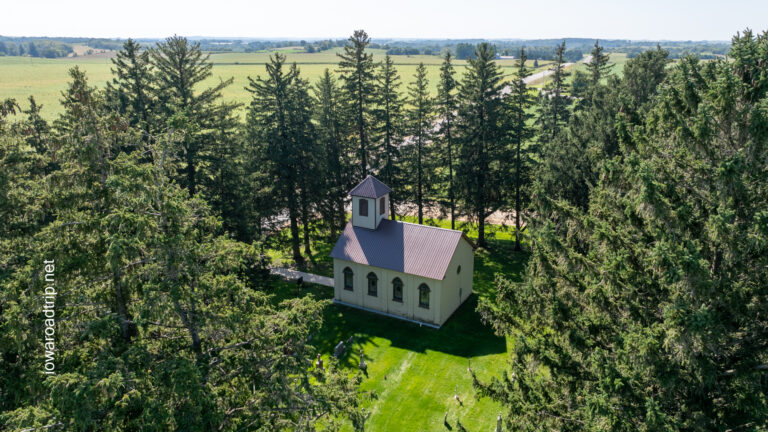
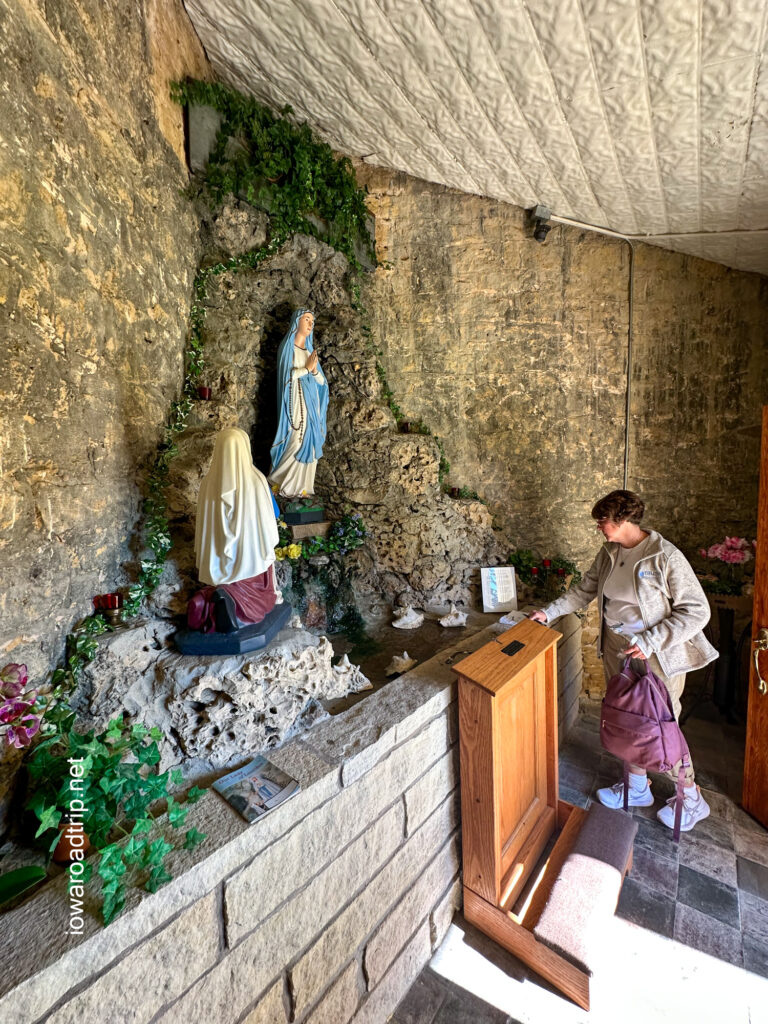
- A Grotto of Our Lady of Lourdes was constructed adjacent to the church in 1907.
- Ornate cast‑iron grave markers dot the cemetery, crafted by local artisans in the late 1800s — a unique local touch.
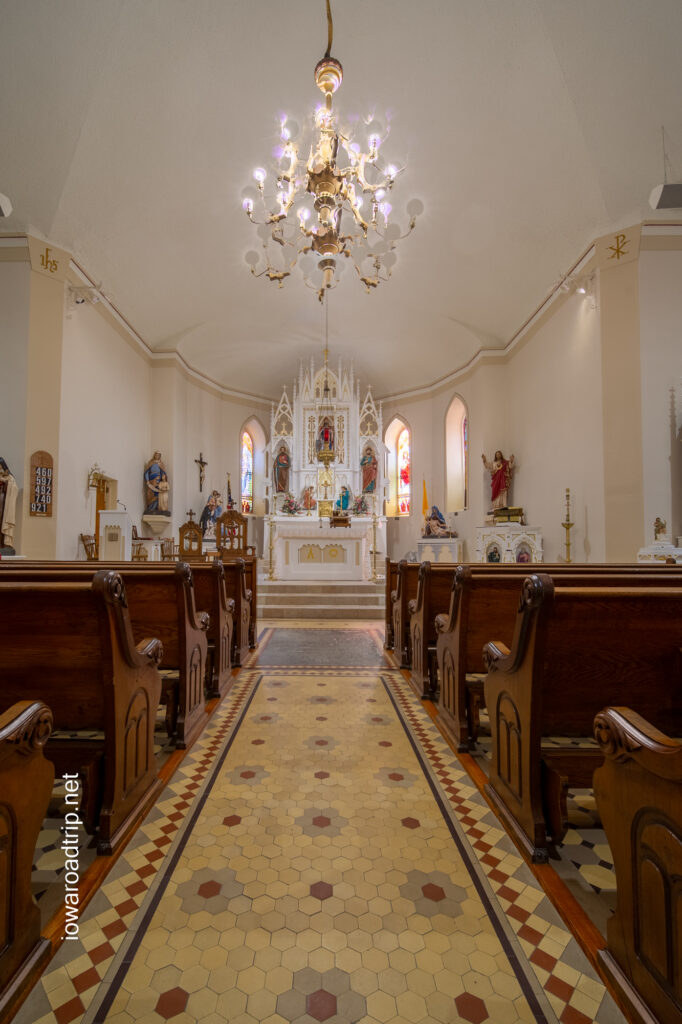
Today, those stone walls and historic features remind visitors of the dedication and craftsmanship poured into the church by its earliest builders.
Visiting St. Wenceslaus Church
St. Wenceslaus Catholic Church is a scenic, meaningful stop for travelers exploring northeast Iowa — especially those interested in architecture, music history, or immigrant heritage.
Visitor Tips:
- The church continues to hold Mass and sacramental services — check local parish schedules if you’d like to attend.
- Morning or late afternoon light highlights the limestone exterior beautifully for photos.
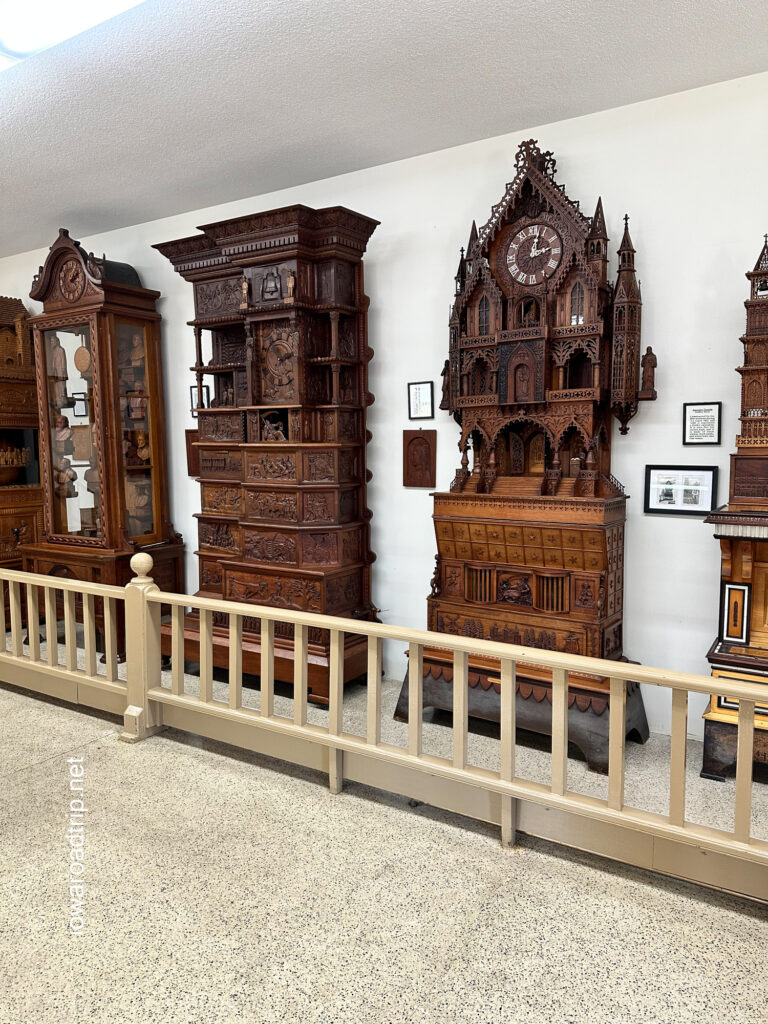
- Pair your visit with other Spillville attractions like the Bily Clocks Museum and riverfront parks.
Why This Stop Matters
St. Wenceslaus Catholic Church isn’t just another historic building — it’s a cultural landmark that tells the story of Czech immigrants making their home in America, holding tightly to their traditions while contributing deeply to their community. Whether you’re tracing Iowa’s diverse heritage or simply craving a meaningful detour on your road trip, Spillville’s stone church delivers history, beauty, and a sense of connection to generations past.