Things to Do in Spillville, Iowa
If you’re looking for a small‑town Iowa escape with big charm, Spillville should be on your radar. This tiny northeastern Iowa community packs history, art, culture, and live music into a delightful day‑trip destination. Founded with strong Czech roots and known for its artistic heritage, Spillville offers a unique blend of attractions that make it worth the drive. Whether you’re a history buff, a music lover, or just exploring Iowa’s hidden gems, these three stops are must‑see highlights.
1) Bily Clocks Museum & Antonín Dvořák Exhibit — 323 S Main St, Spillville, IA 52168
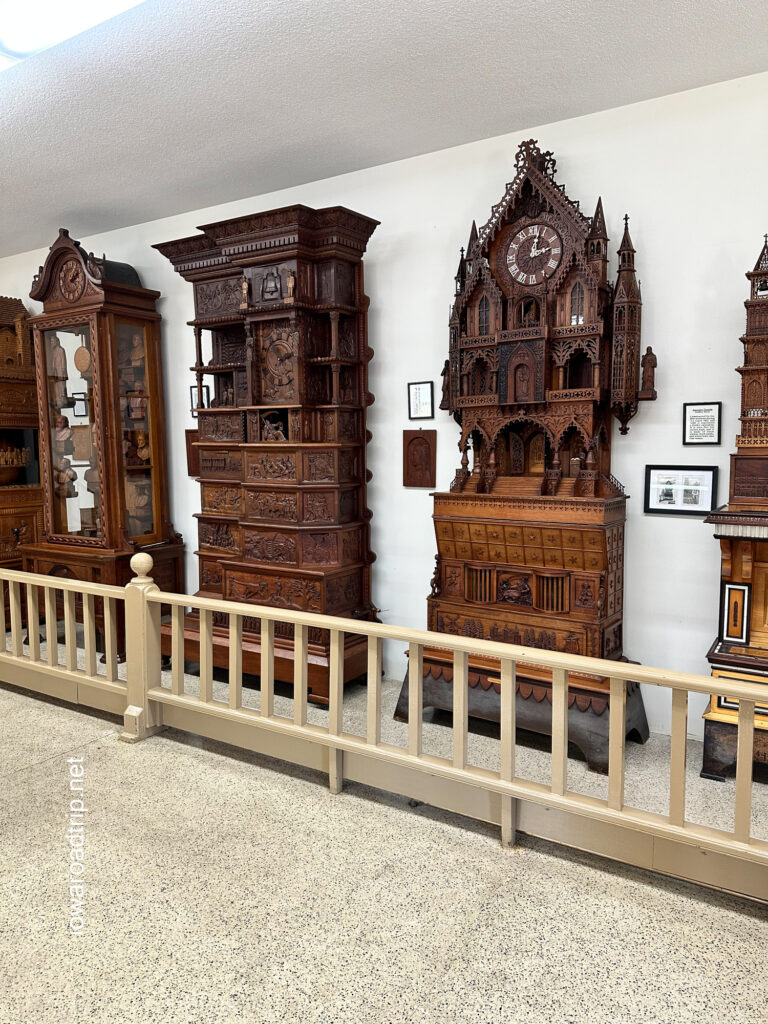
Stepping into the Bily Clocks Museum & Antonín Dvořák Exhibit is like opening a window into two very different but deeply intertwined stories from Iowa’s past — one of artistic folk craftsmanship and one of world‑renowned musical inspiration. This unique museum, located in the heart of Spillville, houses one of the most extraordinary collections of hand‑carved clocks you’ll ever see.
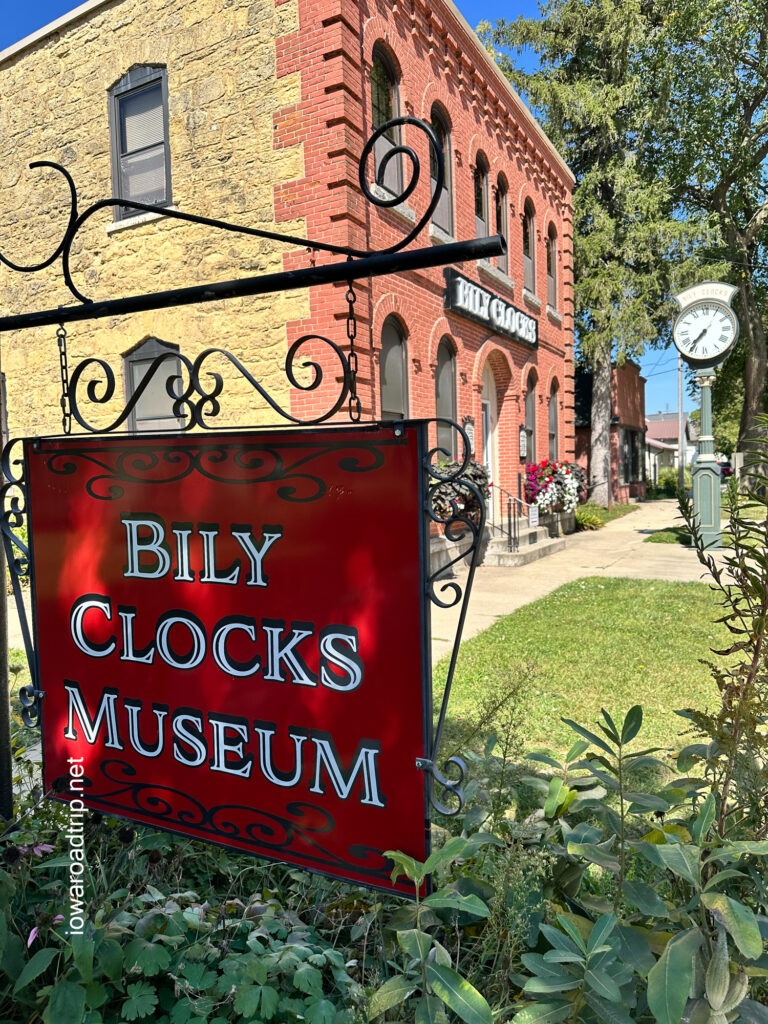
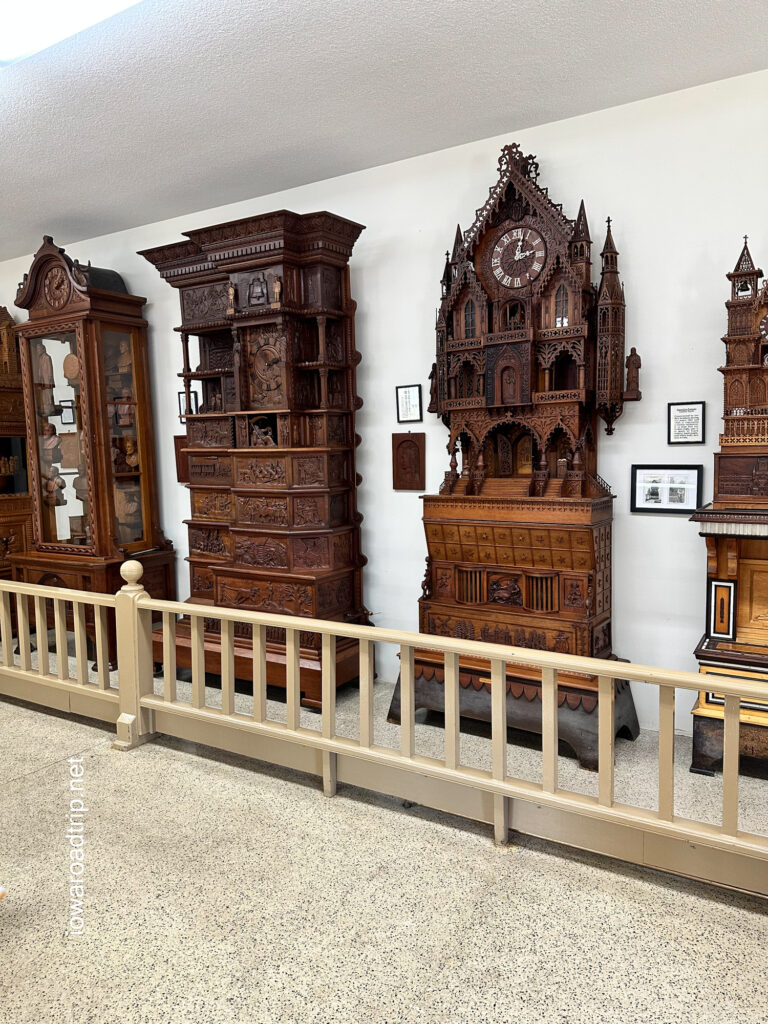
The clocks were created by brothers Frank and Joseph Bily, local farmers who turned what began as a hobby into a lifetime pursuit of craftsmanship. Starting around 1913, using simple tools — some of their own making — and woods like oak, walnut, and maple, the Bily brothers crafted over twenty massive clocks, each one a masterpiece of woodcarving and mechanical innovation.
What makes these clocks truly remarkable isn’t just their size (some stand nearly ten feet tall!) but the sheer level of detail in every figure and panel. You’ll find entire historical scenes, religious motifs, whimsical figures, and intricate patterns carved into each piece. Many clocks incorporate moving parts, chimes, and even tiny animations that bring the scenes to life on the hour — making each one as entertaining as it is impressive.
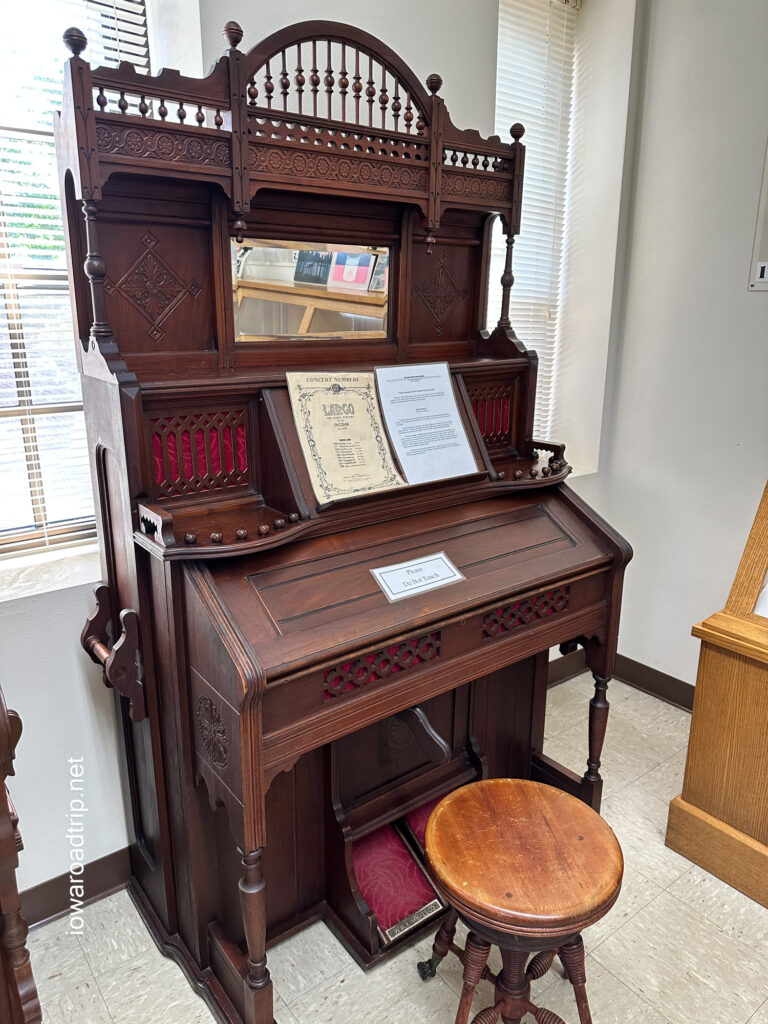
But the museum’s story goes beyond clocks. The building itself has musical history: in the summer of 1893, legendary Czech composer Antonín Dvořák — famous for works like his “New World Symphony” — lived upstairs with his family. Immersed in Spillville’s supportive Czech community and serene surroundings, Dvořák continued composing and absorbed the rhythms of rural American life.
Today, the second floor features a thoughtful exhibit dedicated to Dvořák. Here you’ll find instruments he played, letters, and memorabilia that help tell the story of his visit — a rare blend of European musical genius and Midwestern calm.
Visitors often describe the experience as stepping back in time. It’s a place where massive wooden clocks tick slowly, echoing the quieter pace of life in early 20th-century Iowa — and where inspiration once struck a celebrated composer amid the hum of everyday small-town living.
Visitor Tip: Plan at least an hour here to soak in the detailed carvings and take time to appreciate how both the clocks and the Dvořák exhibit encapsulate Spillville’s unique cultural heritage.
2) St. Wenceslaus Catholic Church — 207 Church St, Spillville, IA 52168
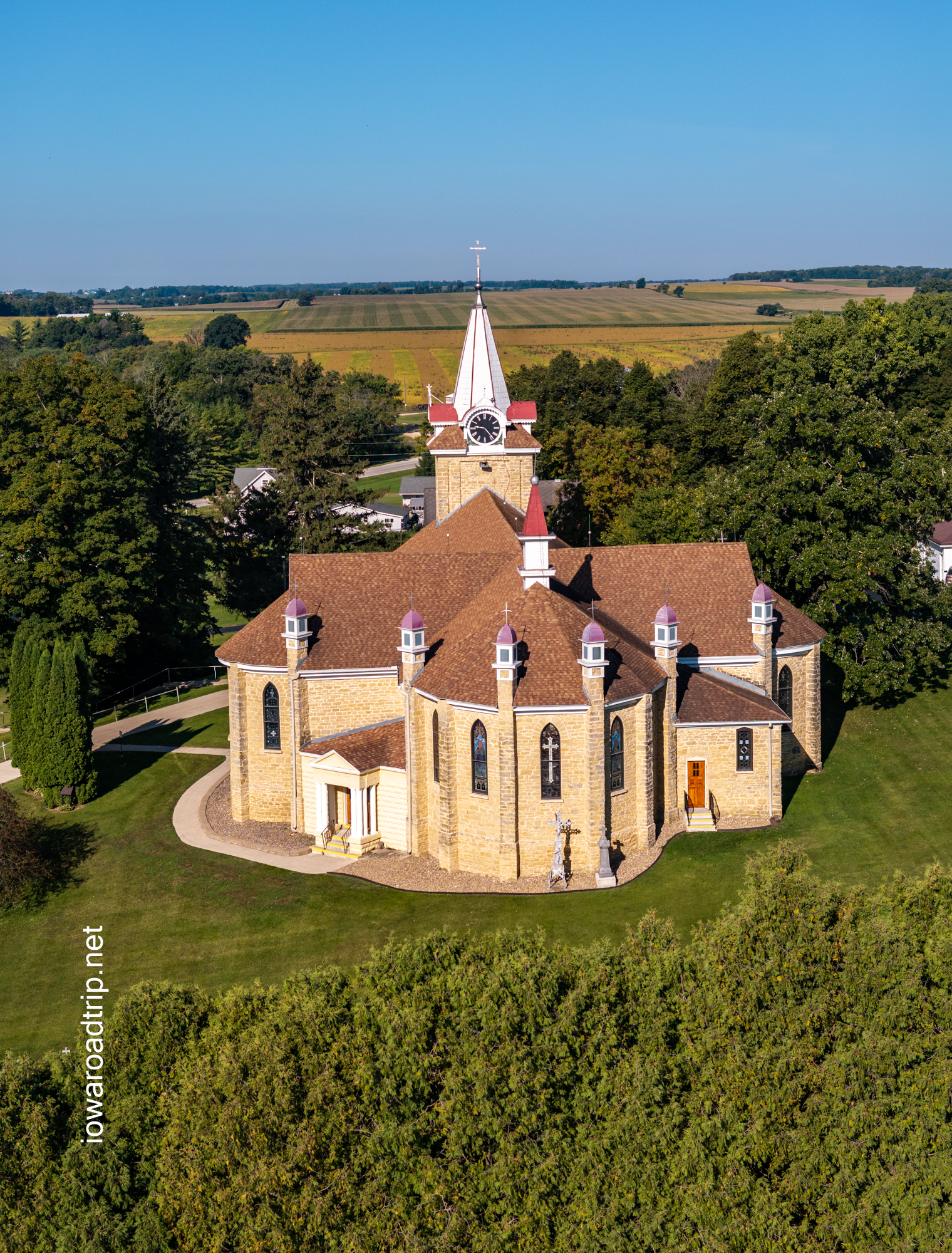
Just a short walk from downtown, St. Wenceslaus Catholic Church stands as a proud symbol of Spillville’s Czech heritage and enduring faith. Built in 1860 by Czech immigrants who settled in the area, the church is recognized as the oldest Czech Catholic church in the United States, making it a significant landmark not only for Spillville but for the history of Czech-American communities across the Midwest.
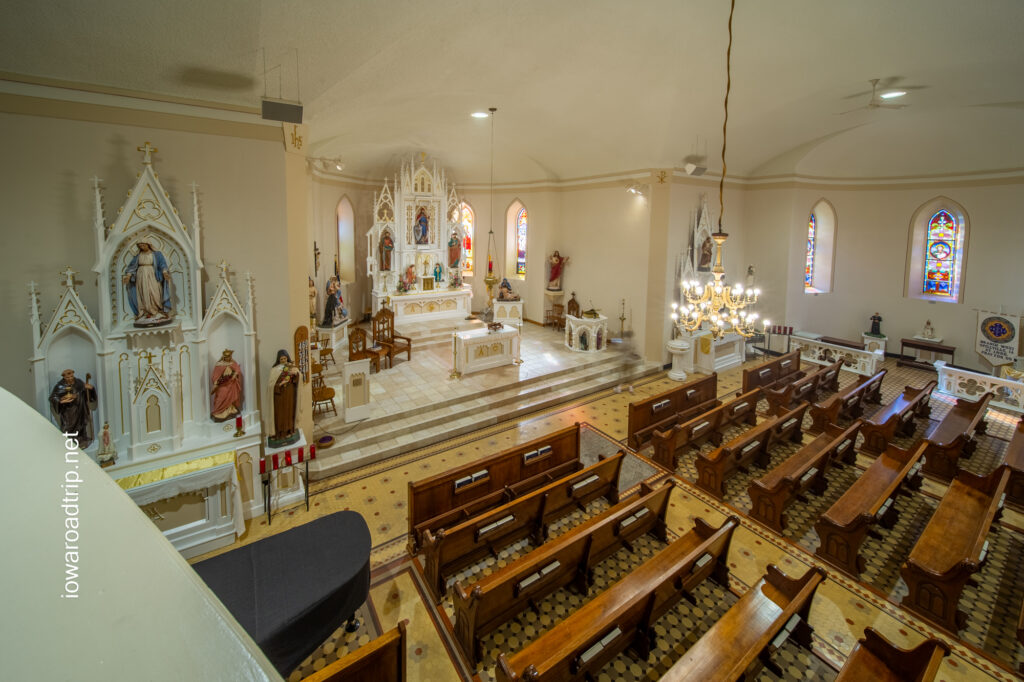
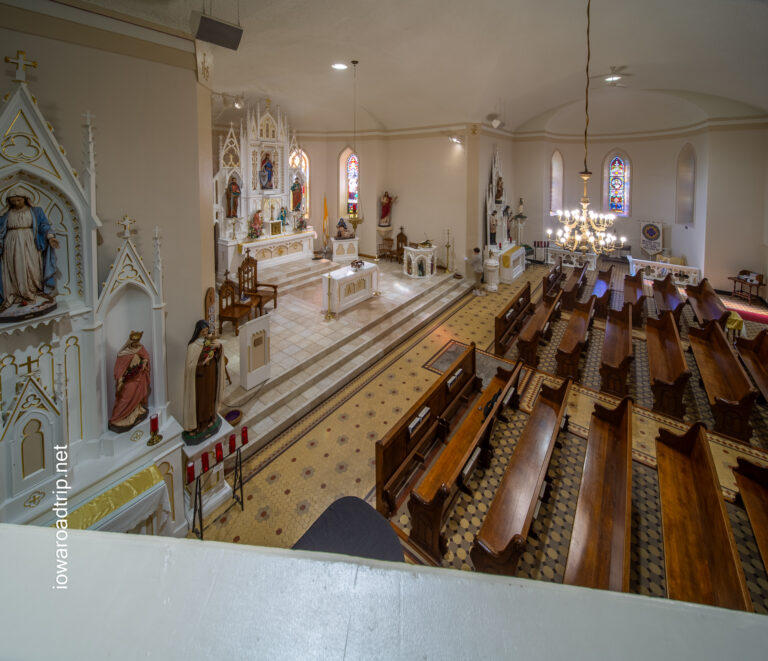
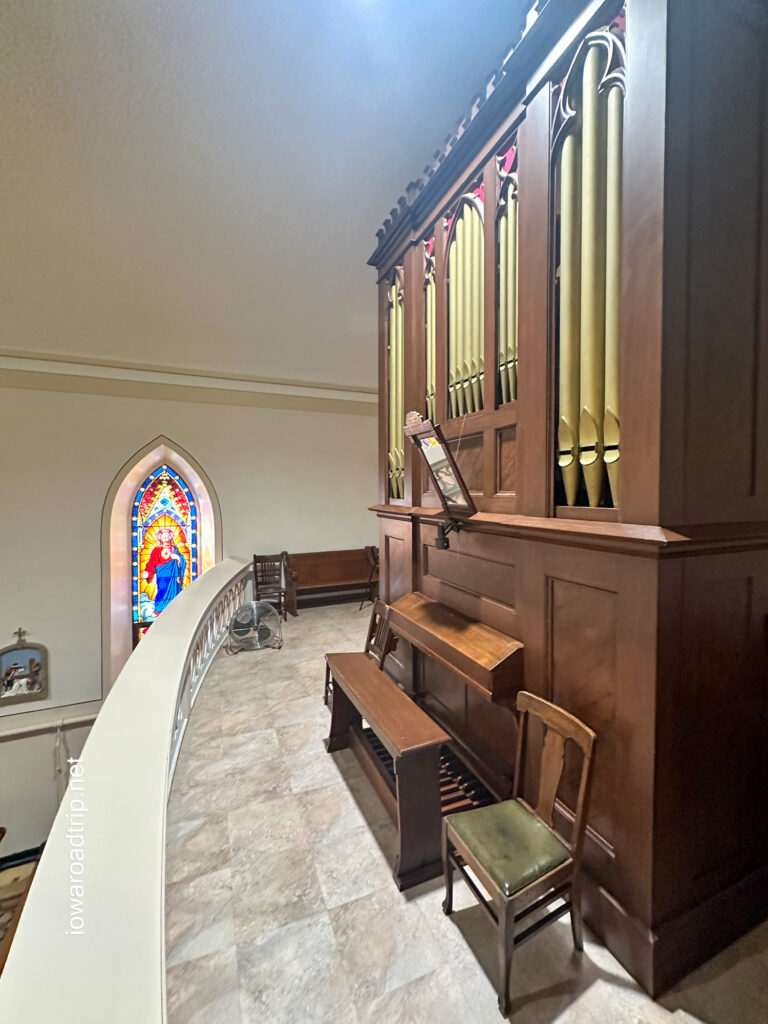
The architecture of St. Wenceslaus is a striking example of 19th-century Gothic Revival style, with its tall steeple reaching skyward and elegant pointed arch windows that filter sunlight into the nave. The exterior is simple yet stately, reflecting the practical sensibilities of early settlers who balanced aesthetic beauty with limited resources. Inside, visitors are greeted by a serene space filled with rich woodwork, traditional statues, and stunning stained-glass windows depicting scenes from the life of Christ and the patron saint Wenceslaus, the beloved Bohemian king and martyr.
What makes a visit to St. Wenceslaus especially meaningful is the connection it provides to Spillville’s early settlers. The church was not just a place of worship; it served as a gathering place where Czech immigrants maintained their language, traditions, and communal ties in a new land. It’s easy to imagine families arriving for Sunday mass over a century ago, dressed in their finest, exchanging news, and strengthening community bonds.
Art enthusiasts and history buffs will find plenty to admire. The ornate altar and hand-carved pews reflect the craftsmanship of local artisans, while the overall design harmonizes simplicity with elegance, allowing light and space to enhance the spiritual experience. Photography enthusiasts often pause to capture the play of sunlight on the stained glass or the architectural symmetry that frames the sanctuary.
Visitor Insight: Even if you are not attending a service, a visit to St. Wenceslaus provides a reflective moment and a deep sense of place. Wander the grounds, admire the architectural details, find the hidden grotto (its inside the church, but the entrance is outside the church on the east side) and imagine the generations of families for whom this church was the heart of community life. This is more than a historic building — it is a living testament to Spillville’s roots, faith, and enduring Czech heritage.
3) Inwood Ballroom — 116 Bridge St, Spillville, IA 52168
No visit to Spillville is complete without a stop at the Inwood Ballroom, a local gem that has been the heartbeat of community entertainment for generations. Built in the early 20th century, the Ballroom has seen everything from lively dances and polka nights to concerts featuring regional and national musicians. Its wooden floors, classic marquee, and historic charm give visitors a sense of stepping back in time while still enjoying the energy of a modern event.
The Ballroom is more than just a venue; it’s a gathering place where stories are shared, friendships are formed, and the community comes alive. Locals often describe it as a place “where everyone knows your name” — a true small-town experience that travelers rarely get to see. On summer weekends, the Ballroom comes alive with the sound of live music, from traditional polka bands to contemporary acts, offering a lively counterpoint to Spillville’s quiet streets.
Even outside of scheduled events, the Inwood Ballroom is worth a visit simply to appreciate its historic architecture and nostalgic vibe. The marquee, often decorated with announcements of upcoming dances or concerts, evokes a sense of Americana that photography enthusiasts love to capture. The interior’s high ceilings and original woodwork showcase craftsmanship from another era, giving visitors a tangible connection to Spillville’s past.
For music and dance lovers, attending a live event at the Inwood Ballroom is unforgettable. Imagine couples gliding across the polished wooden floors to the lively rhythms of a polka band, children tapping along to local tunes, and generations of residents enjoying the same traditions their grandparents celebrated. The experience highlights the cultural continuity of Spillville — a town that has preserved its Czech-American heritage not just in buildings or museums, but in the very rhythm of community life.
Pro Tip: Check the Inwood Ballroom’s schedule ahead of your trip. Timing your visit with a live dance, concert, or community gathering can transform a simple stop into a fully immersive experience that captures the spirit of Spillville. Whether you’re there for a show or just to admire the historic building, the Inwood Ballroom embodies the lively soul of this charming Iowa town.
Wrap‑Up: Why Spillville Should Be on Your Road Trip Map
Spillville may be small, but it’s rich with stories, culture, and experiences you won’t find just anywhere. From the artistic genius of the Bily clocks to the history of Antonín Dvořák’s stay, from historic architecture to live music that still brings people together — this town delivers memorable moments at every turn.
So next time you’re planning a Northeast Iowa adventure, make room on your itinerary for Spillville. It’s a place where history lives through art and tradition, and where visitors leave with both inspiration and a smile.