Road Trip Guide to the Amana Colonies in Iowa: What to See, Eat, Shop and Do
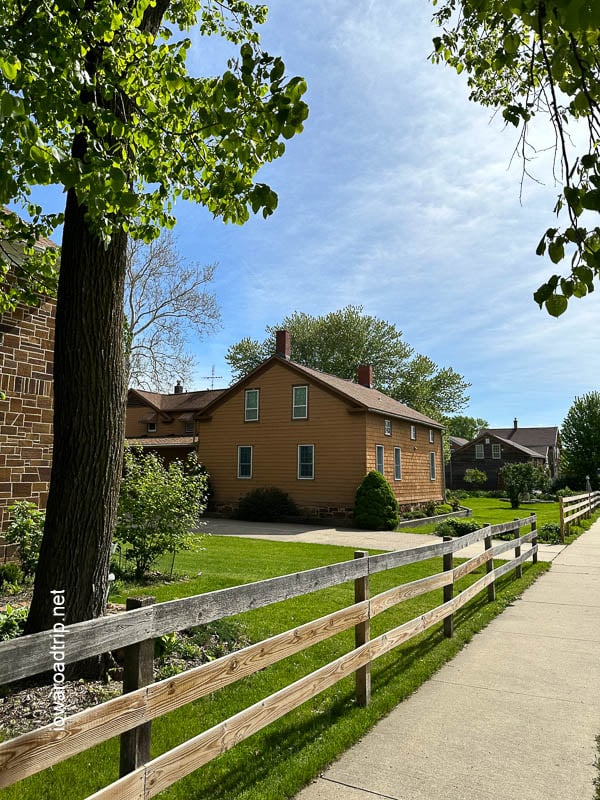
The Amana Colonies are one of those Iowa road trips where the best plan is to slow down and leave room for unexpected stops.
This is not a single attraction where you pull in, take one photo and leave. The Amana Colonies are a group of seven historic villages in east-central Iowa, filled with stone buildings, museums, restaurants, wineries, breweries, shops, inns and stories dating back to the community’s arrival in Iowa in 1855.
Whether you are coming for a traditional meal, a festival weekend, handmade goods, local history or a quiet overnight stay, here is what to know before visiting the Amana Colonies.
Quick visitor information
Location: Iowa County in east-central Iowa
Main visitor area: The village of Amana, sometimes informally called Main Amana
Good first stop: Amana Colonies Visitors Center, 622 46th Ave., Amana
Best for: History, German-style food, museums, guided tours, festivals, shopping, wineries, breweries, local art and weekend getaways
How much time to allow: A few hours for a quick visit, a full day for a better first trip or a weekend for a more relaxed experience
The Visitors Center is located inside a restored corn crib and offers maps, brochures, restaurant menus and current information about businesses and events throughout the Colonies.
First, understand the seven villages
One of the most important things for first-time visitors to understand is that the Amana Colonies are not just one town.
The seven villages are:
- Amana
- East Amana
- High Amana
- Middle Amana
- South Amana
- West Amana
- Homestead
The village of Amana contains many of the restaurants, shops and attractions that visitors recognize, but the complete destination extends across all seven villages.
You may eat in one village, visit a museum in another and stay overnight somewhere else. A vehicle is generally the easiest way to explore the area because the villages are spread across the countryside rather than connected as one walkable district.
Start at the Amana Colonies Visitors Center
The Amana Colonies Visitors Center is a helpful first stop, especially if this is your first visit.
Pick up a map, ask what is open that day and check for current tours, demonstrations and special events. Hours can vary among museums, restaurants and smaller shops, so a quick stop at the Visitors Center can help you avoid arriving somewhere after it has closed.
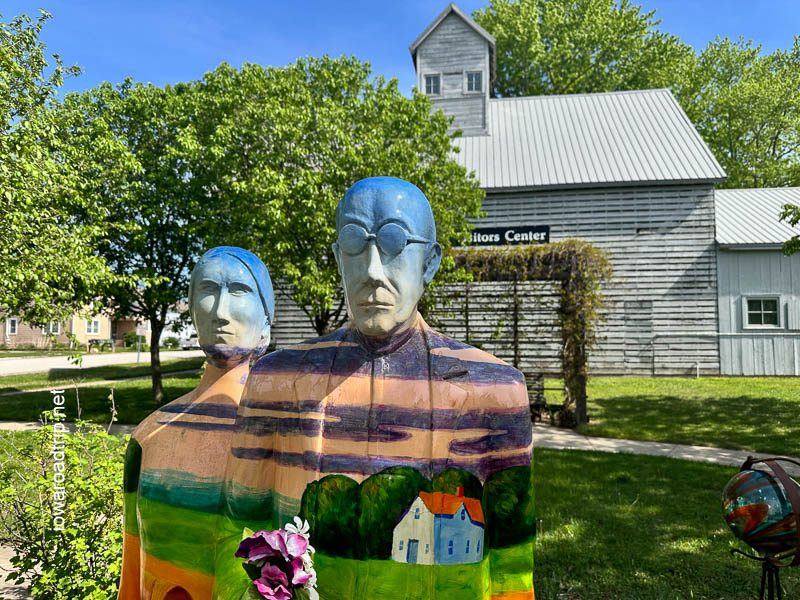
The Visitors Center also houses the offices of the Amana Colonies Convention and Visitors Bureau.
Take the Village Voyage Van Tour
One of the best ways to understand the Amana Colonies is to take the Village Voyage Van Tour.
The approximately 2½-hour guided tour travels to several historic sites in a climate-controlled passenger van. Along the way, visitors learn about the group’s journey from Germany to Iowa, the communal way of life that continued until 1932 and the roles that agriculture, gardens, religion and shared labor played within the villages.
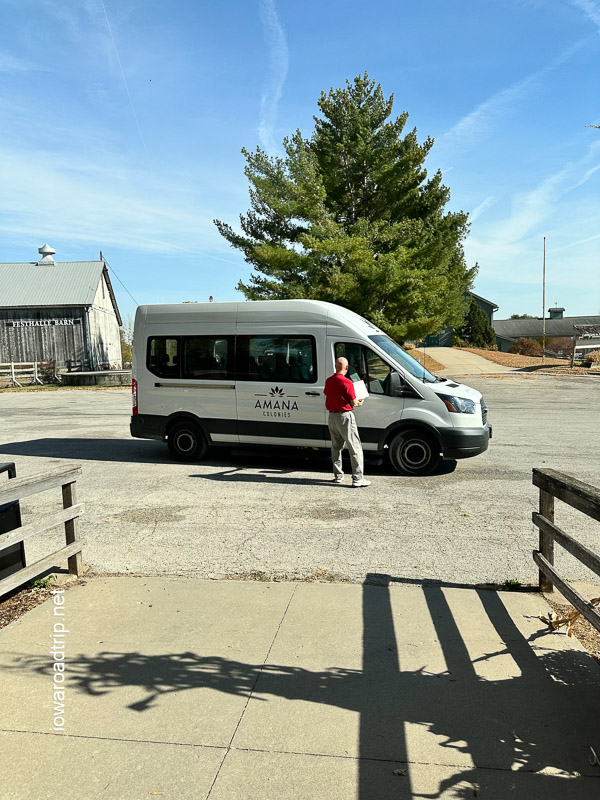
The tour is especially helpful for visitors who want to understand the history behind the buildings, churches, general stores and traditional foods they will encounter throughout the day.
Tours generally operate from May through October, with availability dependent on guides, weather and the number of participants. Reservations are recommended and must be made by calling the Amana Colonies Visitors Center at 319-622-7622.
Tour schedules, prices and participation requirements can change, so confirm the current details when making your reservation.
The van and some historic tour sites may not be fully accessible. Visitors with mobility concerns should contact the Visitors Center before booking to discuss available accommodations.
Iowa Road Trip tip: Take the Village Voyage early in your visit. The background it provides will make the museums, historic buildings and traditional businesses more meaningful later in the day.
A short history of the Amana Colonies
The story of the Amana Colonies began in Germany in 1714 with a religious group known as the Community of True Inspiration.
After facing persecution and searching for a place where they could practice their beliefs, members of the group eventually immigrated to the United States. They first established a settlement in New York before moving to Iowa in 1855.
In Iowa, they founded seven villages and developed one of America’s longest-lasting communal societies.
Families did not cook individual meals in their homes. Instead, food was prepared in communal kitchens. Farming, manufacturing, household work and other responsibilities were organized across the villages as part of a shared economic and religious system.
The communal system ended in 1932 during a major reorganization known as the Great Change. The community remained intact, but residents began working for wages and operating businesses under a more conventional economic structure.
That history helps explain the architecture, kitchens, mills, meat shops, churches and traditional foods visitors still find throughout the Colonies today.
The Amana Colonies are recognized as a National Historic Landmark.
Visit the Amana Heritage Museum
The Amana Heritage Museum is one of the best places to begin exploring the community’s history.
Exhibits explain the origins of the Community of True Inspiration, the move to Iowa, daily life during the communal era and the changes that followed the Great Change of 1932.
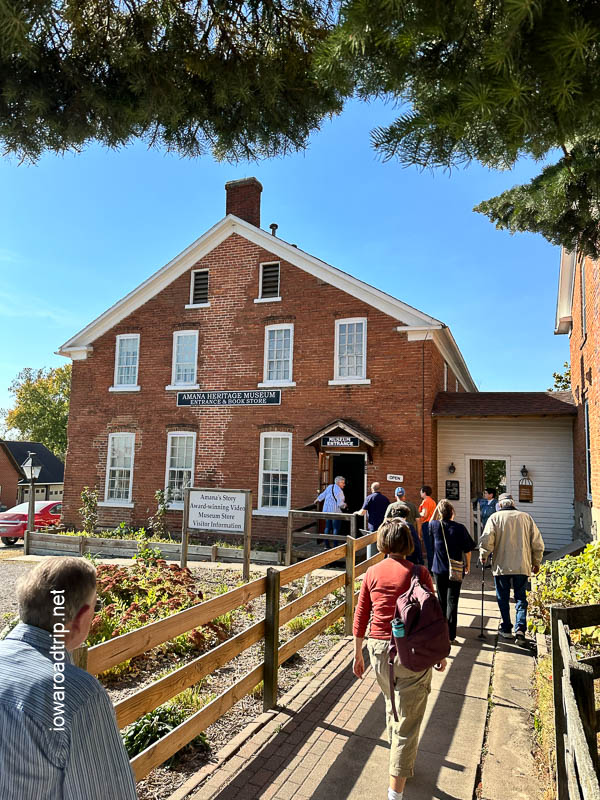
The museum provides helpful context for the rest of the trip. Instead of simply seeing old stone buildings and historic businesses, visitors gain a better understanding of how the villages functioned and why their communal system lasted for so many years.
The Amana Heritage Society operates several historic sites throughout the Colonies, including:
- Amana Heritage Museum
- Communal Kitchen and Cooper Shop Museum
- High Amana General Store
- Homestead Church Museum
- Homestead Folk Art Museum
Hours vary by location and season. Some sites have reduced hours or close during winter and early spring, so check the current schedule before planning your route.
See the Communal Kitchen and Cooper Shop Museum
The Communal Kitchen and Cooper Shop Museum in Middle Amana offers a closer look at everyday life during the communal period.
Instead of preparing meals at home, residents ate food made in a network of village kitchens. Each kitchen served several nearby families, with workers preparing meals according to established menus and schedules.
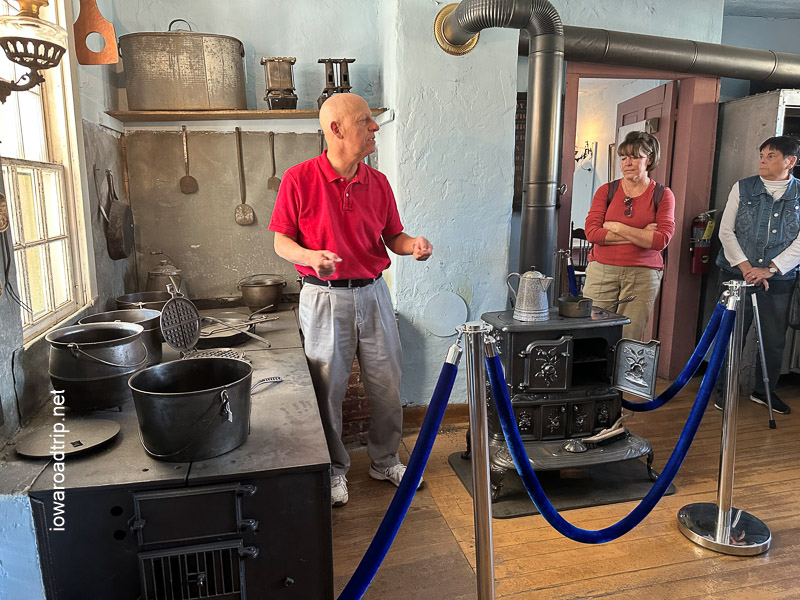
The preserved kitchen helps visitors picture how much planning and labor were required to feed an entire community.
The neighboring cooper shop highlights another important trade. Coopers produced wooden barrels, buckets and other containers needed for food storage, farming and industry.
Together, the two buildings show how work, meals and household life were organized within the communal system.
Come hungry: Food is part of the Amana experience
Food is one of the biggest reasons people visit the Amana Colonies.
Traditional restaurants are known for hearty meals inspired by German and Amana recipes. Depending on the restaurant and menu, you may find dishes such as schnitzel, bratwurst, sauerkraut, spaetzle, smoked meats, fried chicken, potatoes, homemade bread and family-style sides.
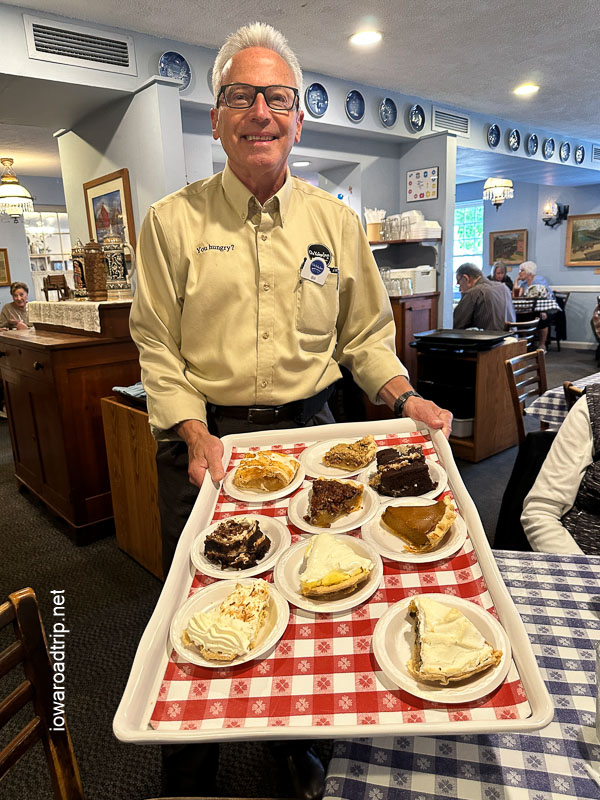
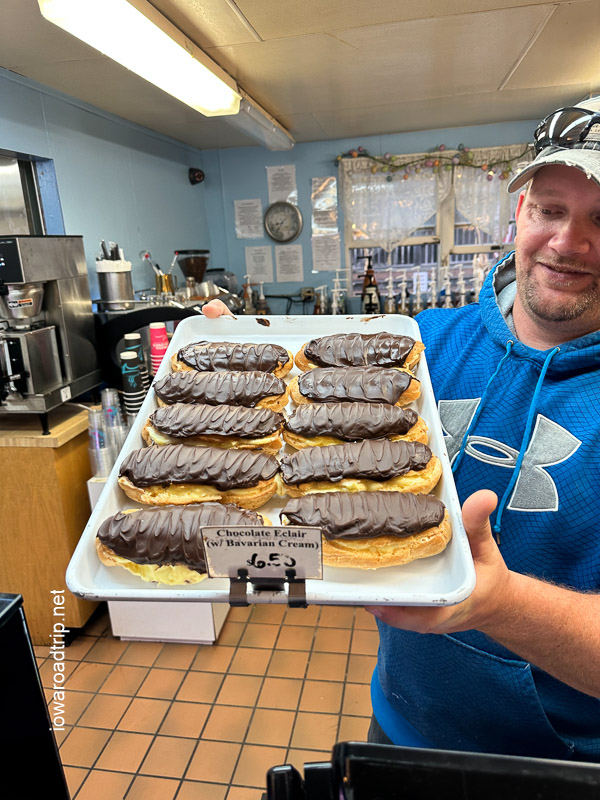
The area also includes bakeries, cafés, candy shops and specialty food stores where visitors can purchase items to take home.
The Amana Meat Shop & Smokehouse is one example of how local food connects with the community’s history. During the communal era, each village had a meat shop and smokehouse where ham, bacon and sausage were prepared and preserved.
Today, shopping for smoked meats, cheese, baked goods and other foods remains a popular part of an Amana road trip.
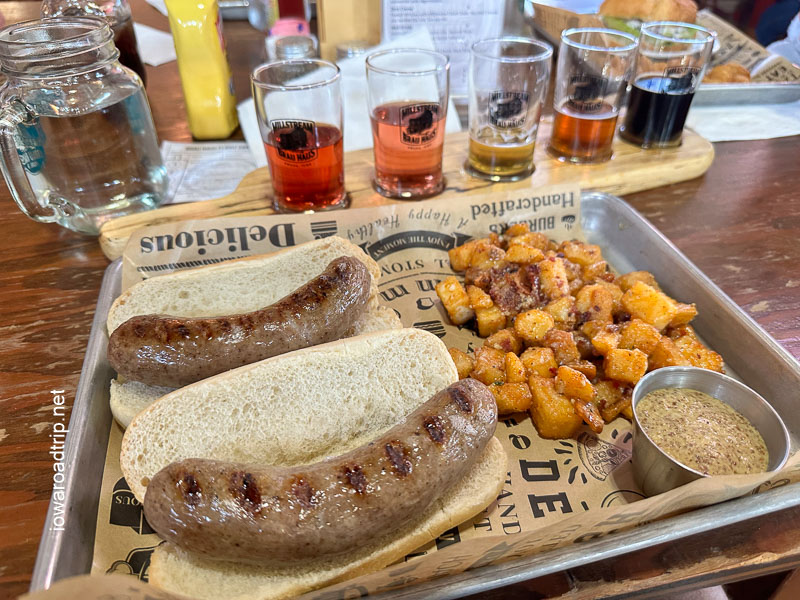
During festival weekends and other busy dates, restaurants can fill quickly. Consider eating earlier or later than the usual lunch and dinner rush, and check whether your preferred restaurant accepts reservations.
Bring a cooler if you plan to purchase meat, cheese or other refrigerated products.
Breweries, wineries and places to sip
The Amana Colonies also offer several places to enjoy wine, beer, cider, coffee or a nonalcoholic specialty drink.
Depending on your group, that might mean a wine tasting, a German-style beer, a brewery patio or a quiet drink after lunch.
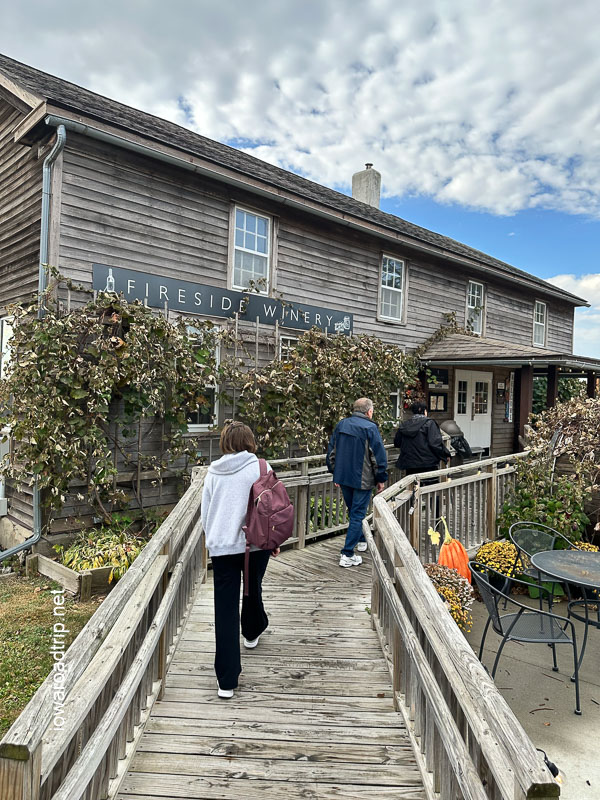
Fireside Winery’s Amana location offers wine and hard-cider samples along with gifts, charcuterie items and seating in its tasting room and outdoor wine garden.
The area also includes brewery and beer-hall experiences, along with shops serving root beer, cream soda and other nonalcoholic options.
For a day trip, choose one or two drink stops rather than trying to fit every option into a single afternoon. Be sure to designate a driver when alcohol is part of the itinerary.
Shopping, handmade goods and historic general stores
Shopping is one of the biggest attractions in the Amana Colonies, and it deserves more than a quick walk through one store.
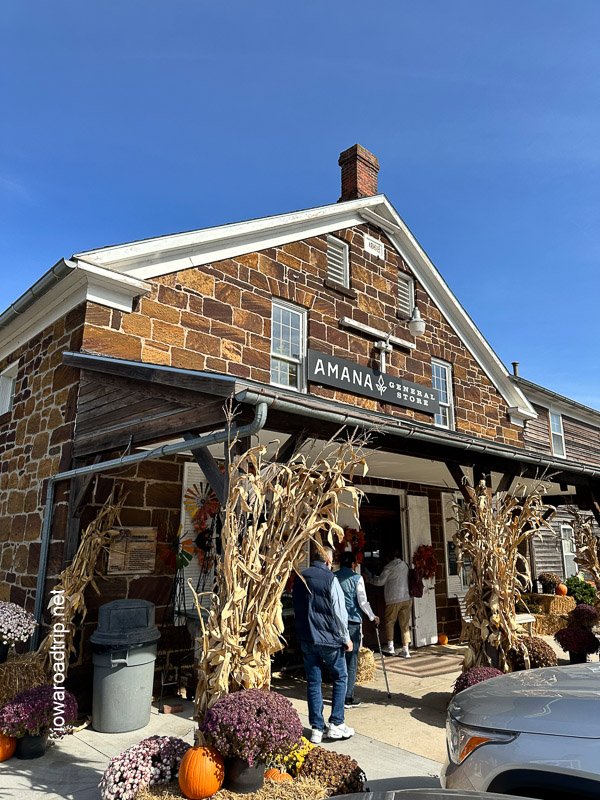
Instead of national chains and mall-style shopping, you will find a collection of independent shops selling a wide range of products, including:
- Antiques
- Locally made goods
- Quilts and needlework
- Furniture and home décor
- Pottery and artwork
- Books and gifts
- Specialty foods
- Clothing and accessories
- Candles, soaps and bath products
- Garden art and seasonal décor
Creative Colony carries a broad selection of handcrafted products, including furniture, framed artwork, quilts, baskets, pottery, rugs, candles, soaps, stained glass and garden pieces.
Heritage Designs Quilting and Needlework is a destination for quilting, cross-stitch, embroidery and tatting supplies, with thousands of fabric choices.
Several shopping stops also connect directly to the Colonies’ history.
During the communal era, each village maintained a general store that supplied residents and served customers from surrounding farms and communities. The High Amana General Store preserves that part of the story while continuing to welcome shoppers.
Give yourself at least an hour to browse, and allow longer if shopping is one of the main reasons for your visit.
Arts, theatre and live entertainment
The Amana Colonies have a creative side that extends beyond their historic buildings.
Visitors may find local art, traditional folk art, handmade crafts, live music, theatre performances and seasonal demonstrations. Available activities change throughout the year, especially during festivals and holiday events.
Check the current events calendar before your visit to see whether performances, workshops or demonstrations are scheduled.
Festivals and the best times to visit
The Amana Colonies can be visited throughout the year, but festivals create a very different experience from an ordinary weekend.
Major annual events include:
- Winterfest
- Maifest
- Wurst Festival
- Oktoberfest
- Tannenbaum Forest
- Prelude to Christmas
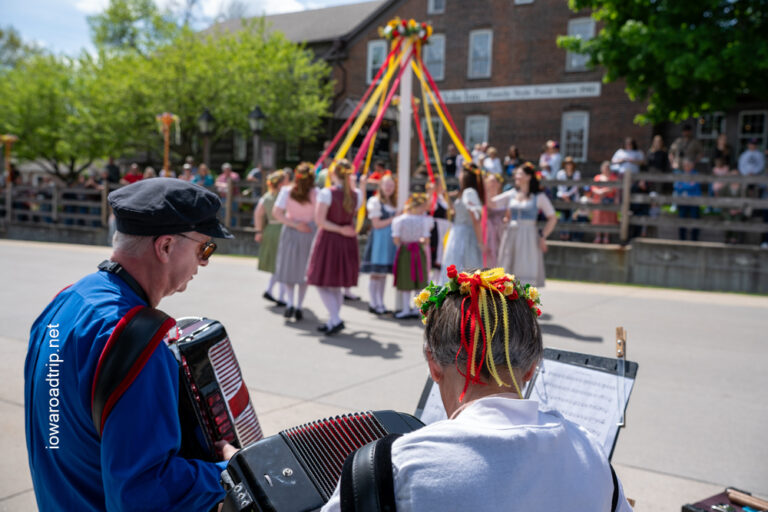
Spring brings Maifest and the return of outdoor activities.
Summer includes Wurst Festival, a celebration centered on sausage, food, music and entertainment. The 2026 Wurst Festival is scheduled for June 19 and 20.
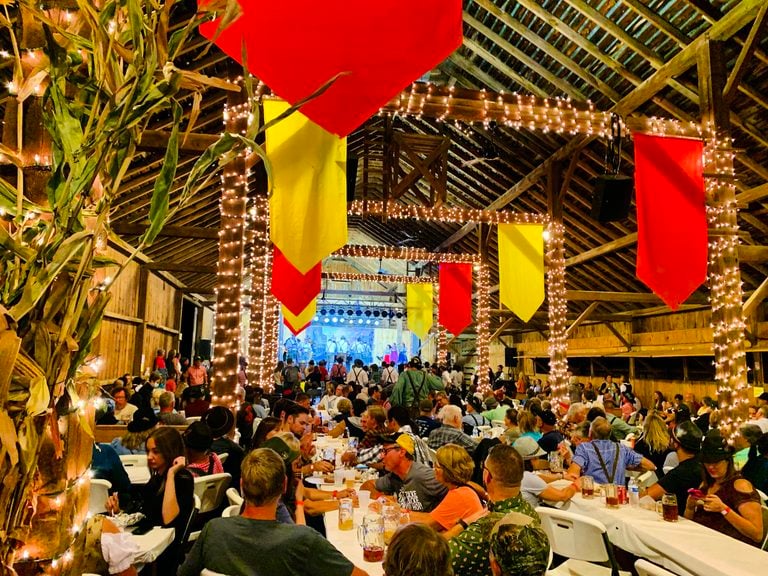
Fall is one of the most popular times to visit, especially during Oktoberfest. The four-day celebration includes German food, music, traditional clothing and activities throughout the Colonies. The 2026 Oktoberfest is scheduled for October 1 through 4.
The holiday season brings Tannenbaum Forest and Prelude to Christmas. Tannenbaum Forest is scheduled for Fridays, Saturdays and Sundays from November 27 through December 20, 2026.
Festival dates and schedules can change, so verify details before traveling.
Choose a festival weekend if you want music, entertainment and a more energetic atmosphere. Visit on a non-festival weekday or weekend if you prefer lighter crowds and more time to explore shops and historic sites.
Where to stay in the Amana Colonies
Although you can see a good portion of the Amana Colonies in one day, an overnight visit allows more time for dinner, drinks, shopping, museums and exploring the smaller villages.
Lodging options include hotels, inns, bed-and-breakfasts, campgrounds and RV sites.
Two of the best-known lodging options are:
Hotel Millwright
Hotel Millwright is located in a former woolen mill in Amana. The restored industrial building combines modern hotel accommodations with features connected to the site’s manufacturing history.
Die Heimat Country Inn
Die Heimat Country Inn is a bed-and-breakfast in Homestead. It offers a quieter, more traditional overnight experience within one of the seven villages.
Lodging can fill during Oktoberfest, holiday events and other major weekends, so reserve early when visiting during a festival.
Essential planning tips
Before leaving home, check current hours for museums, restaurants and independently owned shops. Seasonal hours are common, and some businesses may be closed on certain weekdays.
Wear comfortable shoes, especially if you plan to spend several hours walking through the village of Amana.
Remember that the seven villages are spread across the countryside. Although much of central Amana can be explored on foot, you will need a vehicle to reach many attractions in the other villages.
During major festivals, expect larger crowds, limited parking near popular activities and longer waits at restaurants.
For a first visit, select a few priority stops rather than trying to see every shop, museum and village in one day.
Are the Amana Colonies worth visiting?
Yes, especially for travelers who enjoy history, local food, independent shops and destinations with plenty of character.
A good first visit might include the Visitors Center, a museum, a traditional meal, time for shopping and one winery or brewery. Add the Village Voyage Van Tour if you want a deeper understanding of the community’s history.
The Amana Colonies are not about rushing from one major attraction to another. Plan a few must-see stops, allow time to wander and explore more than just the main village.
That is often when the best Amana discoveries happen.
This version keeps the same overall content and practical focus while making the article more direct and easier to scan.