Inside Heartland Museum: Tractors, Main Streets and 4-H History in Clarion
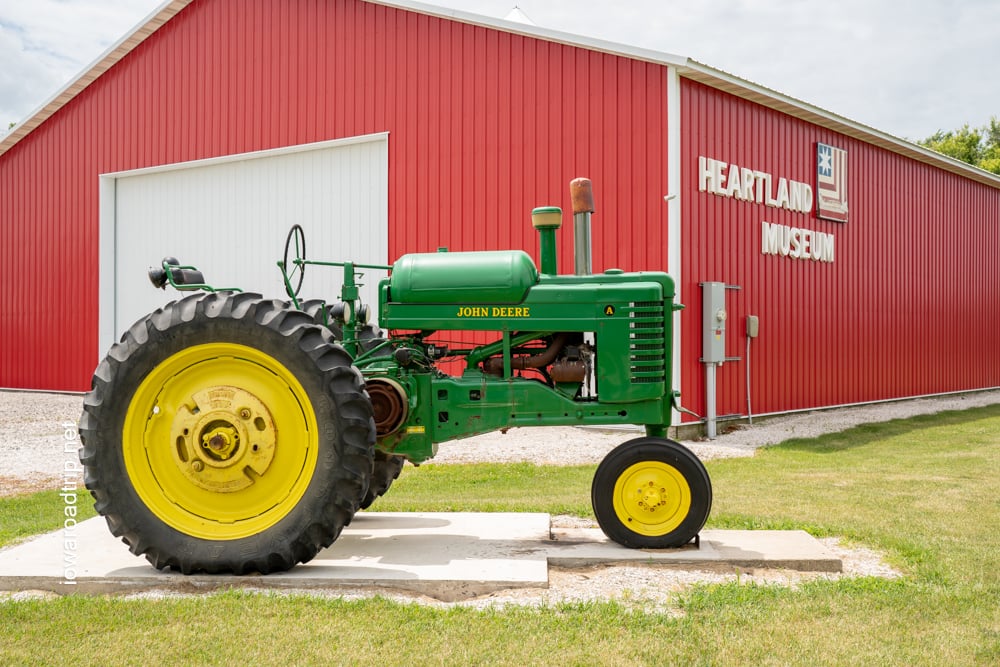
At first glance, Heartland Museum in Clarion may seem like a destination built mainly for antique tractor enthusiasts.
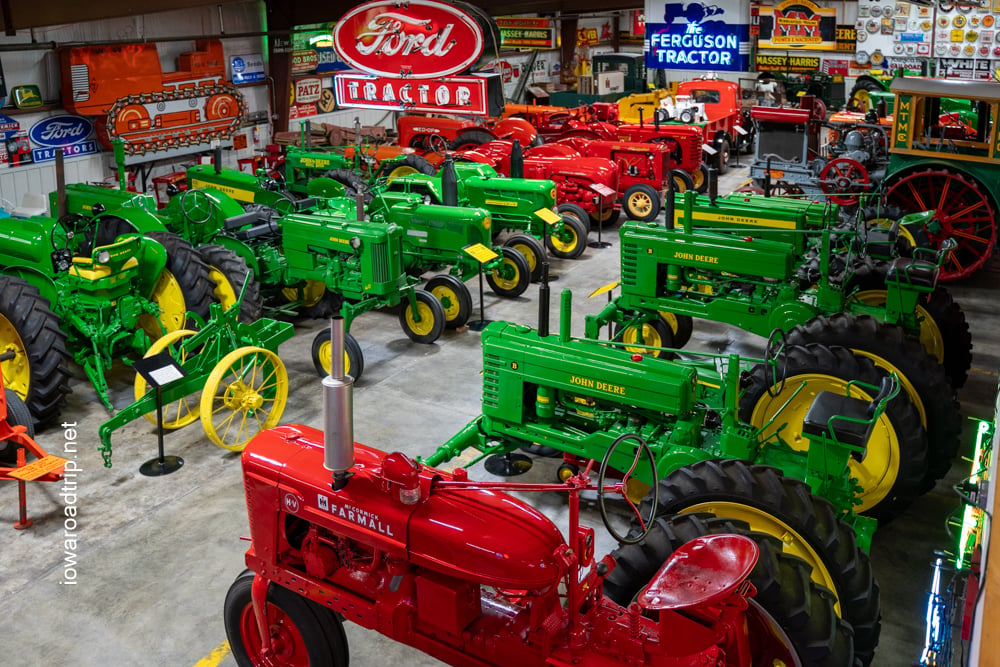
There are plenty of tractors—approximately 100 of them—but they are only part of the story.
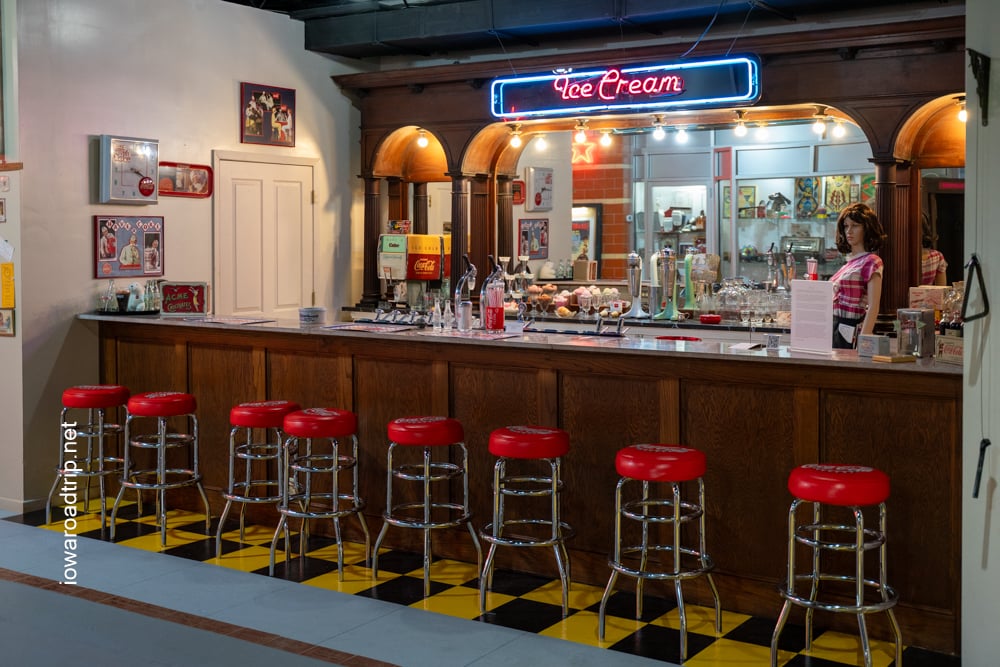
The museum also has recreated small-town streets, thousands of miniature farm and construction models, teddy bears, military displays, handmade replicas and hats once owned by Clarion’s well-known “Iowa Hat Lady.” You can even step inside a one-room schoolhouse connected to the creation of the 4-H emblem.
Heartland Museum covers rural and small-town life in Wright County from roughly 1850 through 1950. Its theme is “from horse-drawn to horsepower,” but you do not need to be a farm machinery expert to enjoy it.
Plan on spending at least two hours exploring the museum complex.
Quick visitor information
Heartland Museum
Address: 119 SW Ninth St., Clarion, Iowa 50525
Official website: https://www.heartlandmuseum.org/
2026 summer season: May 27–Sept. 5
Hours: Wednesday through Saturday, 10 a.m.–4 p.m.
Last admission: 2 p.m.
Monday and Tuesday: By appointment
Sunday: Closed
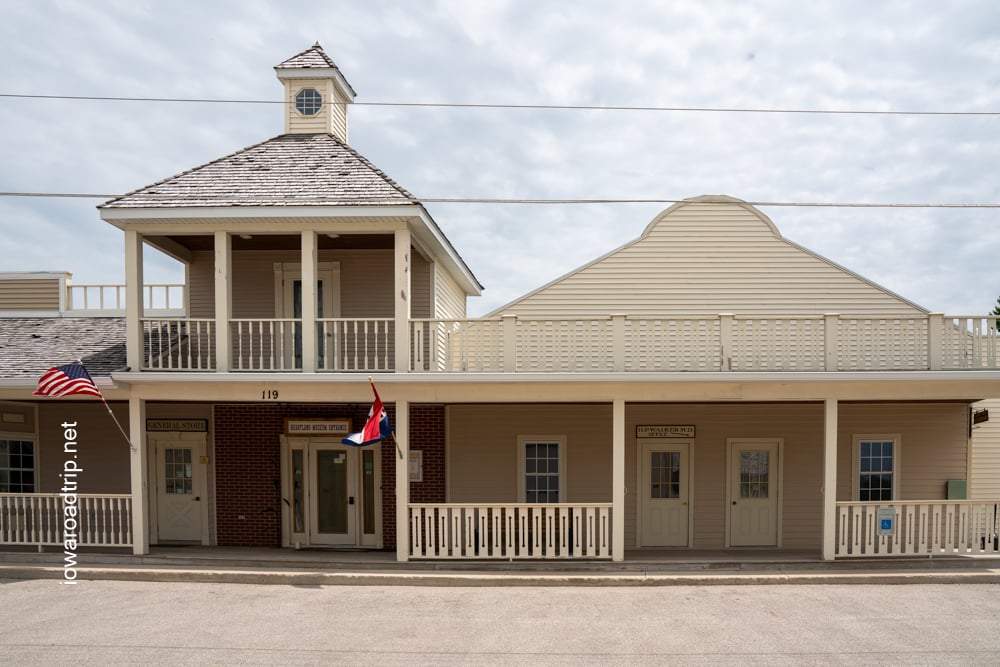
Admission:
- Adults: $12
- Children ages 6–13: $6
- Children 5 and younger: Free
Admission includes the main museum, Agriculture Hall, the Big Red Shed, the Outdoor Learning Center and the 4-H Schoolhouse Museum.
Guided tours are available by advance request. The museum can also be visited by appointment outside the regular summer season. Call 515-602-6000 to make arrangements.
Do not arrive too close to closing time
One detail is especially important when planning your visit: although the museum closes at 4 p.m., the final admission is at 2 p.m.
That gives you enough time to see the different buildings without rushing. Heartland Museum is not a quick 30-minute roadside stop. Between the machinery halls, Main Street displays, personal collections and schoolhouse, there is much more here than the outside of the building may suggest.
Walk through three eras of small-town life
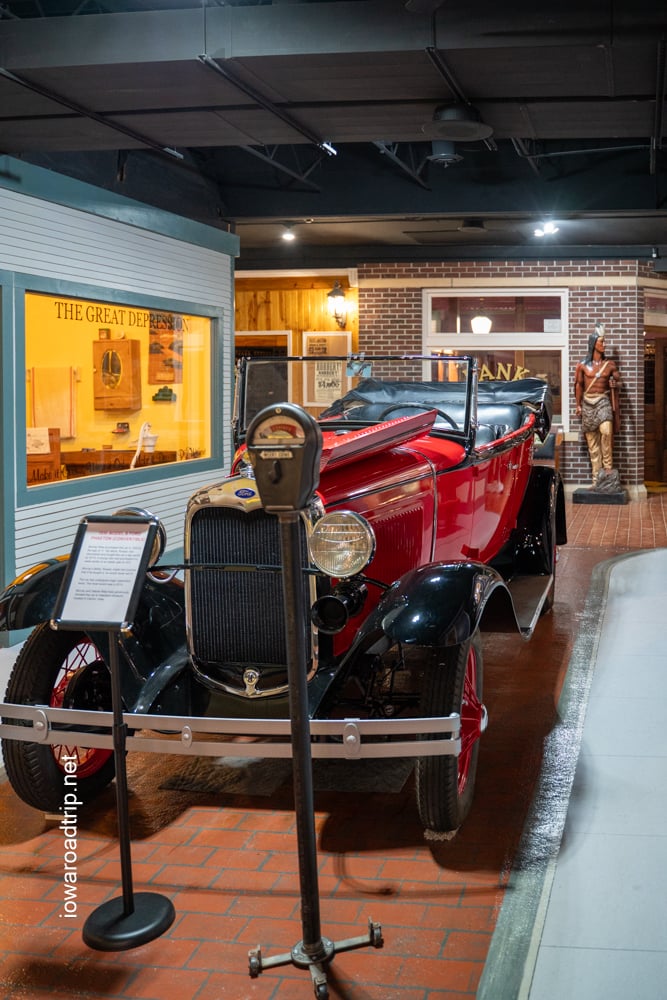
Inside the main museum, recreated streetscapes represent three different periods:
- The Victorian era
- The 1930s
- The 1950s
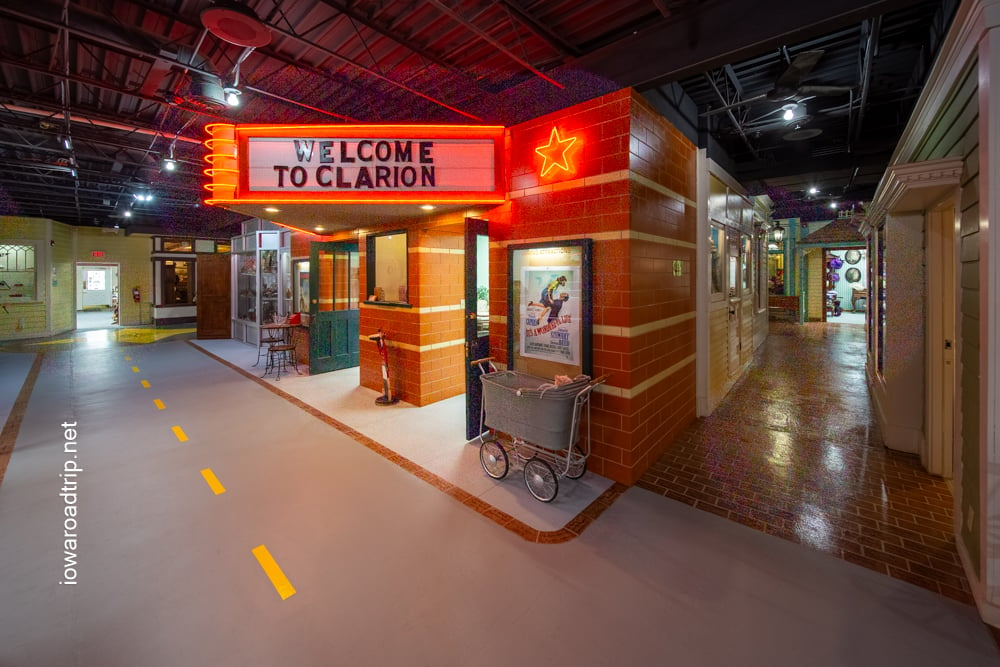
The storefronts are filled with signs, furniture, clothing and everyday objects showing how Iowa homes and businesses changed over several generations.
Adults may recognize something from their childhood or a grandparent’s home. Children are more likely to notice the unusual objects, colorful signs and things that have disappeared from modern stores.
These displays are also a good reminder that Heartland Museum is not just about farm machinery. The small-town scenes give visitors who are less interested in tractors plenty to explore.
Explore Agriculture Hall
Agriculture Hall contains more than 16,000 square feet of farm and construction equipment displayed across two levels.
You will find restored tractors, construction machinery, horse-drawn wagons, carriages, sleighs and farm implements. Together, Agriculture Hall and the Big Red Shed hold approximately 100 restored tractors.
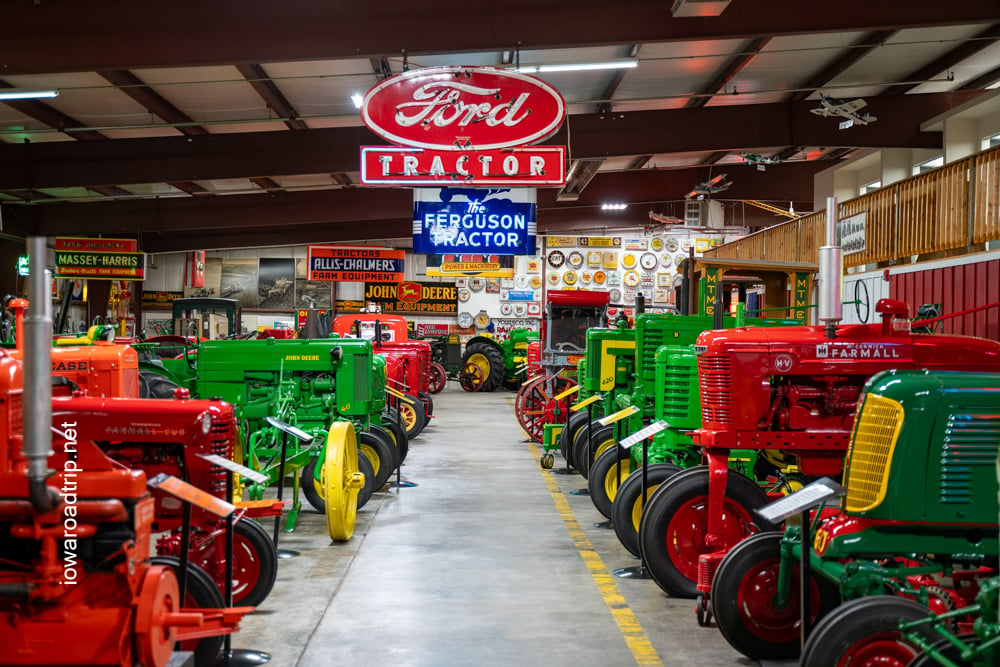
You do not need to know the manufacturers or model numbers to appreciate the collection. Seeing the machines lined up makes it easier to understand how farming changed as horses and hand-operated equipment gave way to engine-powered machinery.
The hall also contains vintage agricultural clocks and advertising signs. One of the standouts is a working neon sign that is nearly as large as the tractor it advertises.
Do not skip the balcony
With so many full-size machines on the main floor, it would be easy to overlook the balcony.
Upstairs, you will find more than 2,000 collectible farm and construction models. Some are familiar toy tractors, while others are detailed miniature versions of equipment displayed elsewhere in the museum.
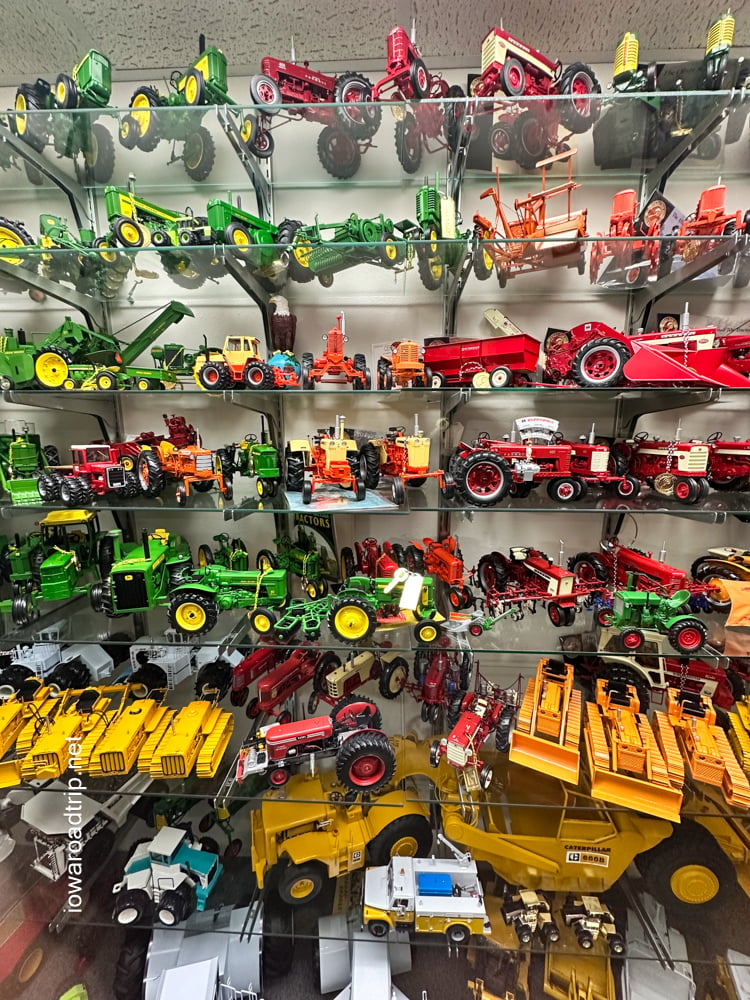
The area beneath the balcony includes exhibits about Wright County history, the North Central Antique Tractor Club of Iowa, ice harvesting and railroads. There is also a working railroad display that may be especially popular with children.
Take time to look closely. Some of the smaller displays are easy to pass by when the tractors naturally command most of the attention.
Continue into the Big Red Shed
The tractor collection does not end in Agriculture Hall.
The Big Red Shed contains additional tractors and agricultural equipment. Serious machinery enthusiasts could spend a long time comparing individual models and manufacturers. Everyone else can still enjoy the range of colors, sizes and designs without needing to know the technical details.
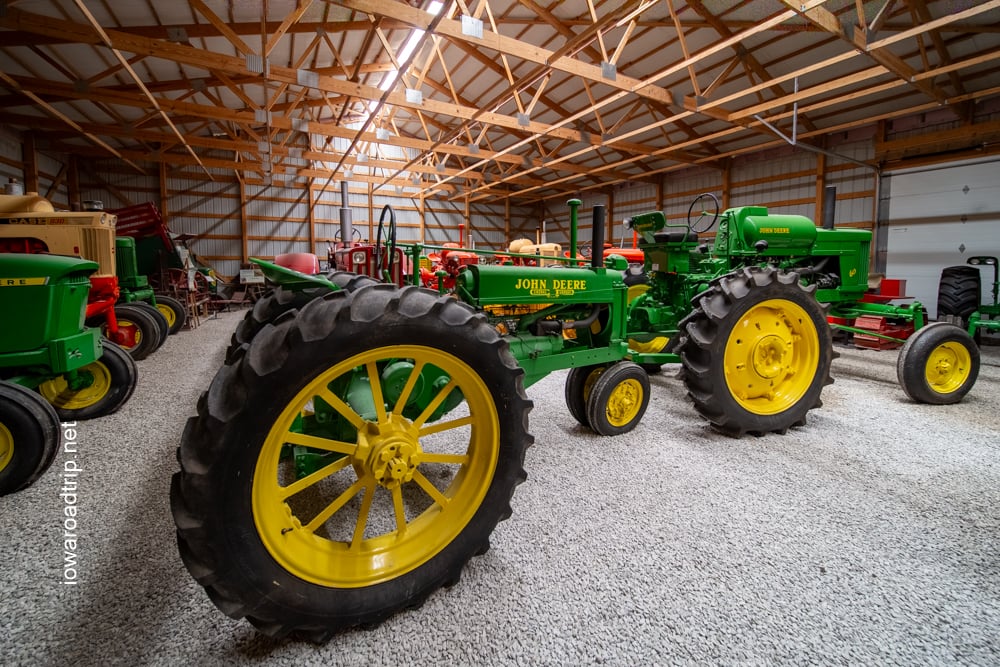
The building helps show just how large the museum’s agricultural collection really is.
Visit the schoolhouse connected to the 4-H emblem
One of the most important historical stops at Heartland Museum is the 4-H Schoolhouse Museum.
The one-room schoolhouse is associated with O.H. Benson, a former Wright County superintendent of schools who is credited with originating the four-leaf-clover 4-H emblem in 1907.
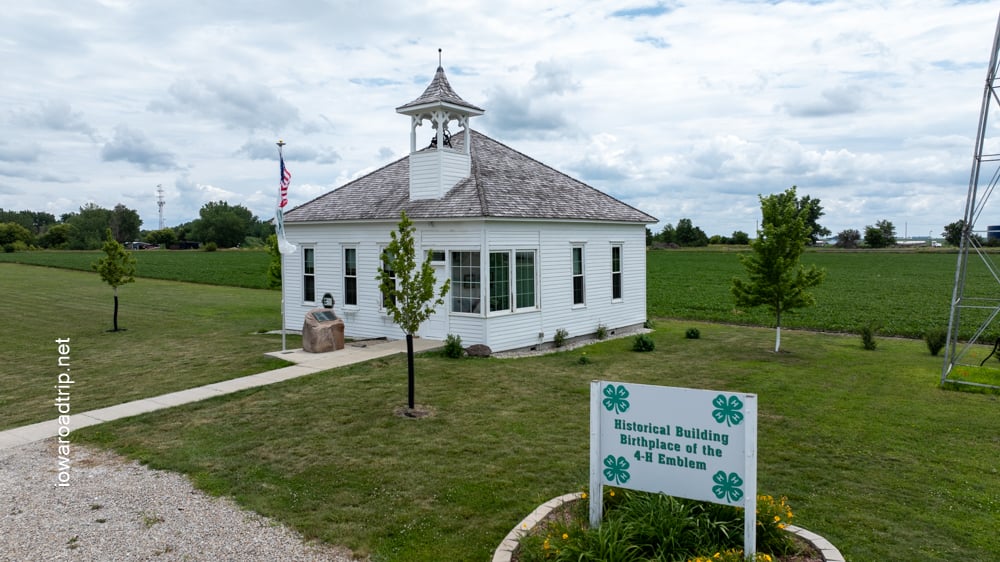
The building was moved to Clarion’s Gazebo Park in 1952 and relocated to the Heartland Museum complex in 2017.
Inside the schoolhouse are traditional desks, 4-H records, memorabilia and uniforms dating from the 1940s through the 1980s. Displays also cover the organization’s history and its connections to the Iowa State Fair.
It is both a look at rural education and the story of an Iowa idea that became part of a nationwide youth organization.
Meet Clarion’s Iowa Hat Lady
Alvina Sellers of Clarion became known as the “Iowa Hat Lady” after building a collection of more than 6,000 hats.
She presented 5,636 programs using the hats and clothing in her collection and even appeared on Late Night with David Letterman.
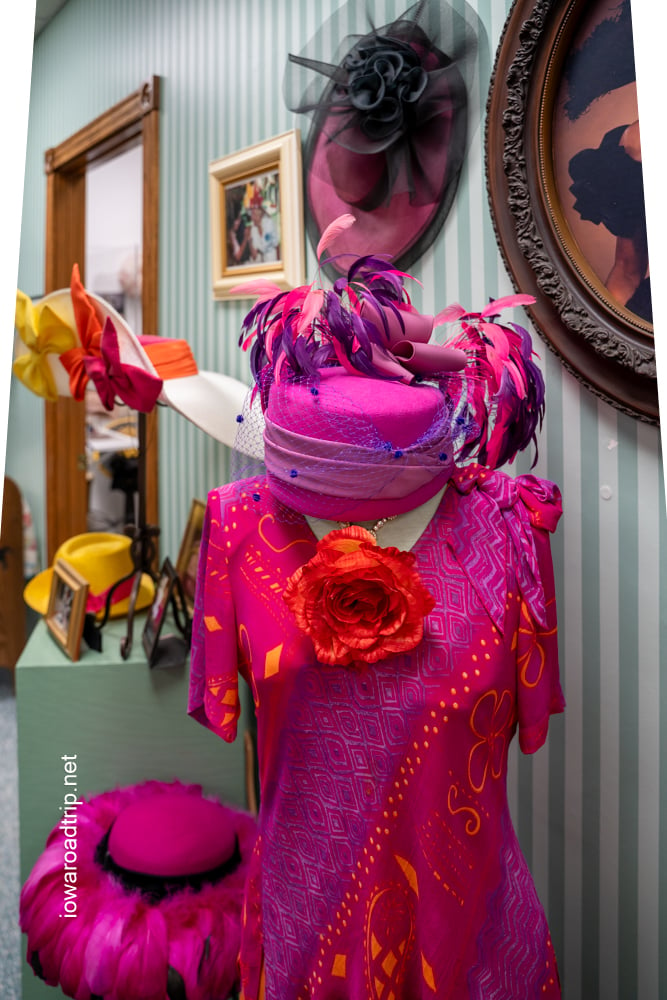
Alvina’s Hat Parlor displays more than 300 hats, along with clothing, personal belongings, photographs and stories from her programs. Video from her appearance with David Letterman is also part of the exhibit.
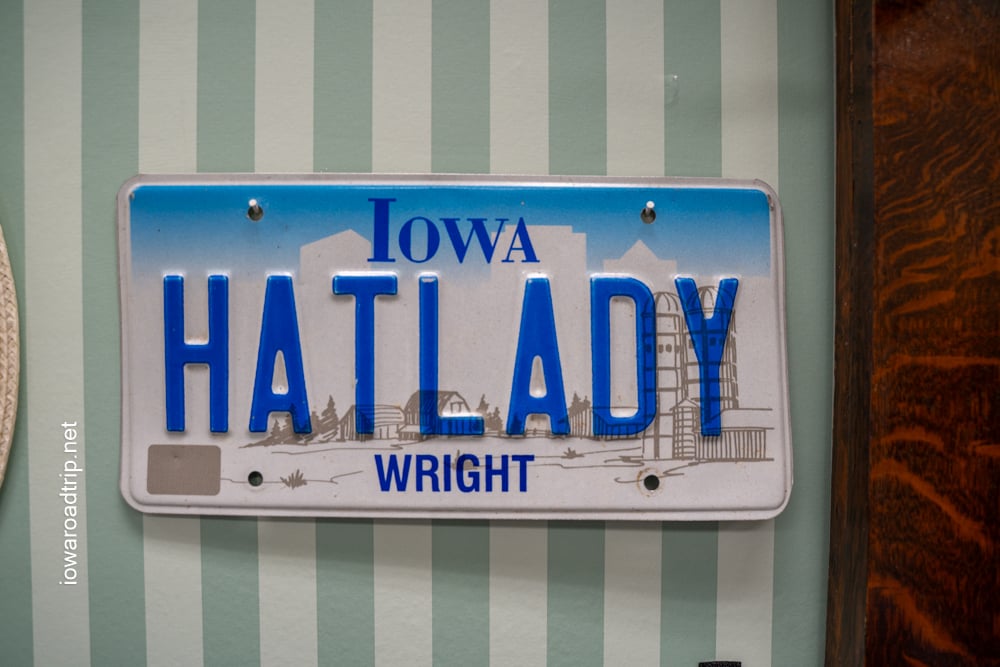
Some of the hats are available for visitors to try on, making this one of the museum’s most colorful and interactive stops.
Explore the Teddy Bear Museum
Another unexpected collection is the museum’s large display of teddy bears.
The collection grew out of a Teddy Bear Reunion first held in Clarion in 1990. Exhibits include teddy bear art, work by local artist Steve Schutt, historical information and prototypes connected to a Smithsonian exhibition.
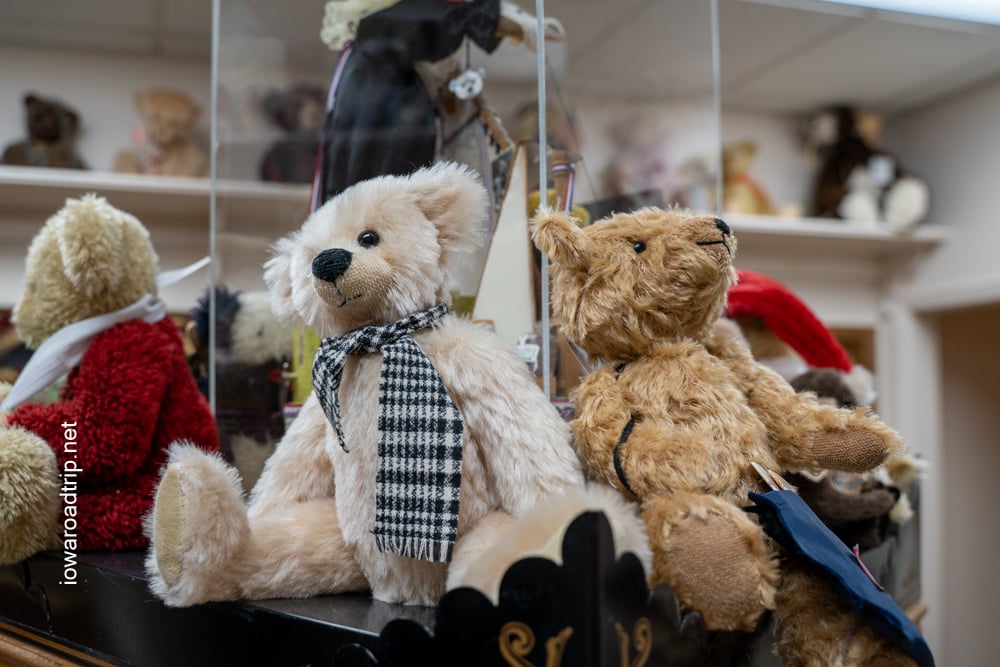
Some bears look like familiar childhood toys. Others are detailed works of art. Either way, it is a fun change of pace after walking through rooms filled with tractors and farm equipment.
Look closely at Dale Feller’s handmade replicas
Wright County resident Dale Feller created more than 150 handmade models of boats, cars, tractors, trucks and other machines during his spare time and retirement.
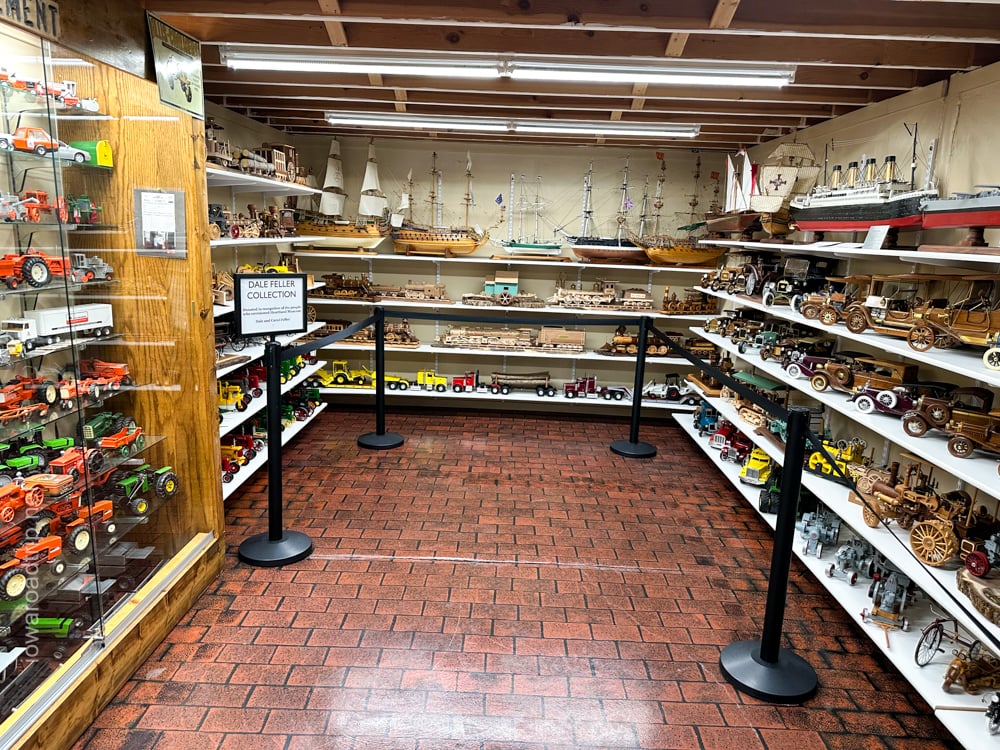
The display is easy to appreciate from a distance, but the craftsmanship becomes more noticeable when you stop and study the individual pieces.
After seeing so much full-size equipment elsewhere in the museum, these miniature handmade versions offer a completely different perspective.
Find the smaller local-history exhibits
Several additional exhibits help tell the broader story of Wright County.
Duty and Honor
This military display recognizes local veterans and contains artifacts representing every branch of the United States Armed Forces. One of its highlights is a scale model of the USS Iowa.
Women who helped settle Wright County
Written displays, videos and QR codes share the stories of women involved in the settlement and development of the county.
Prairie and wildlife
This exhibit looks at the wetlands and prairie that once covered the area, how the land was converted to agriculture and the wildlife connected to the region.
Ice harvesting and railroad history
Displays near Agriculture Hall explain the once-important work of ice harvesting. A working railroad exhibit highlights another part of the transportation system that supported Iowa farms and towns.
These exhibits are smaller than the tractor halls, but they add context to the machinery, storefronts and household objects found throughout the museum.
Check for programs at the Outdoor Learning Center
The Outdoor Learning Center hosts educational programs related to farming, schools and rural life.
Past programs have included horses and harnessing, historic games, old-fashioned household objects and life inside a rural school.
Programming varies, so families interested in a particular activity should contact the museum before visiting.
Is Heartland Museum good for children?
Heartland Museum is a good choice for children who enjoy tractors, toy vehicles, trains, teddy bears or old buildings.
Likely family favorites include:
- Full-size farm machinery
- More than 2,000 collectible models
- The working railroad display
- The one-room schoolhouse
- The teddy bear collection
- Hats that visitors can try on
School-age children will probably get the most from the museum, especially if they are allowed to move between exhibits and spend more time with the collections that catch their attention.
Because this is a large museum with several buildings, families should expect to do plenty of walking.
Accessibility, parking and photography
Parking is free, and wheelchairs are available.
The museum is spread across multiple buildings. Visitors with mobility concerns may want to call ahead and ask about the easiest route through the complex.
Photography is welcome. The tractors, neon signs, recreated storefronts and colorful collections provide plenty of photo opportunities. Some exhibit areas are narrow, so be mindful of other visitors while taking pictures.
Stop at the gift shop
The gift shop is open during regular museum hours, and you do not need to purchase museum admission to shop.
Items include locally made products, books, toys, tractor and teddy bear merchandise, clothing, kitchen goods and Heartland Museum souvenirs.
Who will enjoy Heartland Museum?
Antique tractor enthusiasts are the most obvious audience, but Heartland Museum has a much wider appeal than its machinery collection might suggest.
It is especially worth considering for travelers interested in:
- Iowa agricultural history
- Recreated small-town streets
- Antique signs and advertising
- Farm toys and miniature vehicles
- 4-H history
- One-room schoolhouses
- Teddy bears and unusual collections
- Military and local history
It also works well for a multigenerational outing. Older visitors may recognize items from their own past, while children can focus on the tractors, trains, toys and hands-on displays.
How Heartland Museum came together
Heartland Museum was created through the work of five Wright County organizations that brought their collections together in one location.
That helps explain why the museum covers so much ground. It is not centered around one person, one building or even one type of history.
The exhibits tell stories about farming, transportation, businesses, schools, military service, personal hobbies and everyday family life in north-central Iowa.
Final thoughts
Heartland Museum is much larger and more varied than it appears from the outside.
You may come for the antique tractors, but you will also find recreated Main Streets, miniature farm equipment, teddy bear art, military history, handmade models and a one-room schoolhouse tied to the beginnings of the 4-H emblem.
Arrive before the 2 p.m. admission cutoff and give yourself at least two hours. More importantly, take time to look beyond the biggest machines. Some of the most memorable displays are tucked into the smaller rooms, along the balcony and inside the schoolhouse.
Heartland Museum brings together many different pieces of Iowa history in one stop—and that variety is what makes it worth the drive to Clarion.
The biggest improvement is that the museum now feels like a real place to visit rather than a catalog of exhibits. The details are still there, but the writing has more rhythm, fewer repeated conclusions and a less formulaic section structure.