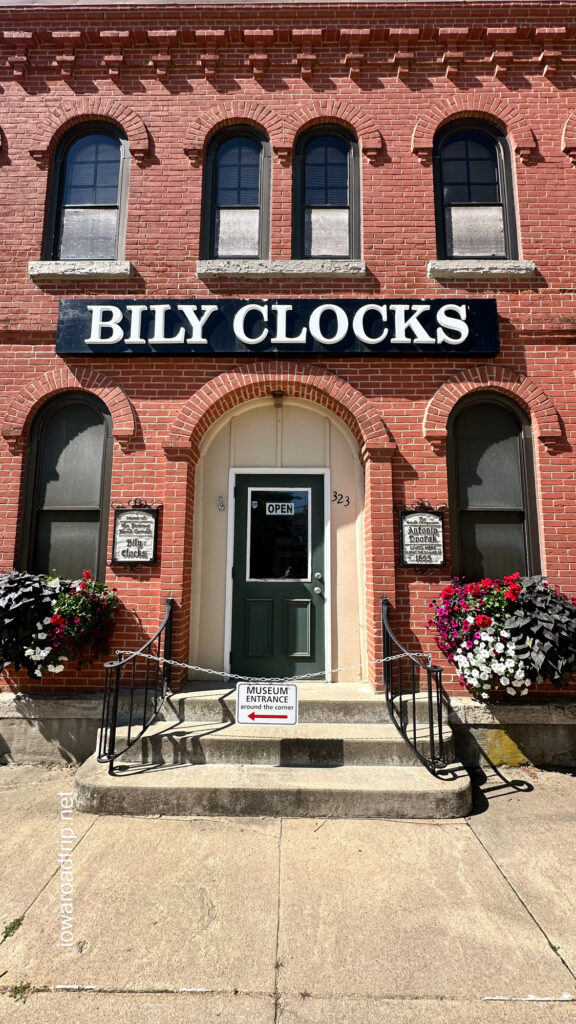
Bily Clock Museum: A Small Town With Big Time Wonders

Spillville may be home to just a few hundred people, but it packs a big punch for visitors interested in history and craftsmanship. This charming town, originally settled by Bohemian (Czech) immigrants, became a creative home to two brothers whose passion for woodworking and clockmaking would leave a legacy cherished by thousands.
How a Hobby Became a Museum
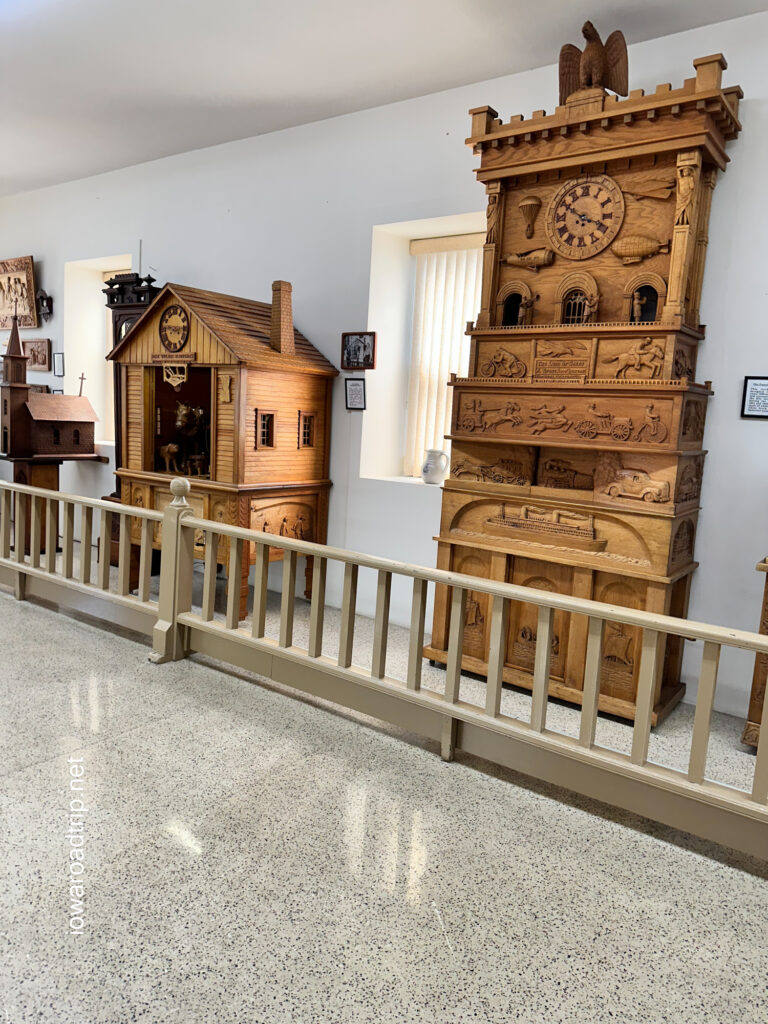
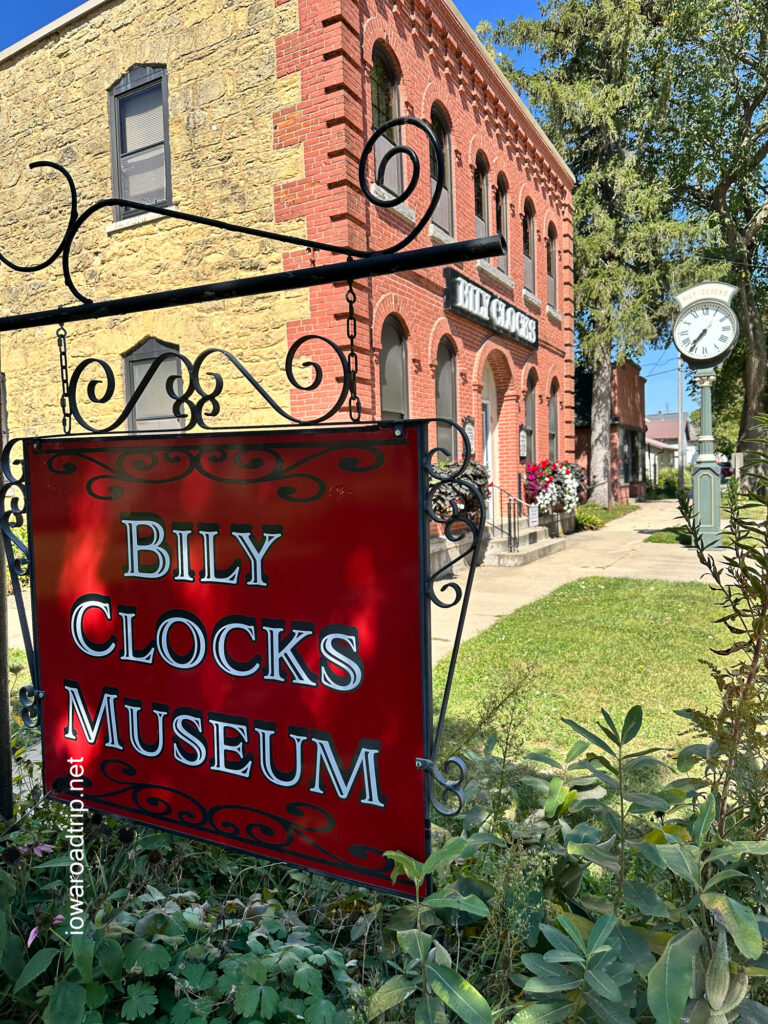
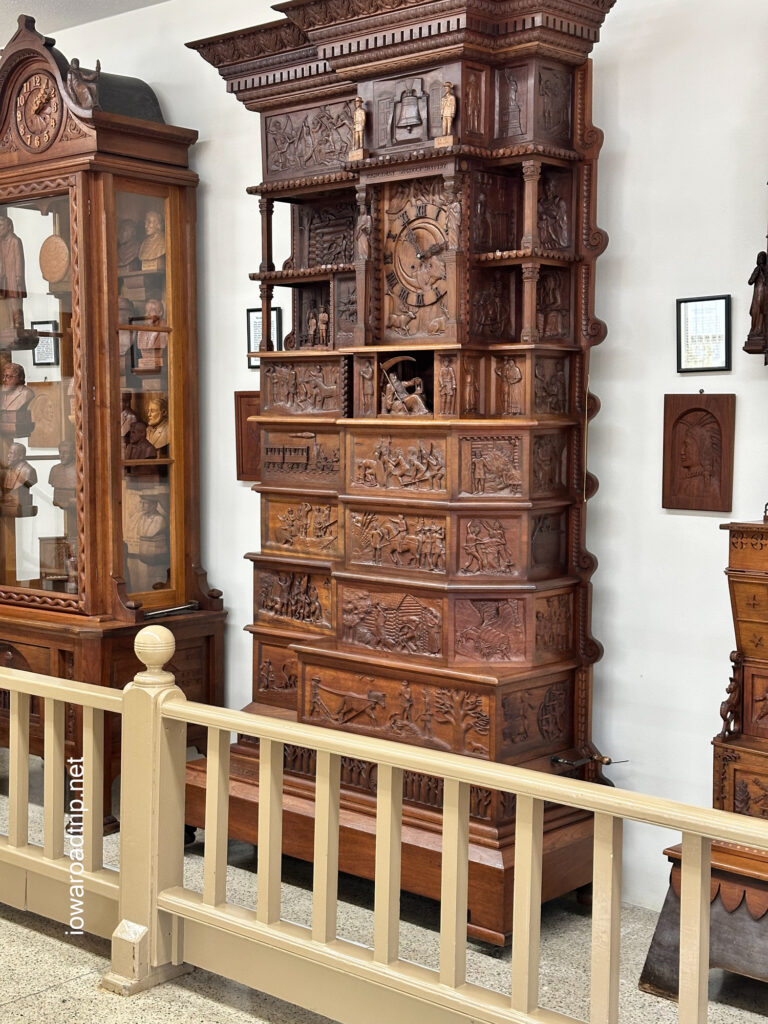
The story begins on a farm outside Spillville with brothers Frank (1884–1965) and Joseph Bily (1880–1964). While working as farmers and carpenters, they took up clockmaking as a hobby during long Iowa winters, carving intricate wooden clocks that became larger and more elaborate over time.
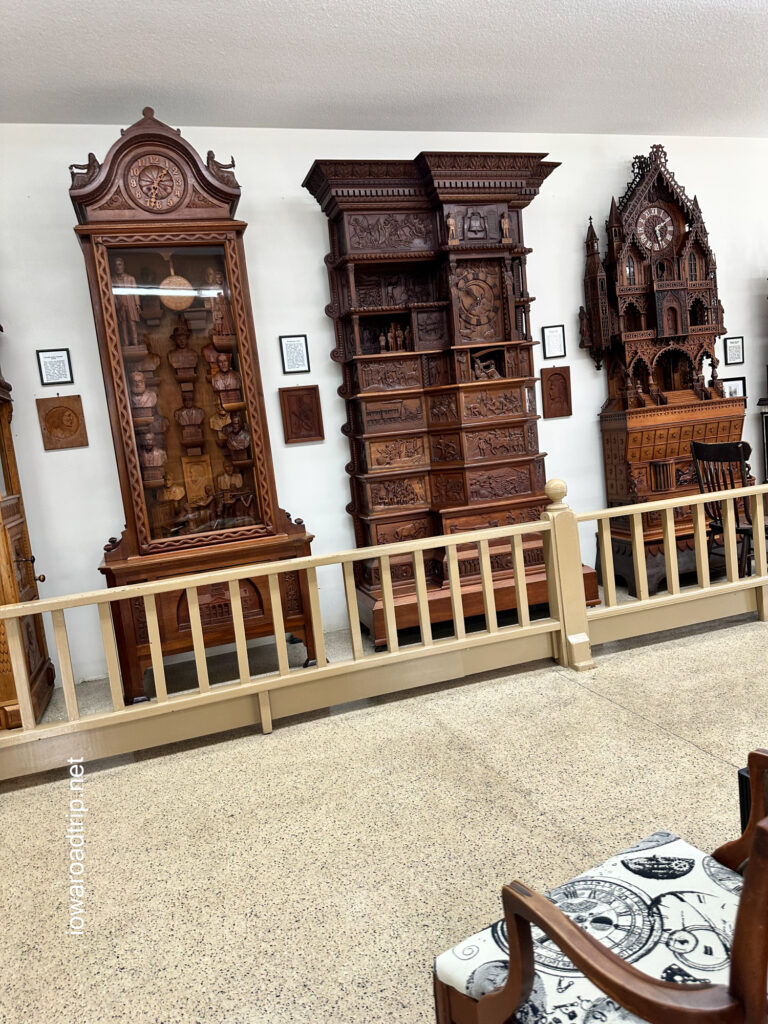
Their earliest clocks date back to 1913, and over the next several decades — roughly 1913 to 1958 — they crafted more than 20 distinctive timepieces, each filled with finely detailed figures and themes drawn from history, religion, and culture.
Some pieces are astonishingly large and complex — for example, the History of Travel Clock, standing over eight feet tall and weighing more than 500 pounds, depicting modes of travel through time.
The brothers never sold their clocks and refused offers — including a reputed million‑dollar offer from Henry Ford of the Ford Motor Company — choosing instead to keep their creations. In 1946, they donated the entire collection to the town of Spillville with the condition that the clocks would always remain there.
More Than Clocks: Dvořák’s Iowa Connection
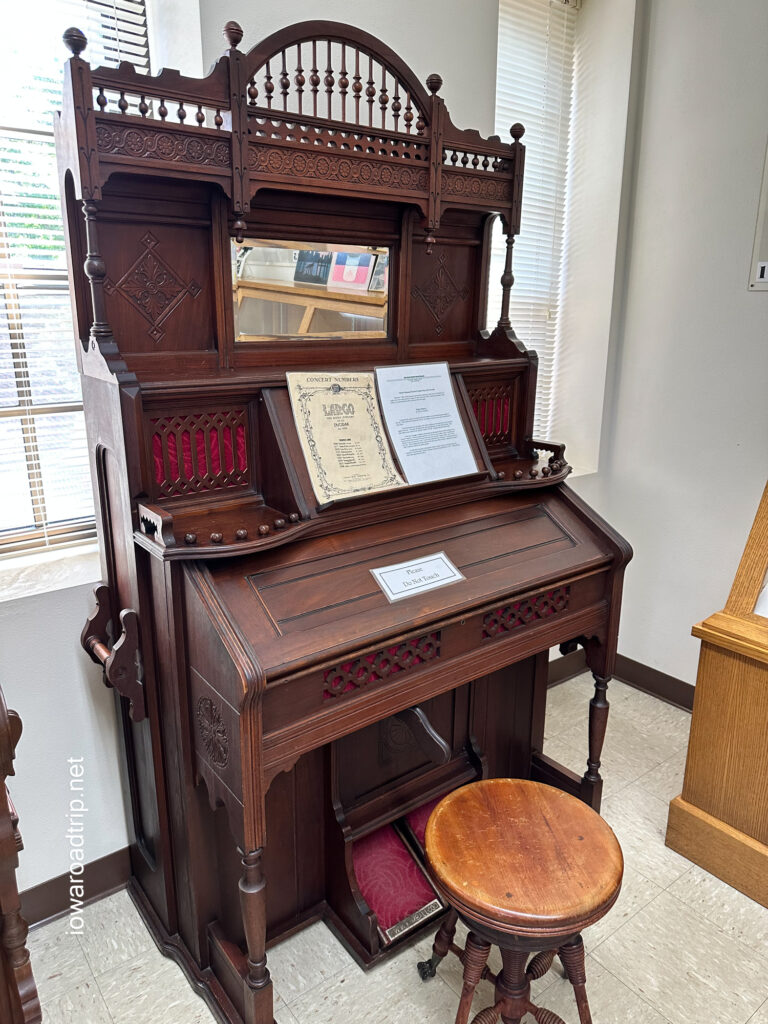
The museum isn’t just clocks — it sits in the very building where Czech composer Antonín Dvořák lived with his family during the summer of 1893. While in Spillville, Dvořák completed parts of his iconic works, including the New World Symphony and chamber pieces inspired by American themes.
Inside the museum, the second floor features an exhibit dedicated to Dvořák’s time in Spillville, including memorabilia and displays about the composer’s life and music.
What You’ll See
Visitors to the Bily Clocks Museum can expect:
- Hand‑carved clocks with astonishing detail and creativity
- Massive showpieces like the American Pioneer History Clock and Apostles’ Parade Clock
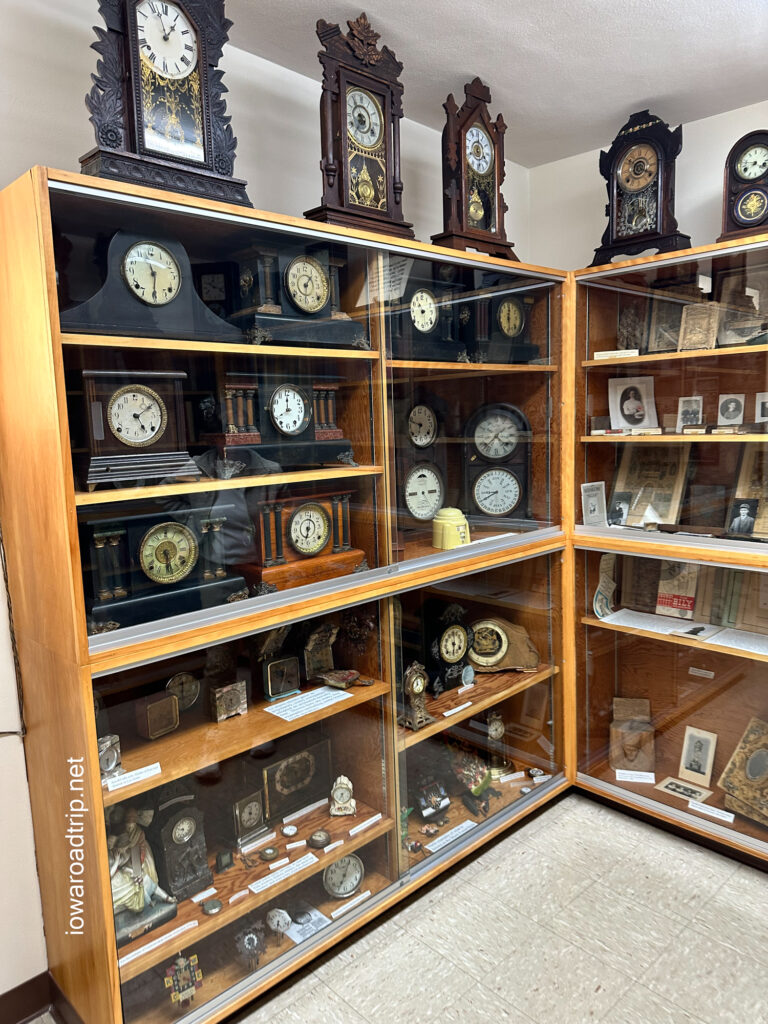
- Displays of tools the Bily brothers used — some made by themselves
- Dvořák exhibits and musical history upstairs
- A chance to learn about local craftsmanship and Czech‑American heritage in Spillville
Planning Your Visit
The Bily Clocks Museum is open seasonally, typically Wednesday through Saturday, 10 a.m.–4 p.m. (with varying hours in shoulder seasons and winter by appointment).
Visitor Tips:
- Consider calling ahead or checking seasonal hours before visiting.
- Take time on the second floor to explore the Dvořák exhibit.
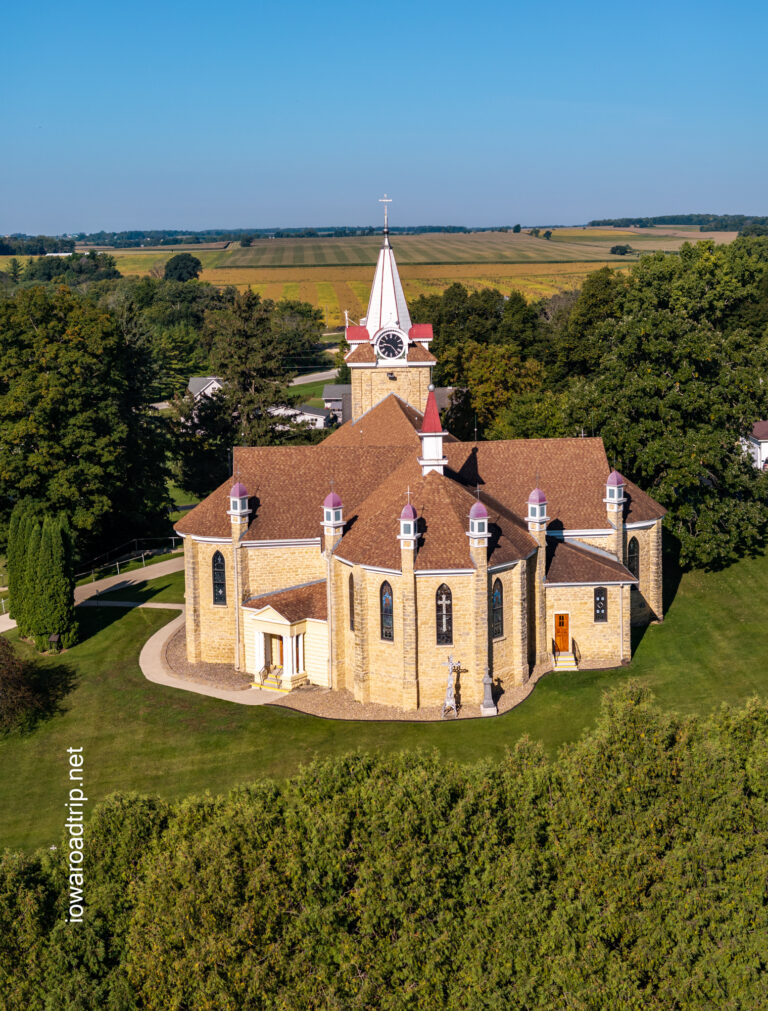
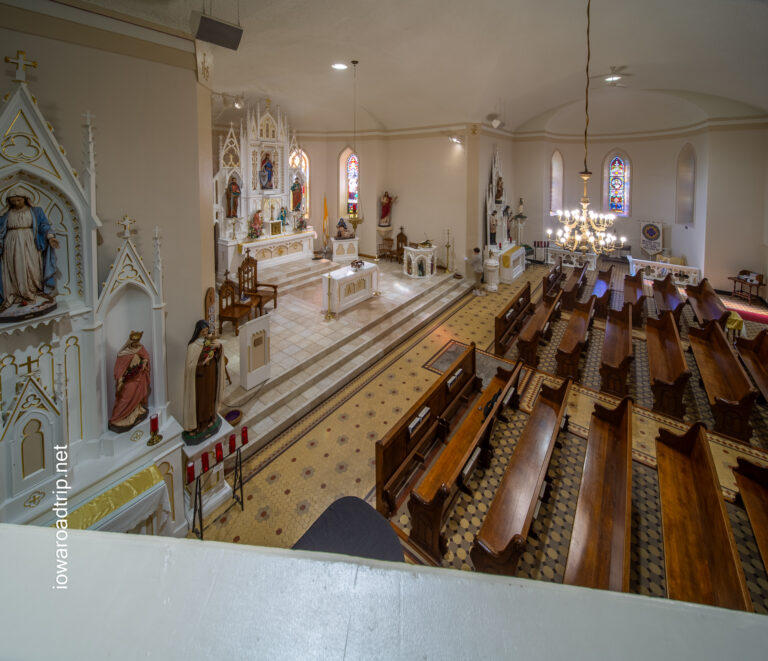
- Pair your visit with historic St. Wenceslaus Catholic Church nearby — a short walk away — and other Spillville stops.
Why It’s Worth the Stop
The Bily Clocks Museum is more than a collection of timepieces — it’s a celebration of human creativity, local history, and cultural pride. From the whimsical and monumental clocks to the story of two brothers who turned a hobby into an enduring legacy, this museum offers visitors a one‑of‑a‑kind experience that captures the heart of small‑town Iowa ingenuity.
Whether you’re curious about folk art, music history, or just looking for a wonderful detour on your Iowa Road Trip, this unique museum is a destination that truly stands the test of time. Pun intended.